Nintendo has fixed a serious security vulnerability in the original Nintendo Switch that could allow attackers within wireless range to execute unauthorized code. The flaw, identified as CVE-2026-82079, affects console firmware versions older than 23.0.0 and involves a buffer overflow in the local wireless networking stack. In certain scenarios, this memory corruption issue could enable return-oriented programming (ROP), giving attackers control over some program behavior.
How the Vulnerability Works
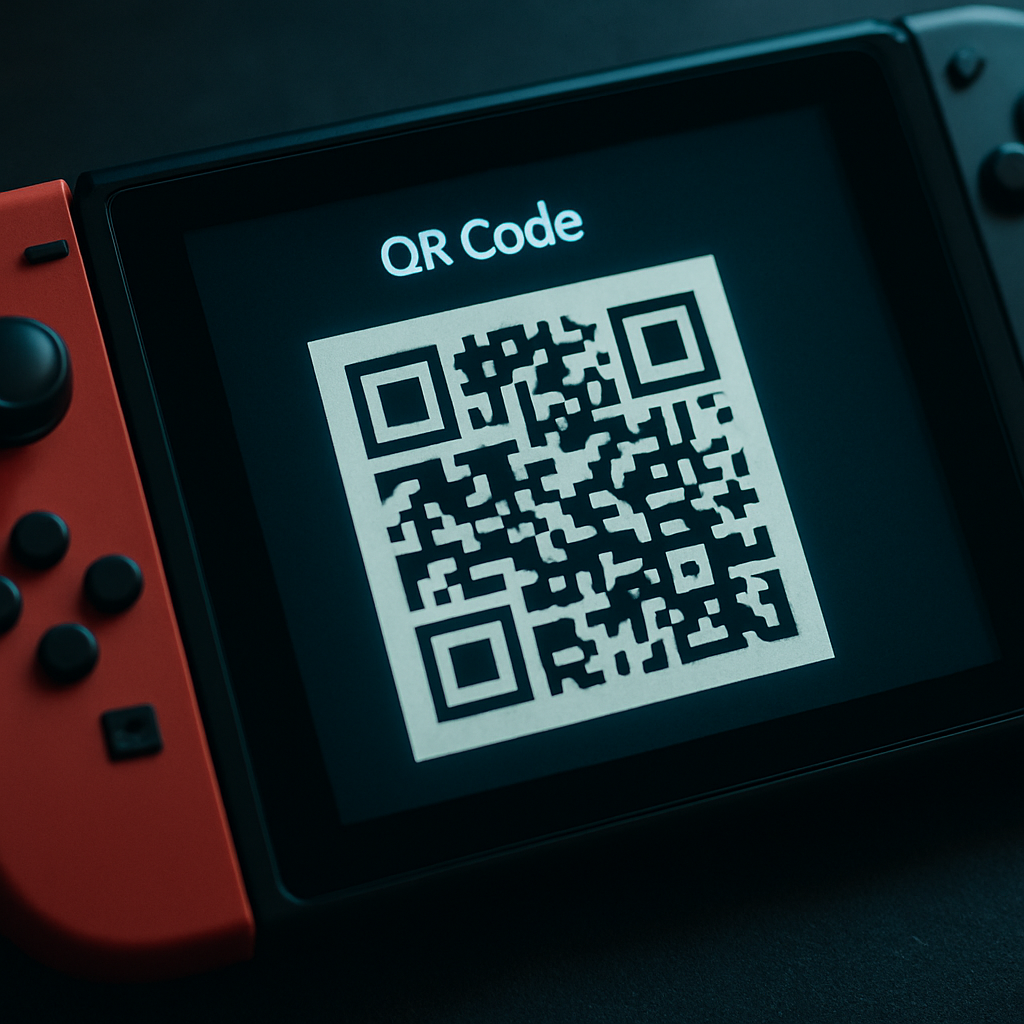
The weakness stems from the Switch handling specially crafted network traffic in local wireless mode. Specifically, it exists in workflows that rely on a QR code scan to connect devices—such as when using the Album’s “Send to Smartphone” feature or the same feature tied to Mario Kart Live: Home Circuit. Once an attacker’s device is part of the console’s temporary wireless connection and sends malformed packets, the system’s stack memory can be corrupted, paving the way for execution of arbitrary operations.
Risk, Impact, and Scope
Nintendo rates the issue as high-severity, with a CVSS 4.0 base score of 7.0. It requires close proximity, no special privileges, and only passive interaction from victims (i.e. scanning a visible QR code). Even so, successful exploits could lead to compromise of system integrity, confidentiality, and availability.
The probability of this vulnerability being exploited in the wild is calculated at roughly 0.16% over the next 30 days by EPSS metrics. That’s low, but the presence of a patch makes the risk largely manageable. Only original Switch models are affected; the newer Switch 2 is not vulnerable.
What Users Should Do
Nintendo’s advisory, first released on September 10, 2026, urges owners of original Switch consoles to update to firmware version 23.0.0 immediately. To check your firmware, access System Settings from the HOME menu, navigate to System, and view the version number. If updates don’t happen automatically, users can initiate them manually.
For those who can’t patch right away, Nintendo recommends avoiding risky features: don’t allow others to scan QR codes from your device or TV, use only trusted phones when using Album transfers, and steer clear of unknown Mario Kart Live karts.
What This Means for Console Security
This vulnerability underscores the challenges of securing local wireless communication in consumer devices. Even small features like QR-based transfers or temporary wireless modes can become attack vectors if crafted traffic isn’t carefully validated. The fact that the newer Switch hardware is not vulnerable shows the importance of security improvements in later designs.
Given the relatively low exploitation probability but high potential impact, this issue should serve as a reminder that firmware updates aren’t optional—they’re essential. Gamers who delay updating leave themselves exposed, especially in public or densely populated areas where wireless attacks are feasible. Keeping your Switch up to date, limiting exposure by controlling QR code visibility, and trusting only your own devices are concrete actions that can help secure your console.