Apple is set to launch two major wearables this week during its iPhone event: the new Apple Watch Ultra 4 and Apple Watch Series 12. Both models are projected to offer upgrades in power, health tracking, and design—without a full overhaul.
Faster chips, better health sensors
The Ultra 4 and Series 12 are expected to ditch the current S10 chip. Early reports suggest Apple will switch in a faster successor—likely named S11—to keep up with rising demands, especially since watchOS 27 adds more AI-powered Siri features. Performance has remained mostly unchanged since 2023, so this chip bump could be a critical update.
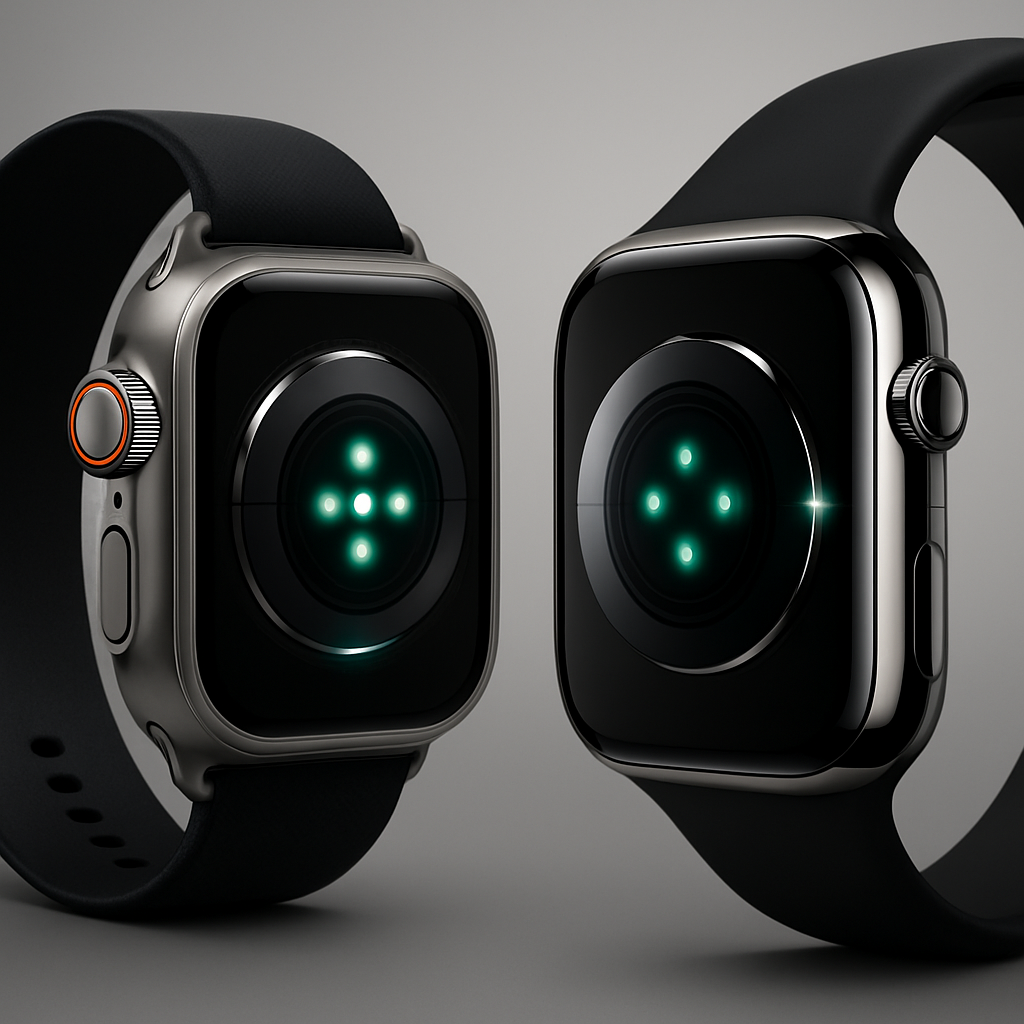
Health tracking is getting attention, too. Ultra 4 may include up to twice as many sensors as previous models, enabling more accurate readings and potentially adding features like blood pressure alerts. It’s been almost a year since hypertension notifications were introduced, and the FDA is reportedly reviewing a new high blood pressure notification system that may debut alongside these watches. A new always-on heart rate sensor is also expected to make its way into both Ultra 4 and Series 12.
Design tweaks, not total redesigns
While some rumors claim a major redesign is incoming for the Ultra line, insider sources believe substantial styling changes are unlikely until next year. However, one throwback option that’s reportedly returning is the ceramic case—marking a high-end material revival for those who prefer premium finishes.
Because performance and health are being emphasized, features like battery life may also see indirect improvements, though no definitive info on battery upgrades has surfaced yet. More surprises could still be reserved for Apple’s official announcement Wednesday.
This week’s event may not completely reinvent the Apple Watch, but the Ultra 4 and Series 12 are shaping up to be strong evolutions. Upgraded processing power, enhanced sensors, and the return of luxury materials could make these models the most capable yet. What to watch: how much faster the new chip truly is, how reliable the new health sensors perform, and whether the design refinements go beyond what the leaks suggest.