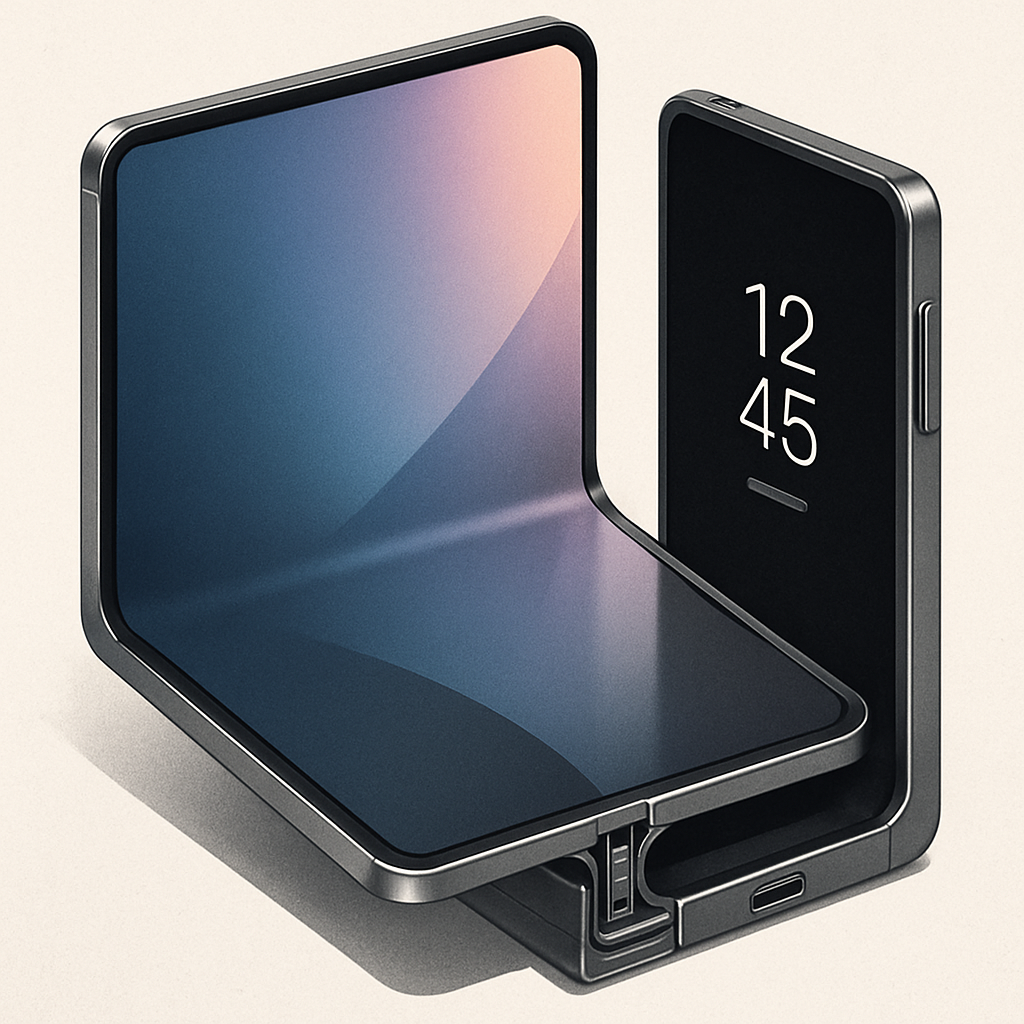
After years of internal debate and engineering challenges, Apple is finally poised to release its first foldable iPhone. New reports detail its development history, design compromises, specs, and what it could cost—hinting at a premium device price tag that reflects both ambition and complexity.
From Concept to Product: A Years-long Journey
Apple’s foldable journey began well before its Asian rivals made waves—engineering teams were quietly studying hinge mechanisms, display technology, and flexible materials as far back as before the first Galaxy Fold in 2019. But around 2020, after witnessing stronger foldable phone adoption in Asia, then-CEO Tim Cook reportedly pushed the company to accelerate its efforts and commit to building a flagship foldable device rather than a tablet-style experiment.
Early in development, one pitch involved creating an iPad mini that could expand into a larger display when unfolded. Ultimately, however, Apple decided its first foldable should be very much an iPhone—a phone that folds—and Cook’s involvement was unusually hands-on. Hardware leaders like Dan Riccio (formerly) and John Ternus played central roles in determining challenges: hiding display creases, securing a reliable hinge system, crafting robust flexible cover glass, and incorporating under-display camera tech.
Design, Specs, and Pricing: What to Expect
When folded, the new device sports a 5.5-inch outer display; when opened, its inner screen spans 7.8 inches. Apple opted for a wide, short form factor—when shut, it’s likened to a passport; when open, it resembles a Magic Trackpad in shape. Its hinge is built from a titanium and aluminum mix, while Corning helped develop the flexible cover glass for durability and optical clarity.
Apple engineers concede the foldable won’t match traditional iPhones in every respect. It may lag behind in camera capability, battery life, and perhaps robustness, but the company believes its software and craftsmanship will offset some of those gaps. There is confidence internally that demand will outpace supply—if they can make enough, employees expect strong adoption by customers intrigued by the novelty and utility.
On price, Apple originally aimed to launch below a potentially controversial $2,000 threshold, with a target opening price of about $1,999 USD. However, due to global memory shortages and premium component costs, some configurations—especially with higher storage—could push the street price close to $3,000.
Strategic Significance and Leadership
This project arrived during a shift in leadership and hardware philosophy. Dan Riccio initiated much of the foldable design work, but John Ternus has been credited with pushing the final product to completion. Cook’s early directive seems to have shaped Apple’s timeline and priorities. The project reportedly covered several years and navigated multiple form factor ideas before landing on this final design.
Engineering challenges were steep: reducing crease visibility, building a durable hinge, creating new flexible glass, and integrating under-display camera tech were all areas that delayed or complicated progress. The choice of materials—Corning glass, titanium hinges—reflect Apple’s intent to lead in premium quality in the foldable sector.
Apple is expected to unveil this foldable iPhone officially at its event tomorrow, with what’s been dubbed a “Surprise and Shine” launch. While we now have a clearer view of what Apple has built—a short, wide foldable phone with high-end materials and elevated pricing—many details such as final durability claims, camera specs, battery life, and available configurations remain to be confirmed at the keynote.
What this means: The foldable iPhone appears positioned as a halo product—expensive, luxurious, and cutting-edge. Its success could redefine Apple’s hardware portfolio or it might signal frailties if consumers balk at price or durability. In a market where Samsung and Huawei have had both breakthroughs and missteps, Apple is betting that its ability to blend superior hardware, premium materials, and mature software will make this device more appealing despite its trade-offs. Watch the launch event to see how Apple prices it globally, whether AppleCare warranties reflect its risks, and how software support compensates for its weaker camera or battery. The stakes are high—Apple’s foldable could either be its next big leap or lesson.