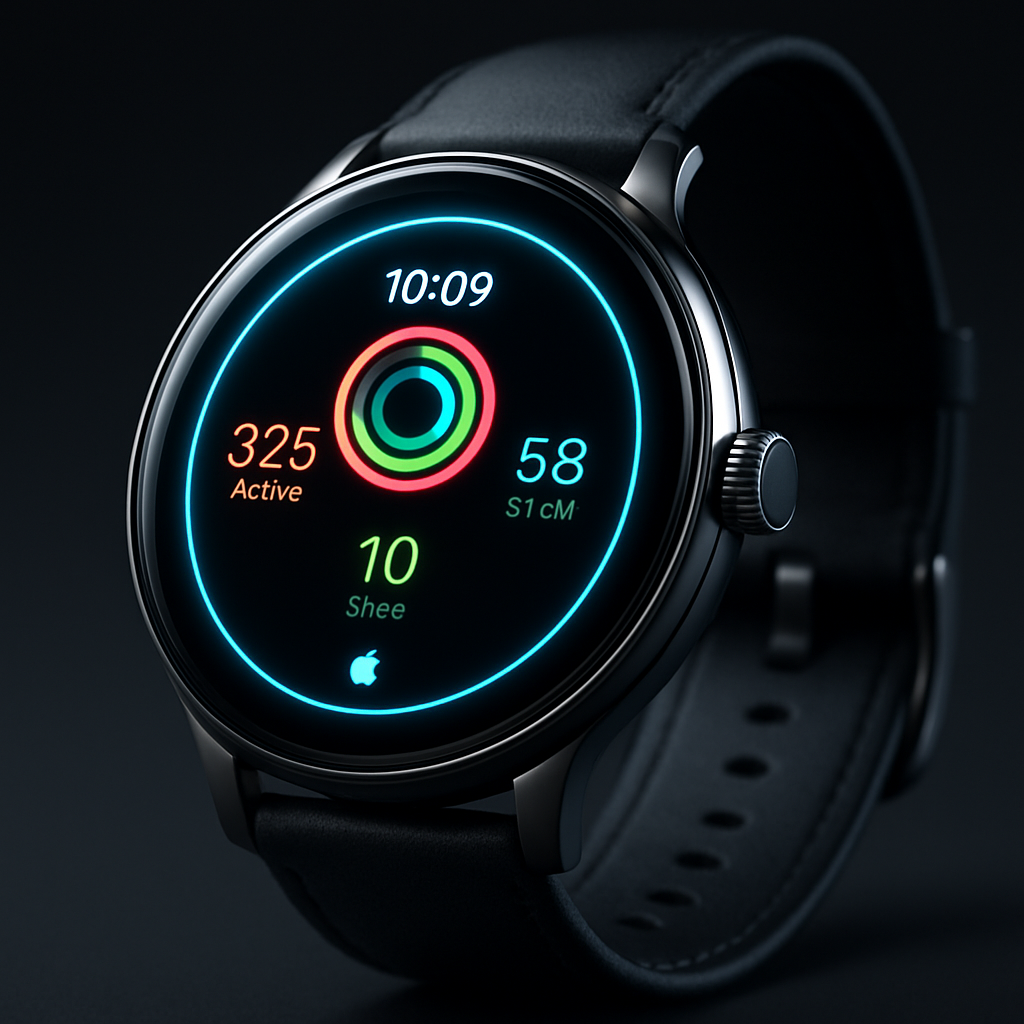
Apple is reportedly rethinking the Apple Watch’s long-standing square display format, with sources revealing the company is seriously considering a circular screen for future models. This design exploration is part of a broader push to diversify its smartwatch lineup and respond to changing trends in wearable tech.
Why Apple Is Rethinking the Apple Watch
Since its debut in 2015, the Apple Watch has used a square or rectangular screen—an aesthetic and functional choice that’s defined its identity. But now Apple’s industrial design team is said to be evaluating “several different directions,” including display shapes and sizes, potentially breaking from that tradition. The shift comes amid rising competition from screenless fitness bands and smart rings, which emphasize a lighter, more minimalist wearable experience. One of the ideas under consideration is a round display, according to recent reports.
Models, Materials, and Market Strategy
While a circular Apple Watch isn’t confirmed to be in development for near-term release, the rumor comes alongside whispers of other updates: Apple is exploring premium models across and above its Ultra and Hermès lines, as well as more affordable versions beyond the current SE. A ceramic Apple Watch may arrive this year or next, promising enhanced durability and design refinement. New colors, bands, and health and fitness features are also expected.
This wave of design innovation seems tied to Apple’s upcoming “Surprise and Shine” event, scheduled for September 9, where Series 12 and Ultra 4 models are expected to be announced. Other anticipated rollouts include the iPhone 18 Pro and a foldable iPhone. The square design for current Apple Watches is largely staying the same in these next models, making any circular design change a longer-term possibility rather than an immediate one.
Circular smartwatches are not unprecedented; brands like Google already offer round-faced models. The design offers a more classic watch look and could draw in users who find square or rectangular faces less appealing. But it’s still an open question whether Apple believes this change would sway significant numbers of new customers to its platform.
In essence, Apple is eyeing a transformation of its smartwatch identity—rethinking design norms in response to competition and evolving customer preferences. Whether the circular display becomes reality or remains one of several possibilities depends on internal development and consumer response.
Ultimately, if Apple decides to move forward with a round-display Apple Watch, it could represent one of the most significant design shifts in the product’s history. It underscores the pressure to innovate not just with hardware specs, but with aesthetics and form factors. What to watch for next: patent filings, mockups, or early prototypes—and whether this change aligns with broader trends toward lighter, more fashion-forward wearables.
This potential redesign carries implications far beyond screen shape. If successful, it could reposition the Apple Watch in a more fashion-oriented space, blending smart technology with classic watch design. Observers should keep an eye on Apple’s upcoming announcements for hints—any move toward circular displays, premium materials like ceramic, or expanded model tiers may signal the company’s next strategic direction in wearable tech.