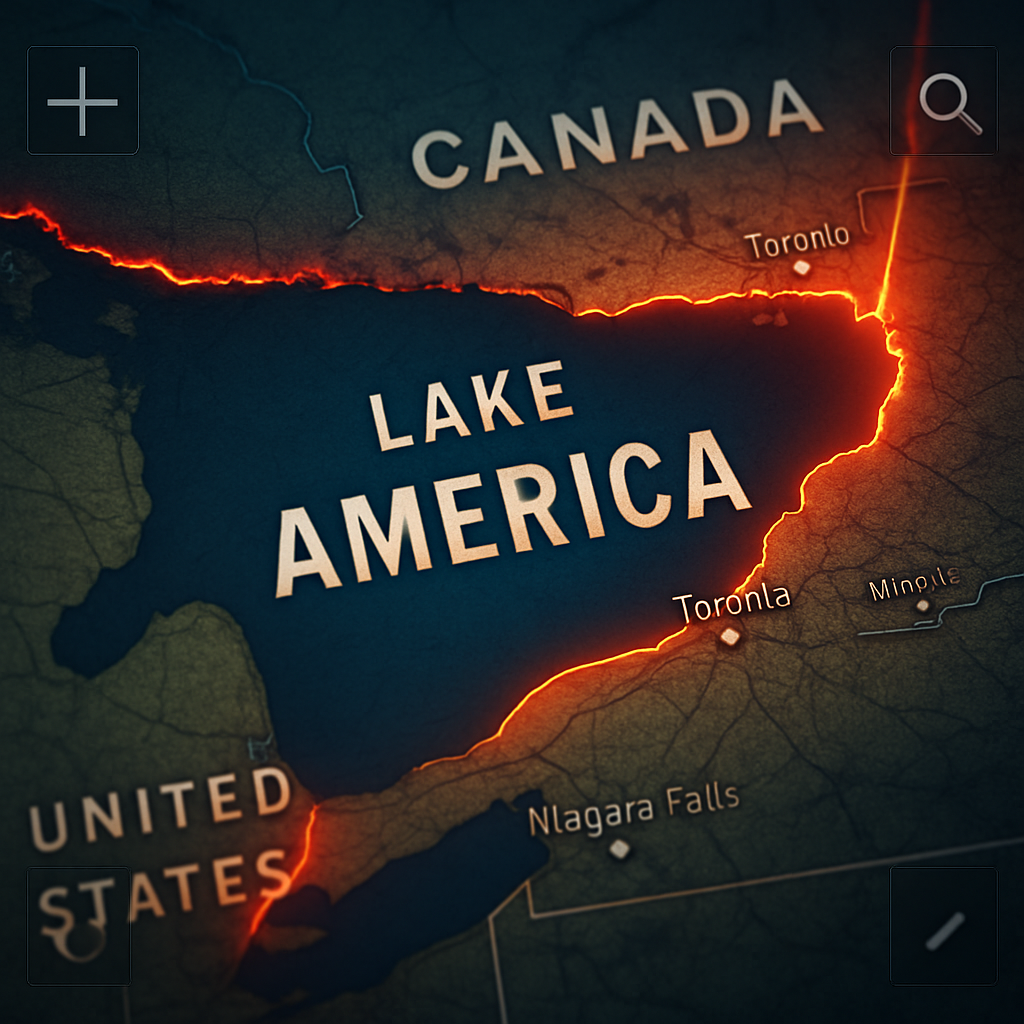
Apple has updated its Apple Maps service to rename Lake Ontario as “Lake America” for users in the United States, aligning with Google’s recent change. This move follows an August 27 executive order from President Trump, which directed the Interior Department to alter the lake’s name in U.S. government databases within thirty days. Users in Canada will still see “Lake Ontario,” while users outside both the U.S. and Canada will see both names.
Where the Name Change Came From
President Trump’s directive cited the lake’s economic importance and patriotic symbolism, ordering it to be officially renamed “Lake America.” The executive order instructed that the U.S. Geographic Names Information System (GNIS) and other federal records reflect the new name. Google had already updated its Maps offering in line with this change, explaining that its service reflects official government naming sources such as the GNIS.
Different Responses from Mapping Services
Not all mapping platforms have gone along. MapQuest, for example, announced it will continue using “Lake Ontario,” opting not to adopt the new name. The company also declined to rename the Gulf of Mexico to “Gulf of America” after last year’s order.
The debate over the name change has had a real consumer impact: MapQuest surged to the top of the U.S. App Store’s navigation category, beating even ChatGPT, amid renewed user interest from those opposed to the renaming. In Google’s Play Store, it also climbed into the top six across all apps and games. The mapping service has used its newfound visibility to highlight its decision not to adopt the change.
Apple has not publicly commented on its policy rationale, though its actions mirror Google’s. Outside the U.S., full dual-name displays continue: both “Lake America” and “Lake Ontario” appear for users in other countries.
Background: Lake Ontario is one of the five Great Lakes shared between the U.S. and Canada. Changes to geographical names like these—especially when ordered at the federal level—have become politically and diplomatically charged. This is not the first time mapping services have adapted names due to executive orders: for example, the “Gulf of Mexico” was renamed “Gulf of America” in certain apps last year.
Lasting Implications and What to Watch: This episode underscores how digital platforms are increasingly responsive—or reactive—to political directives. It raises pressing questions about the boundary between official government mandates and platform autonomy. Observers should keep an eye on how Canada responds—particularly whether it presses back diplomatically or through mapping platforms. Within the tech world, how other services decide—MapQuest’s stand suggests resistance is possible—will shape norms around name changes driven by politics and identity. And for consumers, this affair may shift trust in how maps reflect contested realities.