Apple has rolled out the M6 chip with the new Mac mini, and several other Macs and iPads are queued up for that upgrade too. Here’s the latest on when each device is expected to get the M6 processor—and what else may change.
What’s Releasing When
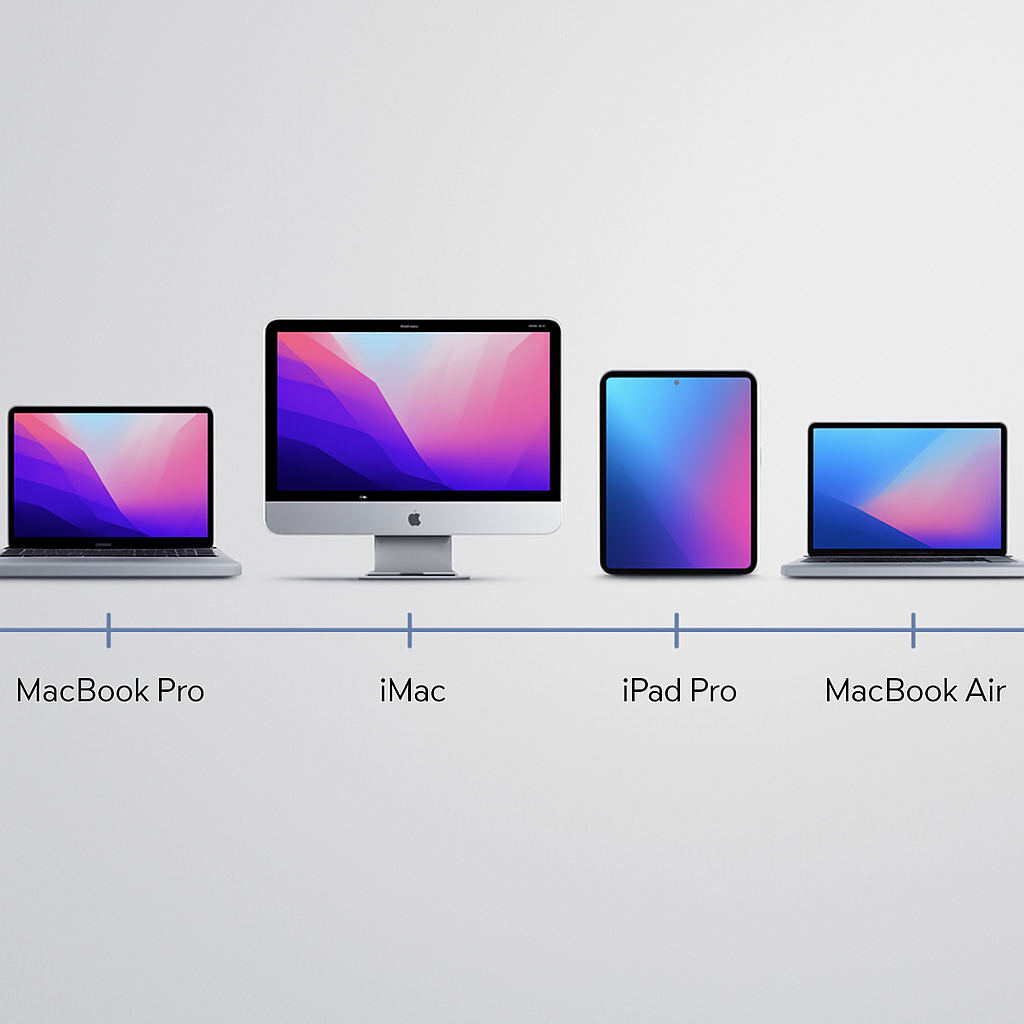
Fall 2026 (Around October): Apple is set to refresh two major Macs with the M6 chip: the 14-inch MacBook Pro base model and a redesigned iMac. The MacBook Pro will skip the M6 Pro and Max variants, holding off those performance tiers until next year’s M7 chips. Meanwhile, the iMac may look almost identical to its predecessor aside from the M6 upgrade and new color options, though the move from M4 to M6 is still likely to be a noticeable performance leap.
Spring 2027: The iPad Pro and MacBook Air are expected to be next in line. The iPad Pro hasn’t seen a major update since late 2025, and its 2027 refresh will likely slot into Apple’s usual cycle. Anticipated additions include a vapor chamber cooling system, which should help sustain higher performance in a slim chassis. The MacBook Air with M6 is also slated for that same spring window—February through April—with March being a strong candidate. But don’t expect big design changes; OLED screens and other visual upgrades are thought to be reserved for 2028.
What’s Not Part of the M6 Wave
Interestingly absent from the M6 roadmap is the much-talked-about MacBook Ultra. That device is still expected to arrive in fall 2026, but instead of adopting M6, it will reportedly run on M5 Pro and M5 Max processors.
Beyond chip upgrades, most of the upcoming products are not expected to see dramatic overhauls. The new iPad Pro and MacBook Air are likely to retain much of their current designs, with improvements focused more on performance, power efficiency, and cooling. Apple claims the M6’s 2-nanometer manufacturing process delivers a big jump in both speed and efficiency.
So when should you expect to upgrade? MacBook Pro 14-inch and iMac in fall; iPad Pro and MacBook Air in spring. Devices like the MacBook Ultra are coming too, just with different chips this time.
What this tells us is Apple is spreading out its M6 expansion—starting with high-performance Macs this fall, before moving into its iPads and lighter notebooks. We’ll be keeping an eye on what the performance benchmarks say and how real the rumored design tweaks end up being.
Analysis: The M6 rollout highlights Apple’s strategy of staggering its chip upgrades. By limiting fall’s release to power devices like the 14-inch MacBook Pro and iMac, Apple is preserving battery-sensitive products like the MacBook Air (and design-heavy models like the iPad Pro) for later—in some sense letting M6’s gains in power efficiency trickle down. For users, that means clear upgrade paths: if you need performance now, the fall wave is compelling; if you can wait, the spring lineup is likely to bring the better overall balance. Watch for what Apple reveals at its fall event—especially around cooling, display, and whether this year’s design tweaks make a meaningful difference.