Pioneer, long known for its CarPlay head units and automotive audio gear, has just stepped into the mainstream iPhone accessory space. The company’s debut collection includes new MagSafe mounts, chargers, and USB-C cables designed for in-car use. This marks Pioneer’s first formal entry into creating accessories built specifically around the iPhone itself.
What’s in the New Gear
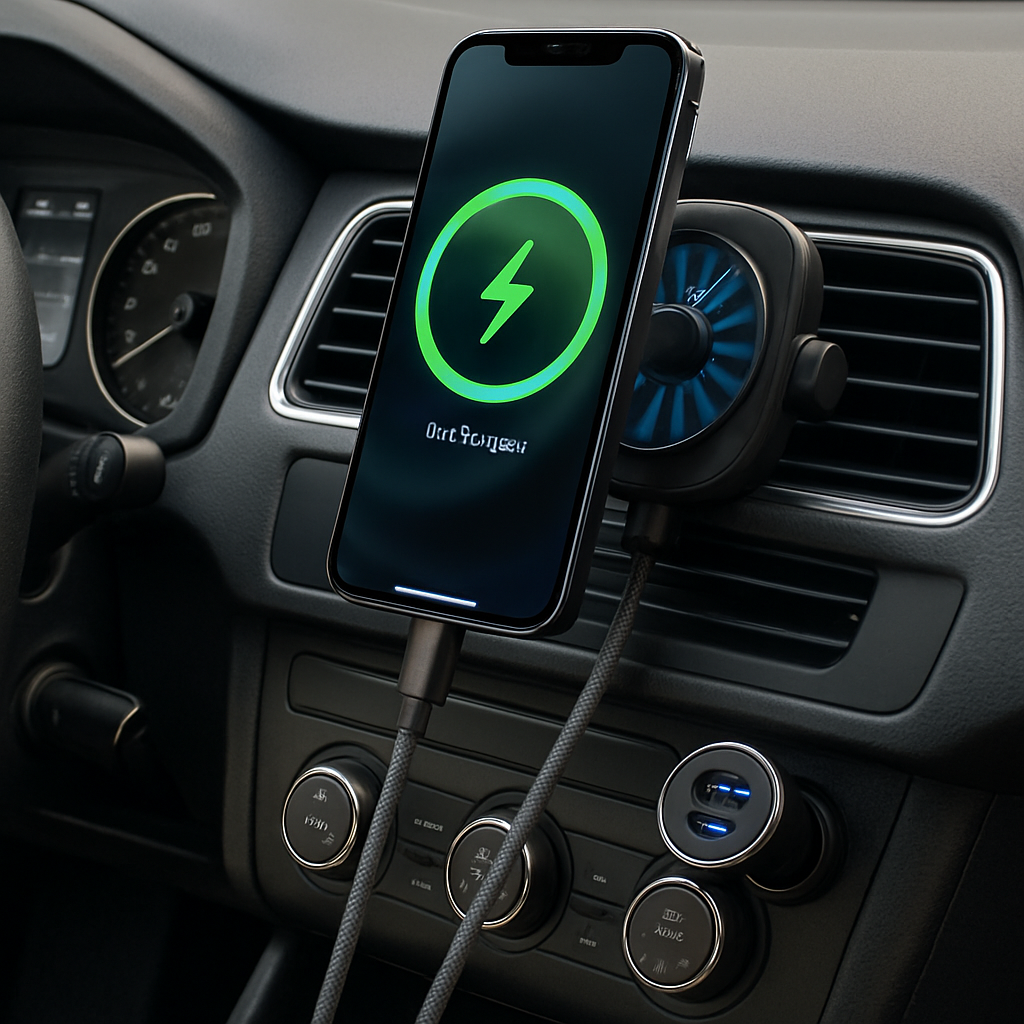
The lineup kicks off with three varieties of MagSafe vent mounts. There’s a basic mount that holds your phone, a version that includes MagSafe wireless charging, and a third model that adds a built-in cooling fan to the wireless charging setup. These give drivers a range of options depending on whether they prefer just mounting, charging, or keeping the device cool during long drives.
Pioneer is also launching a dual-port in-car charger that offers both USB-C and USB-A outputs, letting users power multiple devices at once. Complementing this, there are new USB-C cables in both silicone and braided designs. These cables aren’t just for charging—they support wired CarPlay, ensuring reliable connectivity and power in one package.
Why It Matters
For years, Pioneer has focused on core car audio hardware—speakers, receivers, and CarPlay head units. This expansion into iPhone accessories signals a strategic push to capture more of the mobile-accessory ecosystem. It acknowledges that drivers want seamless, reliable gear in the car—pieces that match Apple’s ecosystem in both form and function.
These accessories are already available through Amazon, meaning Pioneer isn’t waiting on carriers or exclusive retail channels to roll them out. Pricing and availability of individual models vary, so choosing the right mount or cable may depend on your budget and driving style.
What to Watch For Next
Keep an eye on real-world performance—just how effective is the cooling fan under sunlight, how tight are the MagSafe connections, and whether the braided or silicone cables hold up under repeated use. As more brands attempt to bridge the gap between in-car convenience and mobile reliability, Pioneer’s execution here could set a benchmark—or fall short.