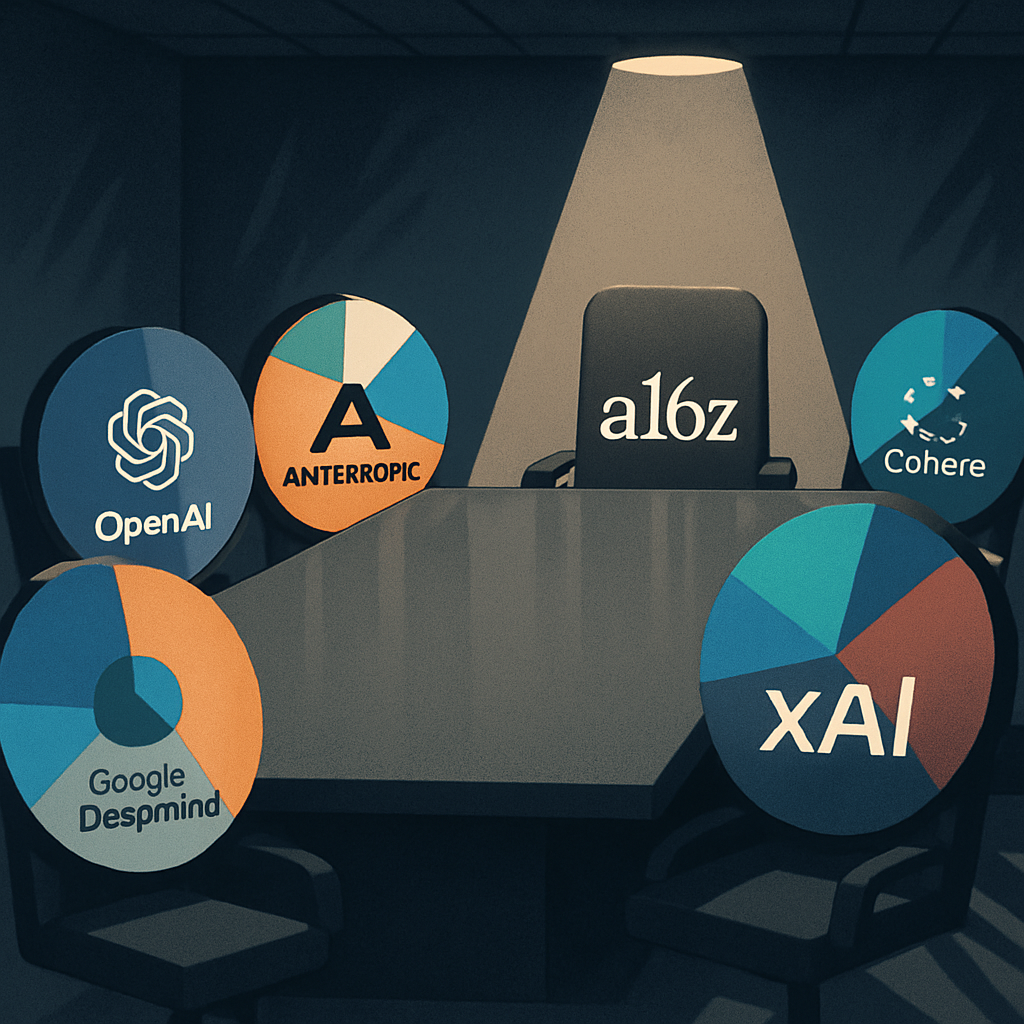
The U.S. Department of Justice is investigating Andreessen Horowitz (a16z) over its practice of holding board seats across companies that compete, particularly in the AI space. The probe, which started under the Trump administration and has been ongoing for nearly a year, zeroes in on potential conflicts of interest as some of a16z’s portfolio companies evolve into rivals. ([techcrunch.com](https://techcrunch.com/2026/08/22/will-the-dojs-investigation-into-a16z-spook-other-vcs/))
Instances cited include Ben Horowitz’s position on Databricks’ board and partner Martin Casado’s role on Fivetran’s board. Problems arise when companies shift strategies or pivot toward AI-related products, creating overlap among firms tied to a single venture capitalist. ([techcrunch.com](https://techcrunch.com/2026/08/22/will-the-dojs-investigation-into-a16z-spook-other-vcs/))
What’s Unusual About the Case
VC conflicts over board appointments aren’t new; long-standing norms discourage sitting on boards of competing startups. But enforcement has been lax. What’s noteworthy is the DOJ’s decision to elevate this issue to a formal investigation, especially for a firm as high profile and politically connected as a16z. ([techcrunch.com](https://techcrunch.com/2026/08/22/will-the-dojs-investigation-into-a16z-spook-other-vcs/))
Andreessen Horowitz has generally been vocal about regulatory shifts—especially under previous administrations—but has remained quiet this time. This contrasts sharply with its past practices, particularly during the Biden years when nearly every crypto-related policy change triggered a public response. ([techcrunch.com](https://techcrunch.com/2026/08/22/will-the-dojs-investigation-into-a16z-spook-other-vcs/))
Potential Consequences for VCs
Sources in the venture capital industry expressed surprise, with many questioning why this issue has become a DOJ priority. The concern is that if a16z becomes a target, other firms—especially smaller ones—might face scrutiny and rethink board seat strategies. ([techcrunch.com](https://techcrunch.com/2026/08/22/will-the-dojs-investigation-into-a16z-spook-other-vcs/))
Because the investigation has dragged on without clear findings or public charges, speculation about bigger issues beneath the surface has increased. Some believe the DOJ may be building a case around more than just board placement—though no specifics have been released. ([techcrunch.com](https://techcrunch.com/2026/08/22/will-the-dojs-investigation-into-a16z-spook-other-vcs/))
Another notable dimension is political: a16z has had close ties with the current administration. Some observers see this case as evidence that antitrust and regulatory actions might not be reserved only for perceived adversaries in the political arena. ([techcrunch.com](https://techcrunch.com/2026/08/22/will-the-dojs-investigation-into-a16z-spook-other-vcs/))
Broader Implications for the Ecosystem
This investigation might act as a signal to the industry. If the DOJ treats board overlap as a serious concern, firms will likely review their own governance structures, disclosures, and potential conflicts. There’s a chance we’ll see more cautious behavior around overlapping board roles and competitive exposures. ([techcrunch.com](https://techcrunch.com/2026/08/22/will-the-dojs-investigation-into-a16z-spook-other-vcs/))
At the same time, since the DOJ has recently shifted away from public company prosecutions and focused more on individual cases, targeting a venture firm like a16z on competitive board seats styles something of a strategic test case. ([techcrunch.com](https://techcrunch.com/2026/08/22/will-the-dojs-investigation-into-a16z-spook-other-vcs/))
What this likely means is that venture firms will be watching closely. Smaller firms in particular may change how they assess risk, how they place partners on boards, and how they react publicly to regulatory pressure. This case could mark a turning point in how VC operates—especially in AI, where product overlaps and pivoting are common. Expect more firms taking preemptive legal and governance steps to avoid similar scrutiny.
Why It Matters
Andreessen Horowitz’s predicament isn’t just about one firm. It touches on how the VC industry handles conflict-of-interest in a rapidly shifting tech landscape. As AI makes startups more likely to compete with each other than ever before, investors straddling multiple boards risk facing real legal exposure. The DOJ’s move could reshuffle norms around board seats, competitive overlap, and disclosure across venture capital. ([techcrunch.com](https://techcrunch.com/2026/08/22/will-the-dojs-investigation-into-a16z-spook-other-vcs/))
Keep an eye on whether this turns into civil or antitrust litigation, and how other VCs respond. Their next moves will reveal whether this is an isolated incident or a harbinger of tighter oversight in VC structuring and governance.