Google recently launched its Pixel 11 lineup, which largely builds on its predecessor, the Pixel 10, with mostly incremental hardware changes. However, one new feature stands out as a significant advancement in camera technology: a more refined way to control photo processing before taking the shot. And yes, Apple should take notice. ([9to5mac.com](https://9to5mac.com/2026/08/22/pixel-11-new-camera-feature-apple-should-copy/))
Introducing “Camera Looks” — Pre-Capture Photo Styles
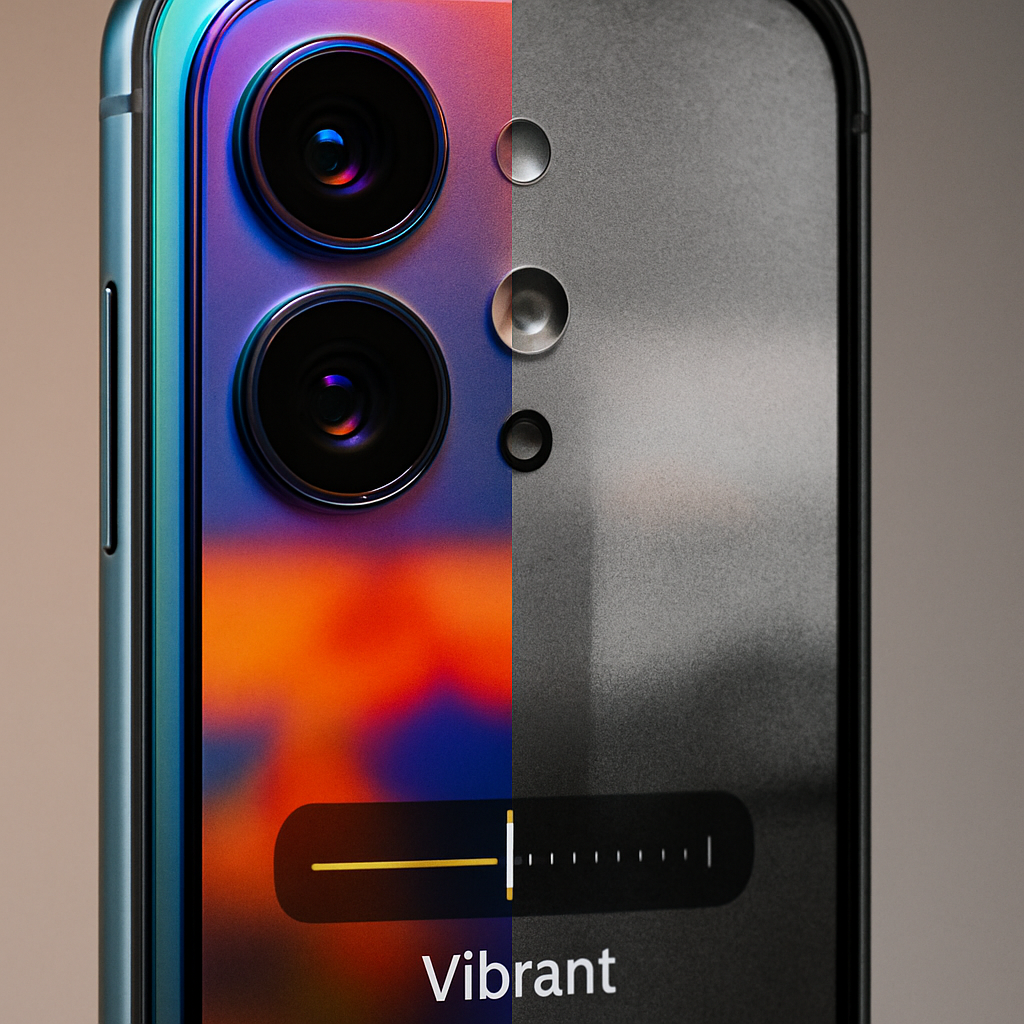
The Pixel 11’s big addition is a feature called “Camera Looks.” It functions similarly to Apple’s Photographic Styles but offers deeper control. Instead of applying adjustments after a photo is taken, Camera Looks lets you customize how images are processed before capture. That means presets like contrast, color tone, and dynamic range are configured ahead of time, shaping the entire photography pipeline. ([9to5mac.com](https://9to5mac.com/2026/08/22/pixel-11-new-camera-feature-apple-should-copy/))
Beyond the standard presets, Google includes new styles dubbed “Editorial,” “Velvet,” “Classic,” “Digi,” “Black Tie,” and “Minimal.” These aim to break away from the typical heavily processed smartphone look. For example, “Digi” mimics older compact digital cameras of the 2010s with low dynamic range, elevated contrast, and a hint of noise. Meanwhile, “Minimal” removes much of the usual image processing—expected HDR adjustments are dialed back or disabled altogether—so the photo reflects more closely what the sensor actually sees. ([9to5mac.com](https://9to5mac.com/2026/08/22/pixel-11-new-camera-feature-apple-should-copy/))
What Apple Offers Now — And What’s Missing
Apple already provides Photographic Styles, allowing users to lean toward cooler or warmer tones, add contrast, or adjust vibrance. There’s also ProRAW mode for greater control over post-capture editing. But these controls happen after a photo is taken, or require deliberate setup before or after shooting. ([9to5mac.com](https://9to5mac.com/2026/08/22/pixel-11-new-camera-feature-apple-should-copy/))
What Apple doesn’t yet do—at least not in the same seamless, pre-capture way—is let users pick from looks like “Minimal,” which intentionally avoids over-processing. These are not merely filters overlaid afterward but global adjustments to the image-scheming pipeline—dynamic range, HDR behavior, noise reduction—all tuned ahead of capture. The Pixel 11’s Camera Looks offers this class of control in a user-friendly way. ([9to5mac.com](https://9to5mac.com/2026/08/22/pixel-11-new-camera-feature-apple-should-copy/))
Why This Matters
In smartphone photography, there’s often a tension between color correction, HDR, and the push for glossy, oversaturated images. Not all users want each photo to look polished or “perfect”—some seek raw authenticity, grain, mood, and atmosphere. Pixel 11’s Camera Looks responds to that by giving photographers a choice in how “processed” their photos feel from the moment they shoot. ([9to5mac.com](https://9to5mac.com/2026/08/22/pixel-11-new-camera-feature-apple-should-copy/))
Apple’s current trajectory—through Photographic Styles and ProRAW—has moved in this direction, but hasn’t yet fully embraced pre-capture flexibility or an intentional style that deliberately holds back on processing. For creatives, visual storytellers, or everyday users concerned about realism, these controls matter. ([9to5mac.com](https://9to5mac.com/2026/08/22/pixel-11-new-camera-feature-apple-should-copy/))
Ultimately, if Apple wants the iPhone to remain the benchmark in photographic versatility, copying—or adapting—Google’s Camera Looks model could make a big difference. Offering a “Minimal” or similar style in Photographic Styles would show that Apple hears users wanting less sheen and more soul in their images.