Cybercriminals are increasingly leveraging sophisticated phishing-as-a-service (PhaaS) platforms to bypass multi-factor authentication (MFA) and hijack Microsoft 365 sessions. One such platform, Mirage2FA, enables attackers to intercept authenticated sessions by positioning themselves between users and legitimate authentication endpoints.
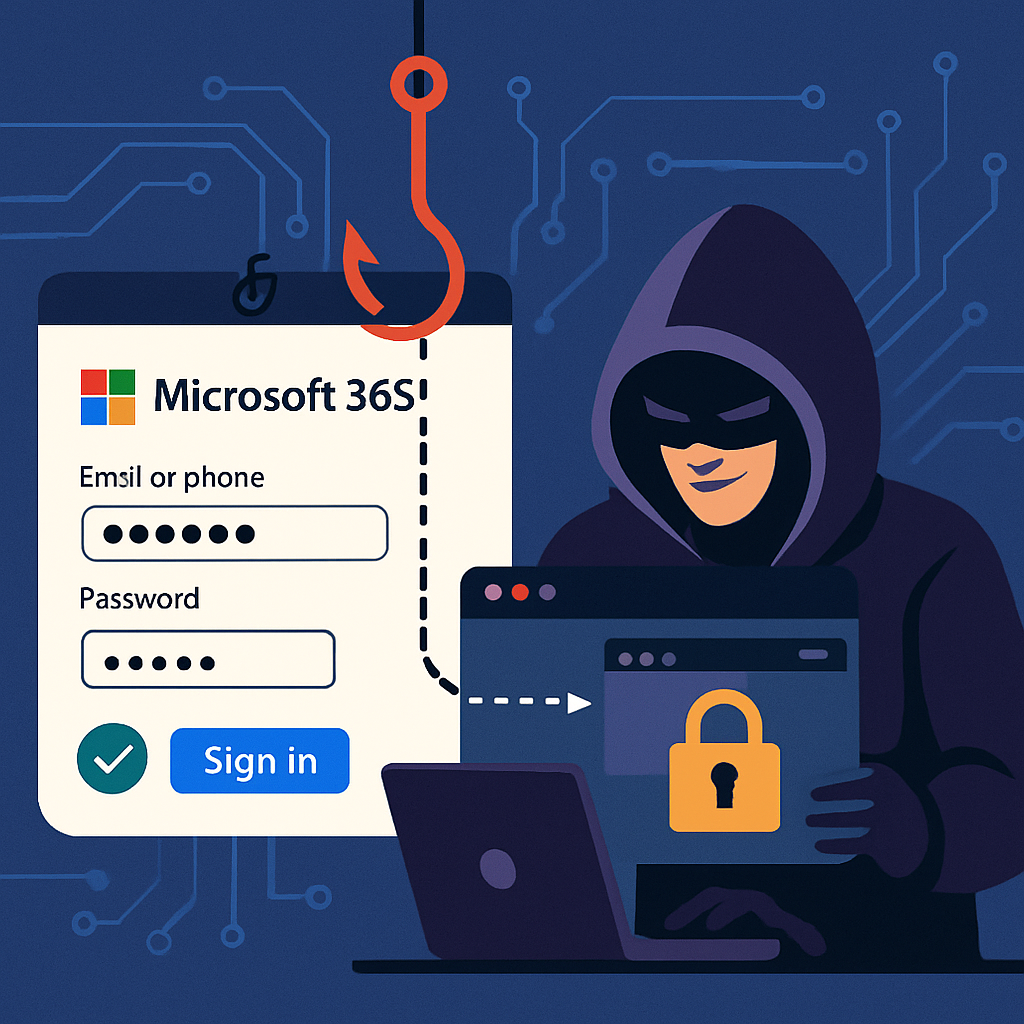
In this attack, users are directed to a counterfeit login portal that closely mimics the genuine Microsoft 365 interface. When victims enter their credentials and complete the MFA process, Mirage2FA proxies this information to the actual Microsoft service. Once authentication is successful, the platform captures the session tokens, granting attackers unauthorized access to user accounts without triggering additional authentication prompts.
Research indicates that from late 2024 through 2026, this method has led to thousands of potential compromises, with a significant number resulting in hijacked session cookies. The technology sector has been particularly targeted, accounting for 19.2% of attacks, followed by manufacturing at 11.1% and education at 9.9%. Geographically, the United States has been the most affected, representing 63.7% of identified victims, with other incidents reported in India, Singapore, the United Kingdom, Canada, Saudi Arabia, and South Africa.
The infection chain operates entirely within the victim’s browser, often initiated through phishing emails containing obfuscated HTML, XHTML, or SVG attachments disguised as corporate communications. These attachments execute scripts that retrieve additional malicious code, facilitating the session hijacking process.
The commoditization of such advanced phishing tools underscores the evolving threat landscape. Organizations must adopt comprehensive security measures, including user education, robust email filtering, and continuous monitoring of authentication logs, to detect and mitigate these sophisticated attacks.
As cybercriminals refine their techniques to circumvent traditional security measures like MFA, it is imperative for organizations to stay vigilant and implement multi-layered defense strategies. Regularly updating security protocols and educating employees about emerging threats can significantly reduce the risk of such attacks.