Apple Releases iOS 26.4.2 to Address Critical Notification Security Flaw
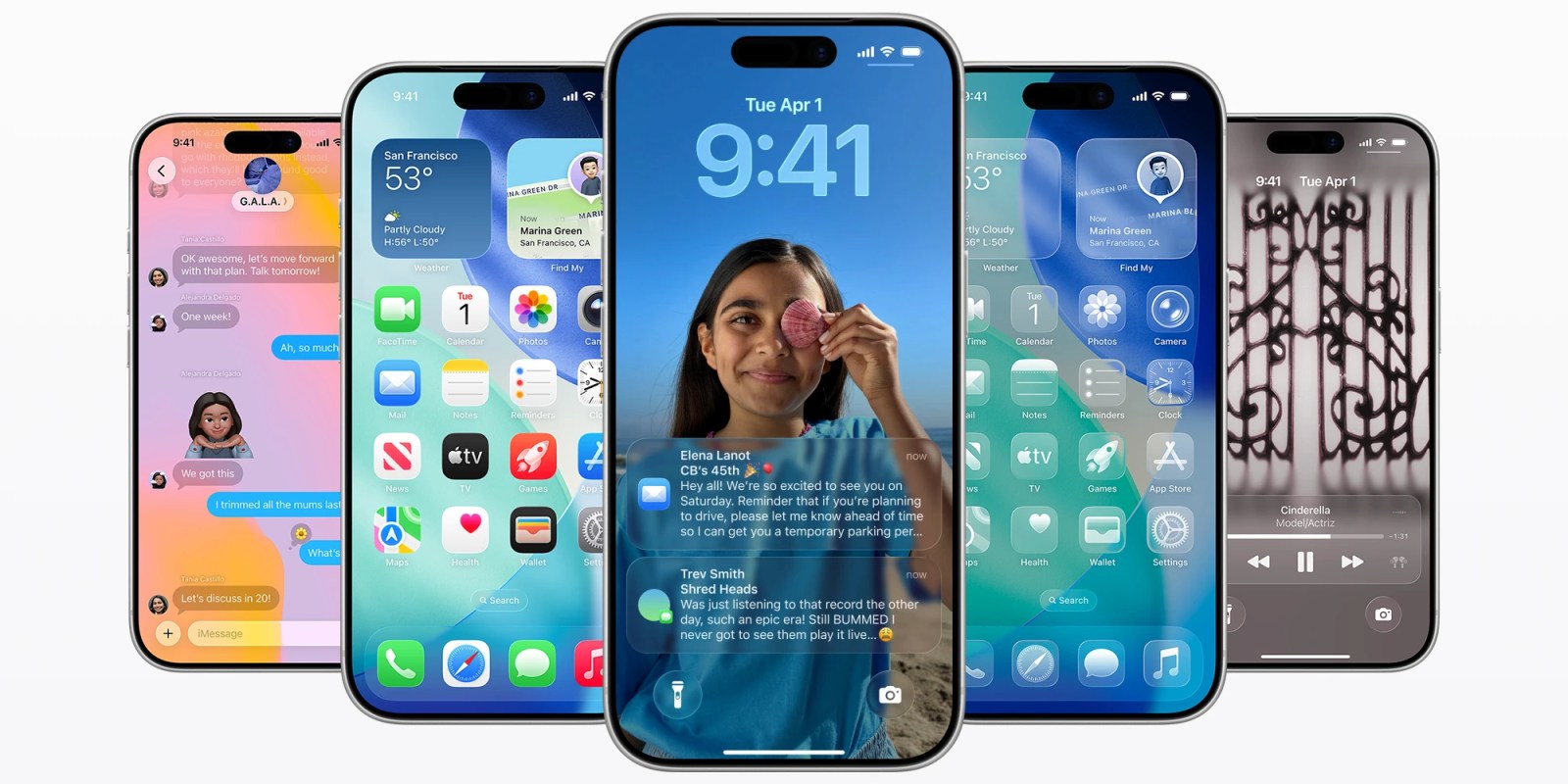
Apple has rolled out iOS 26.4.2, a crucial update aimed at rectifying a significant security vulnerability within the iPhone’s notification system. This flaw permitted deleted notifications to be unexpectedly retained on devices, posing potential privacy risks.
Key Security Enhancement in iOS 26.4.2
The latest iOS update introduces essential bug fixes and security enhancements for iPhone users. Among these, Apple has emphasized a critical correction related to notification services. According to Apple’s security update documentation, the issue involved notifications marked for deletion being inadvertently preserved on the device. This problem stemmed from a logging error, which has now been addressed through improved data redaction techniques.
Apple became aware of reports indicating that certain push notifications from applications were being retained on devices even after users had deleted them. Upon investigation, the company identified the underlying bug and implemented a fix in the iOS 26.4.2 update. This update not only resolves the issue but also retroactively removes any notification copies that were improperly stored on devices.
Context and Implications
While Apple has not explicitly linked this update to specific incidents, it is likely a response to recent reports involving law enforcement agencies accessing deleted notifications. For instance, there have been instances where authorities successfully retrieved Signal app notifications from an individual’s iPhone, even after the app had been deleted. This situation underscores the importance of ensuring that when an application is removed, all associated notifications are also permanently deleted. With the release of iOS 26.4.2, Apple aims to reinforce this expectation, ensuring user privacy and data security.
Availability
The notification fix introduced in iOS 26.4.2 is also available in iPadOS 26.4.2, iOS 18.7.8, and iPadOS 18.7.8, extending the security enhancement across a range of Apple devices.