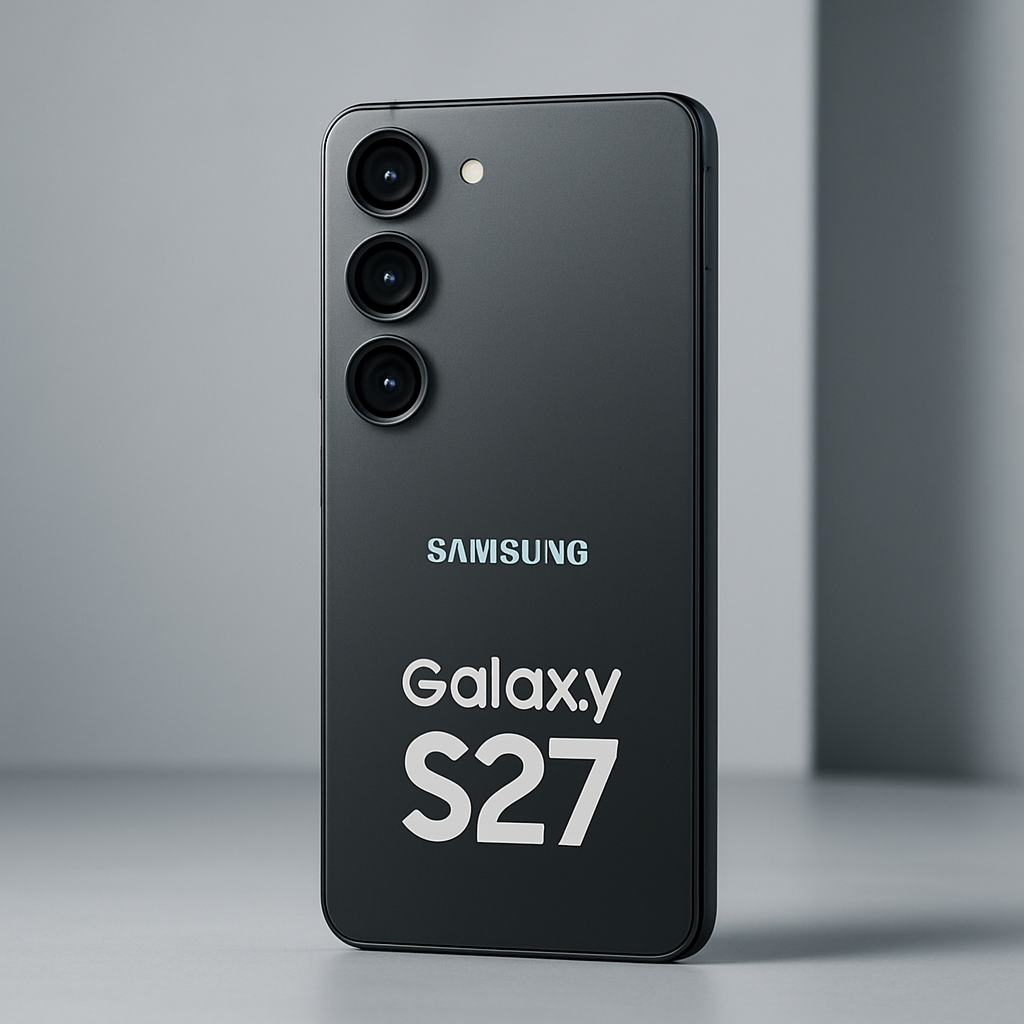
Samsung has reportedly decided against reintroducing variable aperture technology in its upcoming Galaxy S27 series. Initially, there were indications that the company planned to revive this feature, first seen in the Galaxy S9+ in 2018, to enhance camera flexibility by allowing physical adjustments to the light entering the sensor.
However, recent reports suggest that Samsung has abandoned these plans due to concerns over increased manufacturing costs and the potential for thicker camera modules. The decision appears to be influenced by the ongoing challenges in the semiconductor industry, often referred to as “RAMageddon,” which have led to higher component prices and supply chain disruptions.
In the broader context, the smartphone industry has seen a resurgence of interest in variable aperture cameras. For instance, Xiaomi’s 13 Ultra, released in 2023, featured a 1-inch variable aperture main sensor, offering users greater control over light intake and depth of field. Despite this trend, Samsung seems to be prioritizing cost efficiency and device slimness over reintroducing this technology.
As the Galaxy S27’s launch approaches, it remains to be seen how Samsung will position its camera capabilities to compete with rivals who are embracing variable aperture technology. This decision underscores the delicate balance manufacturers must strike between innovation, cost management, and meeting consumer expectations in a rapidly evolving market.