Foxconn, the world’s largest contract electronics manufacturer and Apple’s primary iPhone assembler, has experienced a significant shift in its revenue composition. Historically, Apple accounted for over half of Foxconn’s income. However, recent data indicates that this figure has now fallen below 29%.
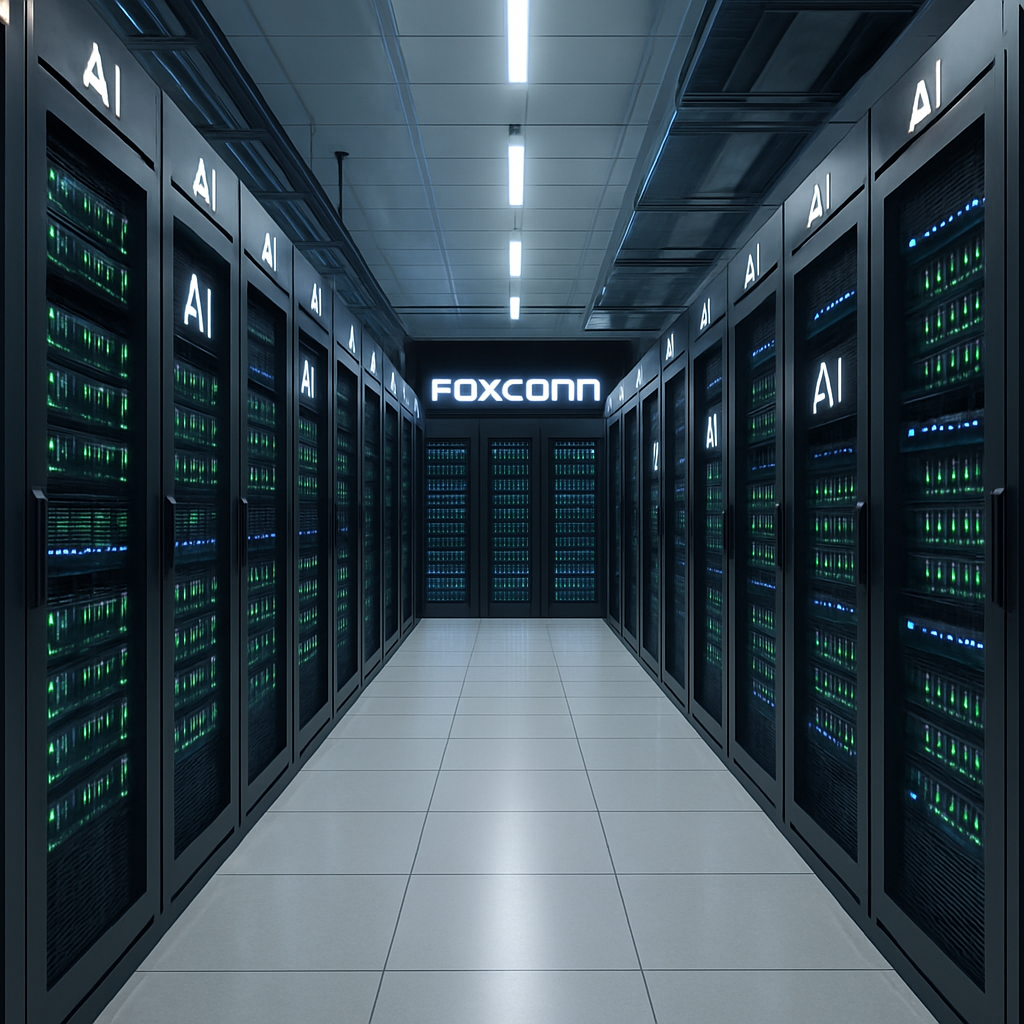
This change is not due to a decrease in iPhone production but rather a substantial increase in Foxconn’s involvement in the artificial intelligence (AI) server market. The company’s cloud and networking division, responsible for building AI servers, contributed to 51% of its revenue in the most recent quarter. This marks the first time this segment has surpassed half of Foxconn’s total revenue.
Michael Chiang, Foxconn’s rotating chief executive, emphasized that this shift is structural rather than cyclical. He stated that cloud investment is poised to become the most critical growth driver for the company in the coming years.
Other key Apple suppliers are also experiencing growth in the AI sector. For instance, TSMC’s advanced packaging technology, CoWoS, which is essential for AI chips, is expected to see a capacity increase of over 50% next year.
Despite these advancements, investors have expressed concerns about the sustainability of this growth, citing potential risks of an AI bubble. While Foxconn’s shares have risen by 17% this year, this increase is modest compared to the 57% surge observed across Taiwanese companies as a whole.
Foxconn’s strategic pivot towards AI servers reflects a broader trend in the tech industry, where companies are diversifying their portfolios to capitalize on emerging technologies. This move not only reduces Foxconn’s reliance on a single client but also positions the company to be a significant player in the rapidly expanding AI market. However, the long-term success of this strategy will depend on the sustained demand for AI infrastructure and Foxconn’s ability to navigate the competitive landscape.