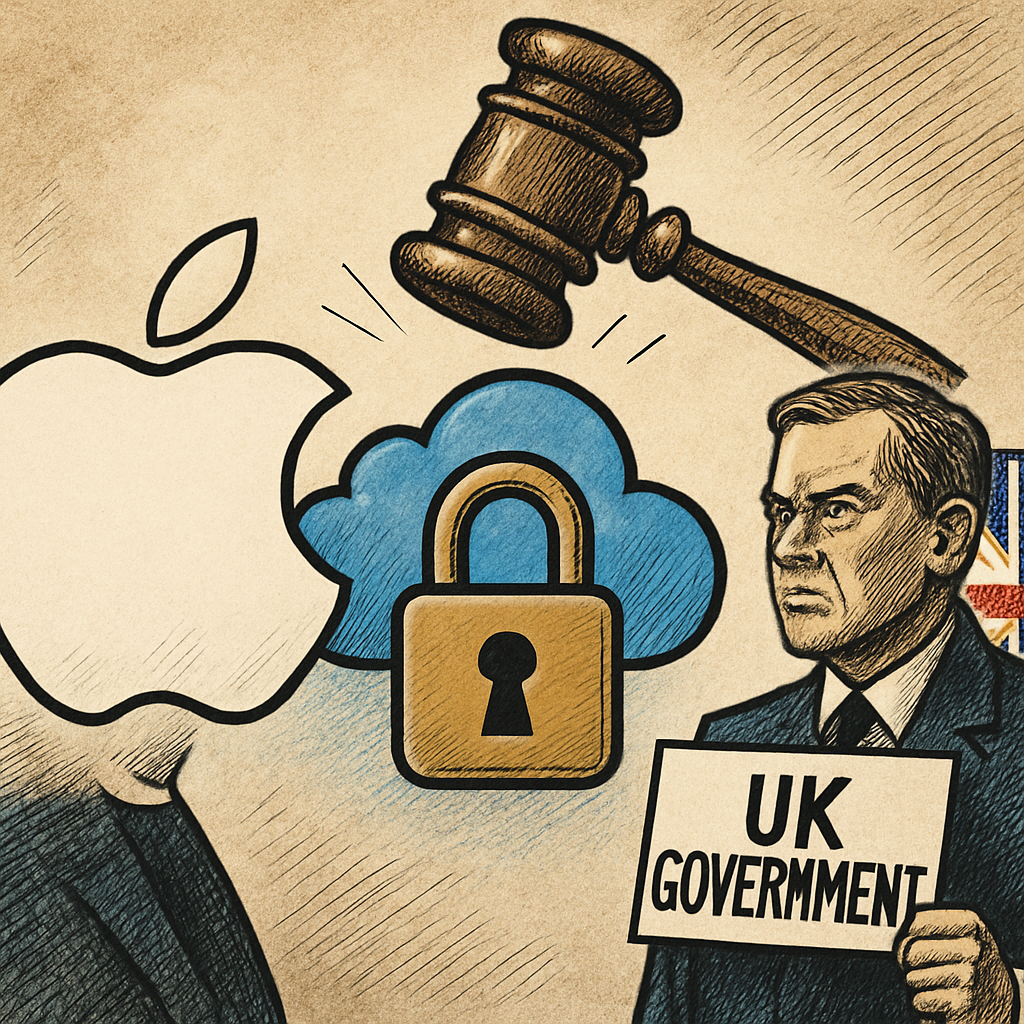
Apple is once again at odds with the United Kingdom government over demands to access encrypted user data stored in iCloud. The tech giant has filed a complaint with the UK’s Investigatory Powers Tribunal, contesting a recent ‘technical capability notice’ issued by the government. This notice compels companies to provide access to user data, even if it’s encrypted, effectively requiring a backdoor into Apple’s secure cloud storage.
This legal confrontation isn’t the first between Apple and UK authorities. In early 2025, the UK government issued a secret order demanding access to encrypted iCloud backups. Apple responded by removing its Advanced Data Protection (ADP) feature for UK users, a move that disabled end-to-end encryption for iCloud data in the region. This decision was made to avoid compromising the security of users’ data worldwide. Subsequently, the UK government withdrew its demand following intervention from the U.S. administration.
Despite the previous withdrawal, the UK government issued another order in October 2025, renewing its demand for access to encrypted data. Apple is now challenging this latest order, maintaining its stance against creating backdoors that could potentially compromise user privacy and security.
Apple’s Advanced Data Protection feature, introduced in 2022, offers end-to-end encryption for iCloud data, ensuring that only the user can access their information. This level of security has been a significant selling point for Apple, especially as concerns over digital privacy continue to grow.
The UK’s demands are rooted in the Investigatory Powers Act, which allows the government to issue technical capability notices requiring companies to provide access to user data for law enforcement purposes. Critics argue that such demands undermine user privacy and set a dangerous precedent for government overreach into personal data.
Apple’s resistance to these demands highlights the ongoing tension between tech companies and governments over encryption and user privacy. While governments argue that access to encrypted data is essential for national security and law enforcement, tech companies and privacy advocates contend that creating backdoors compromises the security of all users and could be exploited by malicious actors.
As this legal battle unfolds, it underscores the broader debate over the balance between privacy and security in the digital age. Users and industry observers will be watching closely to see how this case influences future policies and the extent to which companies can protect user data from government intrusion.