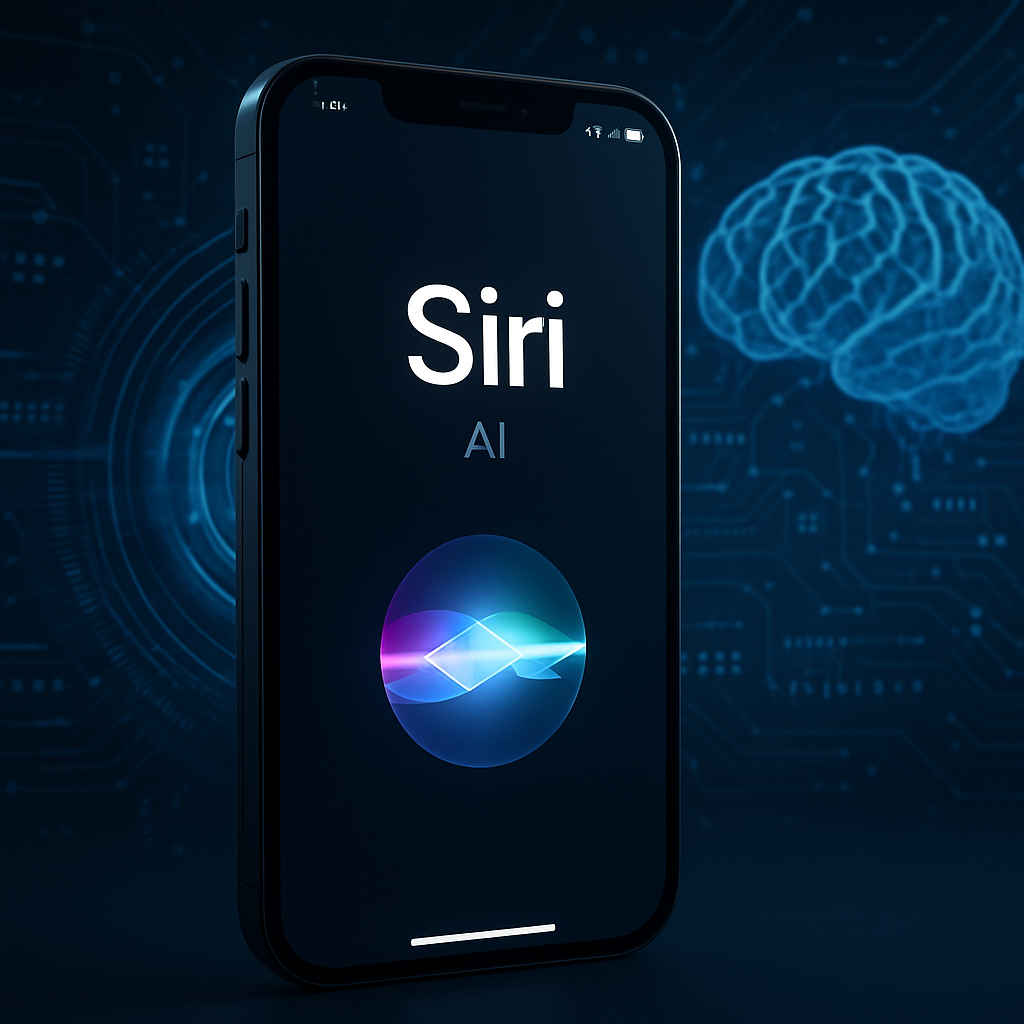
After years of anticipation and multiple delays, Apple has introduced Siri AI in the consumer beta of iOS 27, launched in July. This revamped assistant now offers enhanced capabilities, including understanding personal context, accessing extensive world knowledge, and retrieving relevant information stored on users’ iPhones.
Users can engage in natural, back-and-forth conversations with Siri, adjusting the expressivity and pacing of its voice responses. Additionally, a dedicated Siri app allows for text-based interactions and revisiting past conversations. The assistant can locate items like photos, emails, contacts, texts, or calendar appointments, even when users provide vague descriptions. For example, asking Siri to find the last receipt saved on the iPhone will yield accurate results without specifying its storage location or details.
Siri’s functionality extends to extracting information from images, such as retrieving a driver’s license number from a photo or accessing a QR code from a screenshot. It can also launch websites, provide directions, play music, edit photos, draft emails, and play audiobooks. Notably, Siri now consistently plays requested songs, podcasts, or audiobooks on preferred apps, addressing previous inconsistencies.
The assistant can assist with brainstorming, refining ideas, learning about new topics, or exploring recipes based on available ingredients. It can inform users about events, such as when a favorite band is performing, considering the user’s location. Additionally, Siri can identify objects through the camera’s viewfinder or help split a restaurant bill among friends.
These advancements are attributed to Apple’s collaboration with Google, utilizing its Gemini AI models. Apple integrated this technology to train and refine its proprietary Apple Foundation Models, optimized for Apple Silicon and Private Cloud Compute infrastructure.
Despite these improvements, the release has been met with a sense of anticlimax. While Siri AI now functions as originally envisioned, the rapid progression of AI technology has set higher expectations. Competitors have introduced AI tools capable of coding, completing multi-step tasks, and collaborating with users in more advanced ways. Consequently, Siri’s enhancements, though significant, may not feel as groundbreaking in the current technological landscape.
Apple’s cautious approach to AI development has allowed it to sidestep the pitfalls of the rapidly deflating AI hype bubble. By focusing on efficient on-device AI models, Apple offers greater privacy and performance advantages. However, the delayed release of Siri AI means it enters a market where more advanced AI assistants have already set new standards. Moving forward, Apple will need to accelerate its AI initiatives to meet evolving user expectations and maintain its competitive edge.