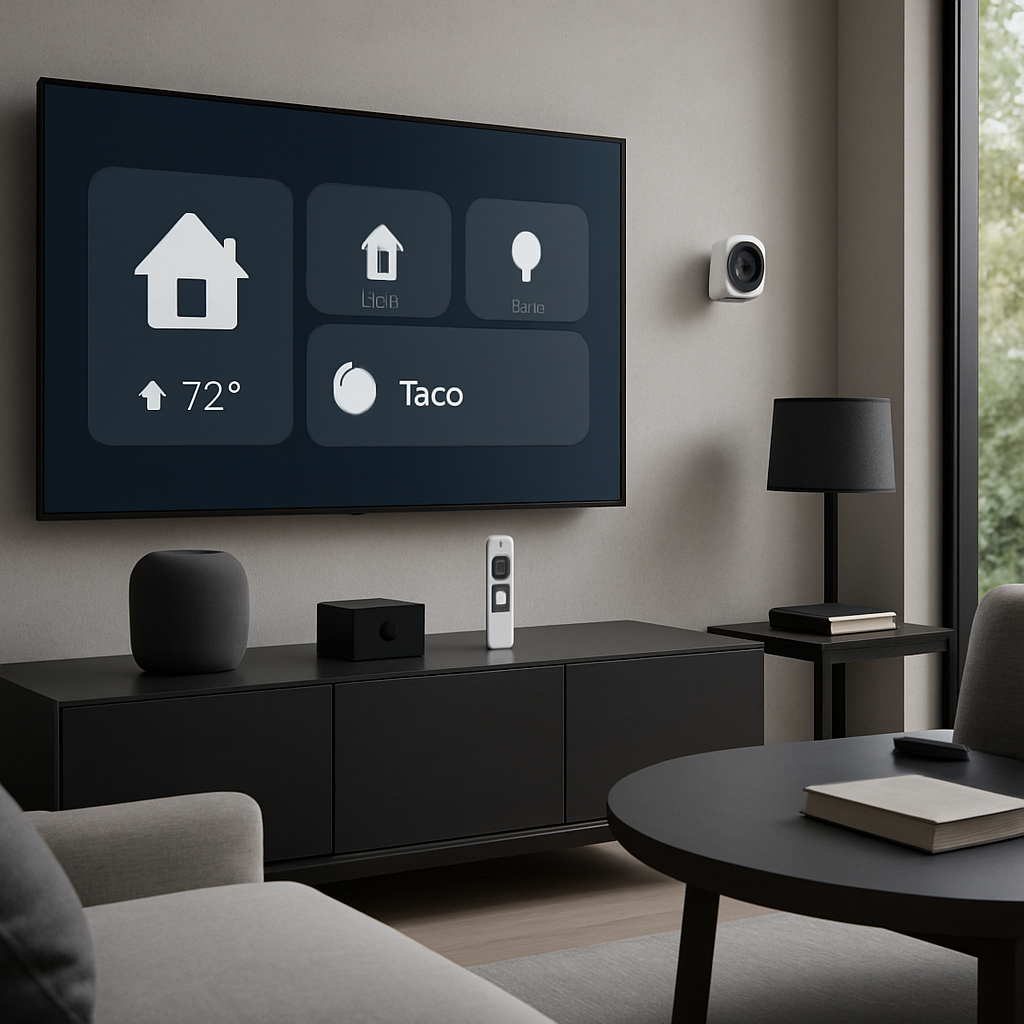
Apple is poised to significantly expand its smart home product lineup, marking a substantial shift in its approach to home automation. Historically, Apple’s presence in the smart home market has been limited, with products like the Apple TV and HomePod serving as the primary offerings. However, recent developments suggest a more aggressive strategy is on the horizon.
Reports indicate that Apple is preparing to introduce a suite of new devices aimed at enhancing the smart home experience. Among the anticipated products are:
- New Apple TV 4K: An updated version of Apple’s streaming device, potentially featuring improved hardware and software capabilities.
- HomePad: Details are scarce, but this could be a new addition to the HomePod family, possibly offering unique features or form factors.
- HomePod mini 2: A successor to the original HomePod mini, likely incorporating enhanced audio performance and integration with other Apple services.
- HomePod 3: The third iteration of the HomePod, expected to deliver superior sound quality and smarter home integration.
- Security Camera: A new entry into home security, this device would allow users to monitor their homes directly through the Apple ecosystem.
- Video Doorbell: Expanding into the smart doorbell market, this product would offer features like video monitoring and two-way communication.
- Tabletop Robotic Home Hub: Perhaps the most intriguing, this device is rumored to serve as a central control point for all smart home devices, potentially featuring a display and interactive capabilities.
These developments align with Apple’s broader strategy to integrate more deeply into users’ daily lives through a cohesive ecosystem of devices and services. The introduction of these products is expected to coincide with the release of iOS 27, which brings significant enhancements to Siri, Apple’s voice assistant. This timing suggests a concerted effort to unify hardware and software improvements for a more seamless user experience.
For consumers, this expansion means a more comprehensive range of options within the Apple ecosystem, potentially reducing the need to rely on third-party devices for home automation. It also indicates Apple’s commitment to competing more directly with established players in the smart home market, such as Amazon and Google.
As Apple prepares to unveil these products, it will be crucial to observe how they differentiate themselves in a crowded market and how they integrate with existing Apple services. The success of this initiative could redefine Apple’s role in the smart home industry and offer consumers new levels of convenience and integration.