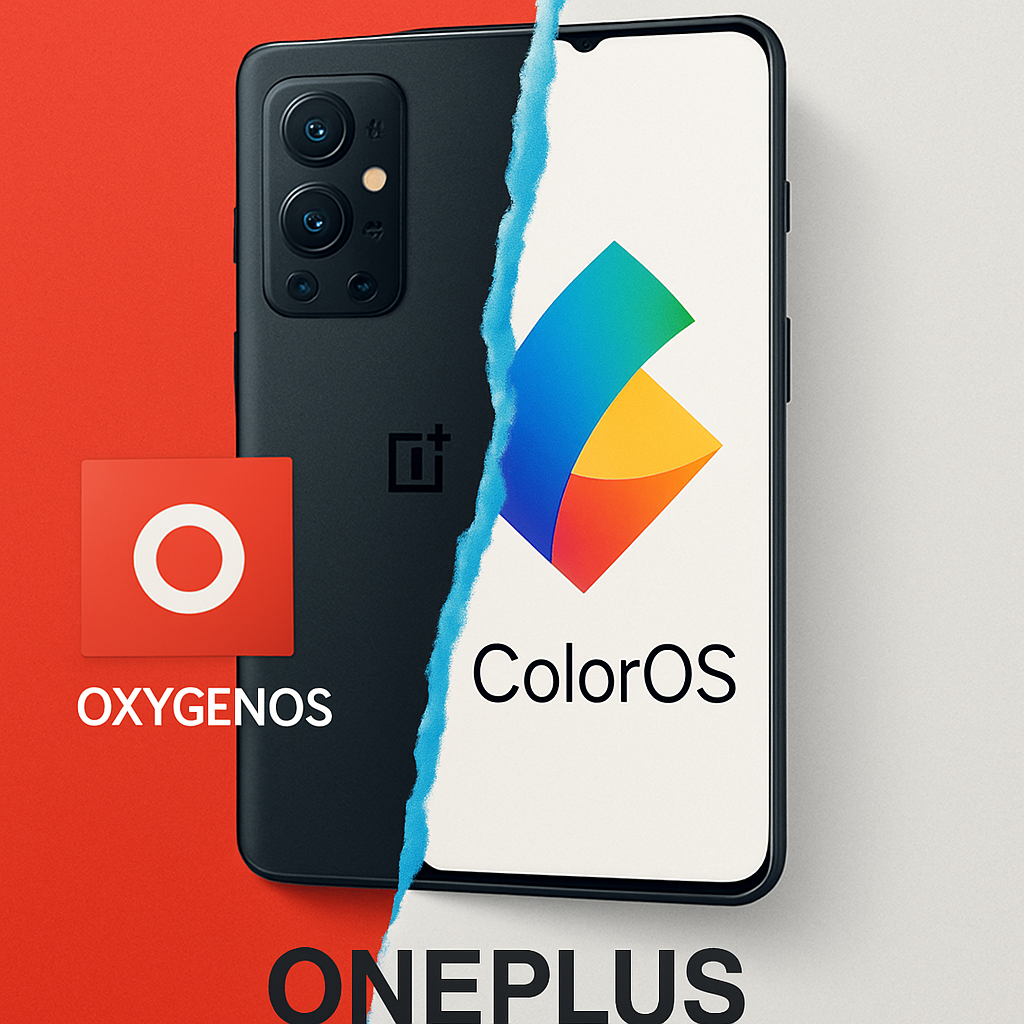
OnePlus, once celebrated as the ‘flagship killer’ for delivering high-performance smartphones at competitive prices, has officially announced its withdrawal from the United States and European markets. This strategic decision marks a significant shift in the company’s global operations.
Existing customers in these regions will continue to receive software updates and after-sales support. However, future updates will transition devices from OnePlus’s custom OxygenOS to Oppo’s ColorOS, aligning with the parent company’s software ecosystem. This change reflects the deepening integration between OnePlus and Oppo, a relationship that has evolved over recent years.
In China and India, OnePlus will maintain its presence, with India contributing over 50% of the brand’s global shipments. Reports suggest that operations in India might also conclude by 2027, although OnePlus currently denies these claims. Meanwhile, Oppo plans to strengthen its focus on the European market, while Realme, another Oppo subsidiary, will exit the Chinese market to concentrate on the Nordic region.
Since its debut in 2014 with the OnePlus One, the company has been known for offering high-end specifications at mid-tier prices, earning a dedicated fanbase. However, increased competition from brands like Samsung, Apple, and other Chinese manufacturers, coupled with rising costs and homogenized designs, have eroded its unique appeal. The merger of OxygenOS with ColorOS further blurred the lines between OnePlus and Oppo, leading to a shift in brand identity.
For consumers in the US and Europe, this development reduces the diversity of smartphone options. Alternatives include Oppo’s flagship Find X9 Ultra, Xiaomi’s 17 Ultra, Honor devices, the upcoming Google Pixel 11 series, or even a switch to the iPhone. Additionally, the brand Nothing, led by ex-OnePlus co-founder Carl Pei, emerges as a potential successor for OnePlus enthusiasts.
OnePlus’s exit from these key markets signifies the end of an era for a brand that once disrupted the smartphone industry. It highlights the challenges faced by companies striving to balance innovation, competitive pricing, and market expansion in an increasingly saturated and competitive landscape.