In the latest episode of the Apple @ Work podcast, Jitesh Ubrani, a research director at IDC, delves into the recent trends in the PC market. The discussion centers on IDC’s latest report, which reveals a 4.9% year-over-year decline in global PC shipments during the second quarter of 2026. This downturn marks the first contraction after nine consecutive quarters of growth.
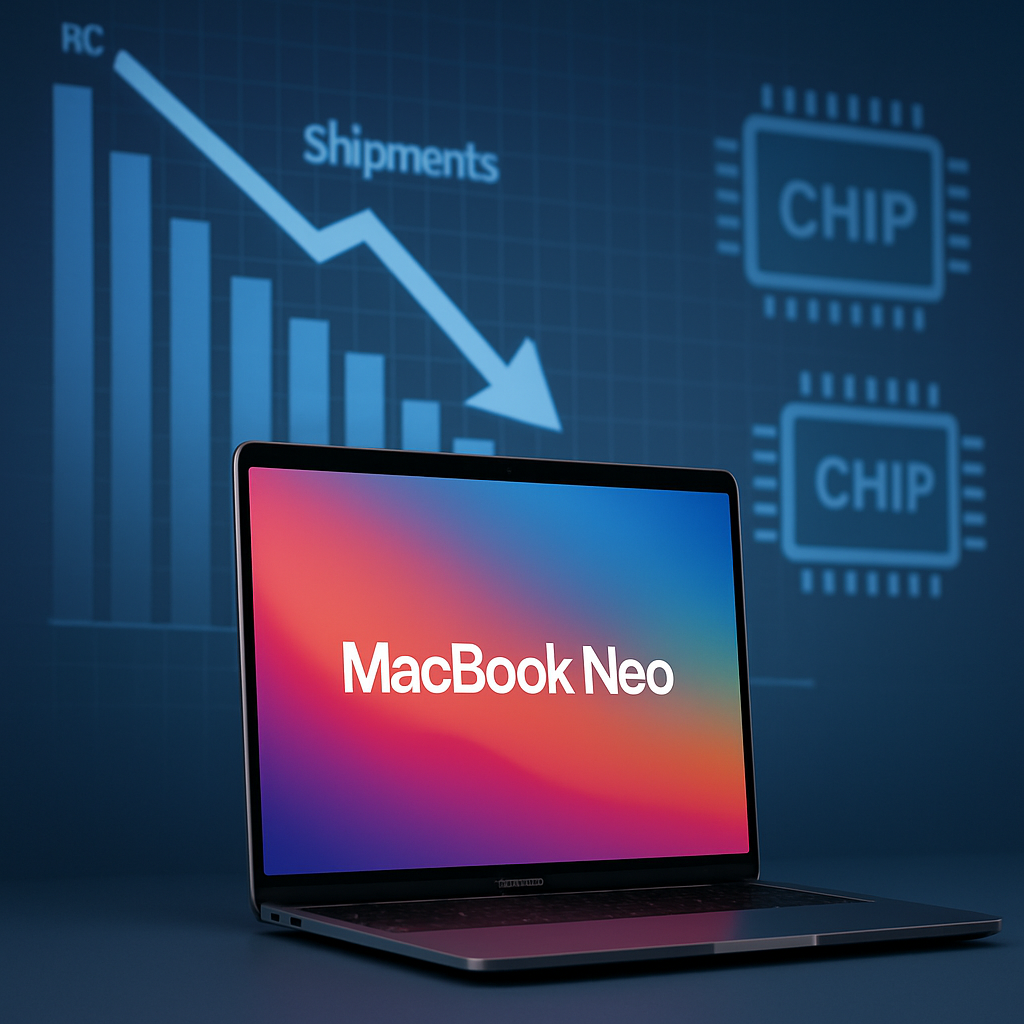
Despite the overall market decline, Apple has emerged as a notable exception. The company experienced a 10% increase in shipments, elevating its market share from 8.5% to 9.9%. This growth is largely attributed to the successful launch of the MacBook Neo, a budget-friendly model that has resonated with consumers seeking affordable yet high-quality computing options.
The broader PC market’s decline is primarily driven by a persistent memory chip shortage. The surge in demand for AI infrastructure has led manufacturers to prioritize memory production for data centers over consumer-grade components. This shift has resulted in supply constraints and increased costs for PC manufacturers, compelling them to raise prices to maintain profitability. Consequently, while shipment volumes have decreased, overall market revenue has remained stable or even increased due to these price adjustments.
Major PC vendors have felt the impact of these challenges. Lenovo, holding the top market position, experienced a 2.1% decline in shipments. HP faced a more significant drop of 9%, while Dell saw a 5% decrease. In contrast, Apple’s strategic introduction of the MacBook Neo has allowed it to capture a larger market share during this turbulent period.
Looking ahead, the memory shortage is expected to persist into 2027, with potential relief not anticipated until early 2028. This prolonged constraint poses ongoing challenges for PC manufacturers, particularly smaller vendors who may struggle to secure necessary components. Larger companies like Apple, Dell, and Lenovo are better positioned to navigate these difficulties due to their scale and established supplier relationships.
For consumers, this environment translates to higher prices and limited options in the PC market. The success of Apple’s MacBook Neo underscores the importance of innovation and strategic product development in maintaining growth amidst industry-wide challenges. As the market continues to evolve, companies that can adapt to supply chain constraints and shifting consumer demands will be better equipped to thrive.