Apple has recently implemented significant price increases across its Mac and iPad product lines, attributing the hikes to a global surge in memory and storage component costs. This escalation is largely driven by the expanding demand from artificial intelligence (AI) data centers, which has intensified competition for these essential components.
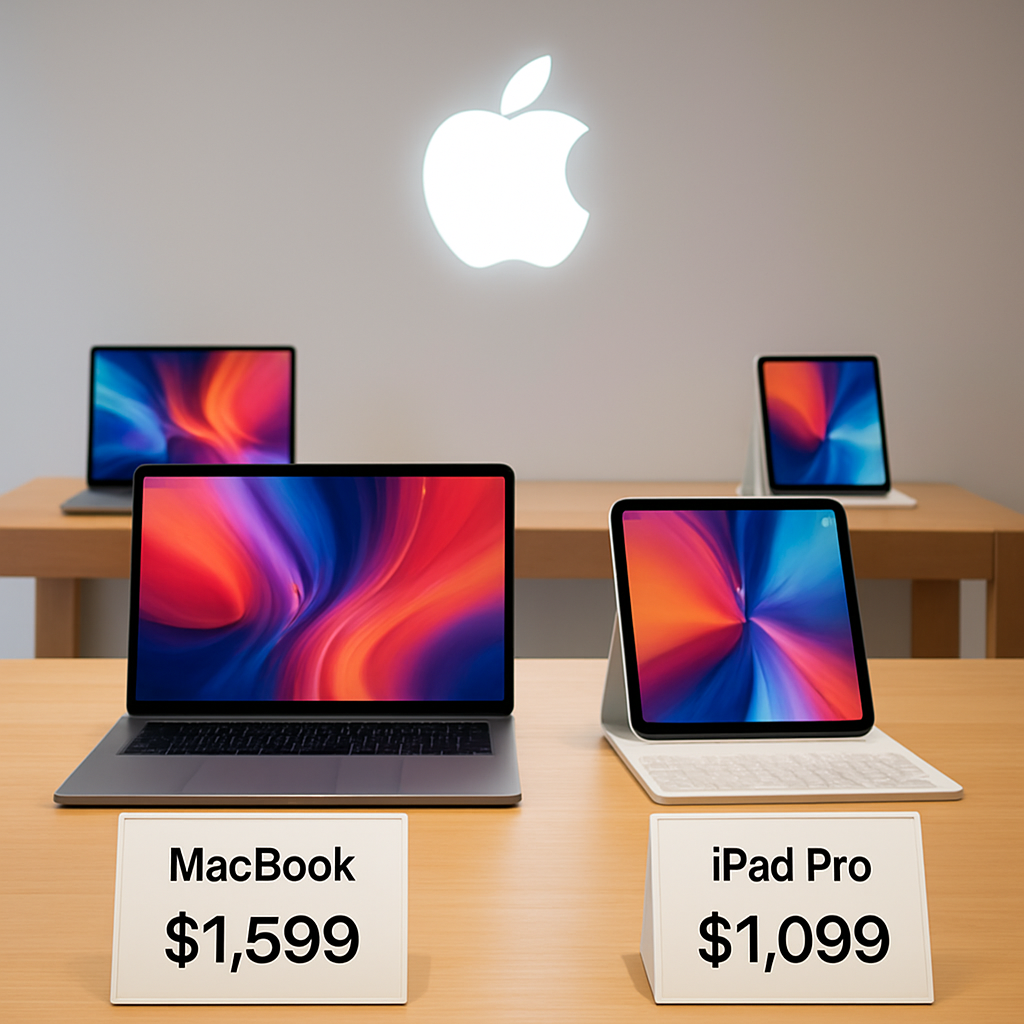
For instance, the MacBook Neo now starts at $699, up from $599, while the MacBook Air’s base price has risen from $1,099 to $1,299. The MacBook Pro has seen an increase from $1,699 to $1,999. In the iPad lineup, the standard iPad now costs $449, up from $349, and the iPad Pro has jumped from $999 to $1,199. Other products affected include the HomePod mini, now priced at $129 (up from $99), and the Apple TV, which has increased from $129 to $199.
Apple’s CEO, Tim Cook, acknowledged the unprecedented nature of these component cost increases, stating that the company has never experienced such rapid and significant hikes. He emphasized that while Apple has endeavored to shield customers from these rising costs, the current situation has made price adjustments unavoidable.
The primary factor behind these increases is the burgeoning demand for memory and storage components from AI data centers. As AI technologies advance, data centers require more high-bandwidth memory, leading to a supply shortage and subsequent price hikes. This trend has placed considerable pressure on consumer electronics manufacturers, including Apple, to adjust their pricing strategies accordingly.
While the iPhone has been spared from immediate price increases, Apple has indicated that further adjustments may be forthcoming. The company is actively exploring solutions to mitigate these challenges, including potential collaborations with alternative memory suppliers and advocating for policy changes to diversify its supply chain.
In the broader context, this development underscores the intricate interplay between emerging technologies like AI and traditional consumer electronics markets. As AI continues to evolve and expand, its impact on component supply chains and pricing structures is likely to persist, prompting companies like Apple to adapt their strategies to navigate these complexities.