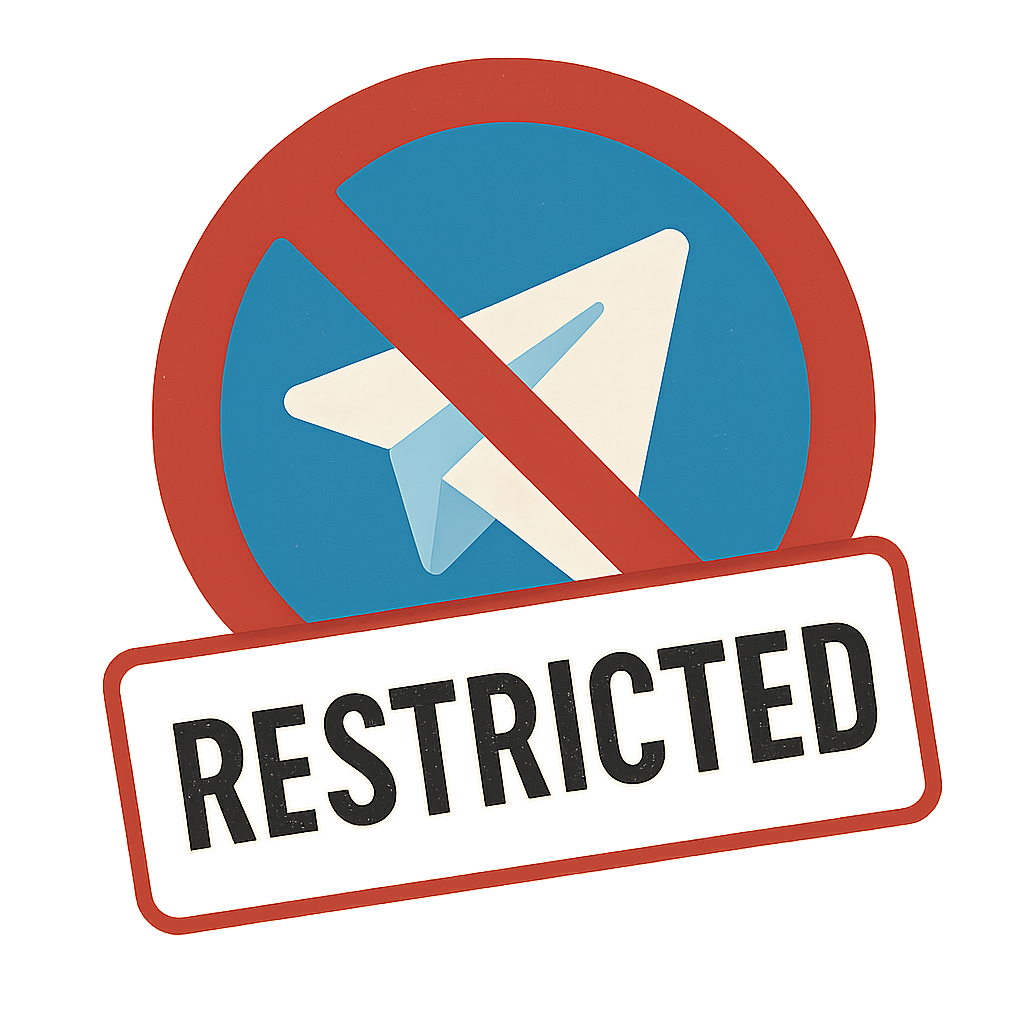
India has imposed a temporary ban on the messaging platform Telegram until June 22, 2026, in response to concerns over its misuse in facilitating exam fraud related to the National Eligibility cum Entrance Test (NEET) for undergraduate medical programs. The National Testing Agency (NTA), responsible for administering NEET, announced this measure to prevent organized cheating networks from exploiting the platform ahead of the re-examination scheduled for June 21.
The decision to restrict access to Telegram was made under Section 69A of the Information Technology Act, 2000, which allows the government to block public access to online content in the interest of sovereignty and integrity of India. The NTA highlighted that certain Telegram channels were being used to disseminate false claims about leaked exam papers, thereby defrauding candidates and undermining the examination’s integrity.
In addition to the platform-wide ban, the NTA has directed Telegram to disable its message-editing feature in India until June 30. This feature has reportedly been exploited to alter previously posted messages, creating fabricated evidence of question paper leaks after examinations have concluded. By disabling this functionality, authorities aim to curb the spread of misinformation and protect the interests of genuine candidates.
The backdrop to this development is the cancellation of the original NEET 2026 examination, which was conducted on May 3. Authorities discovered that exam questions had been leaked prior to the test, compromising the fairness of the process and affecting approximately 2.27 million students. In response, the government scheduled a re-examination for June 21 and has since implemented stringent measures to ensure the security and credibility of the exam.
Digital rights advocates have raised concerns about the proportionality of the government’s response. The Internet Freedom Foundation described the blanket ban on Telegram as a “disproportionate” measure to address exam fraud, questioning whether Section 69A permits the blocking of an entire platform rather than specific content. They argue that such actions could set a precedent for broader internet censorship.
As of now, Telegram remains accessible in India, and its message-editing feature continues to function. The Ministry of Electronics and Information Technology has not provided immediate comments on the implementation of the ban.
This situation underscores the challenges faced by authorities in balancing the need to maintain the integrity of critical examinations with the rights to digital communication and freedom of expression. While the government’s intent to prevent fraud is clear, the effectiveness and implications of such platform-wide bans warrant careful consideration. Moving forward, it will be crucial to develop more targeted and transparent approaches to address digital misconduct without infringing on broader digital rights.