For millennia, the process of creating metal alloys has remained largely unchanged: different metals are melted together to form new materials. However, Foundation Alloy, an innovative startup, is transforming this age-old practice by employing a novel technique that forgoes melting altogether.
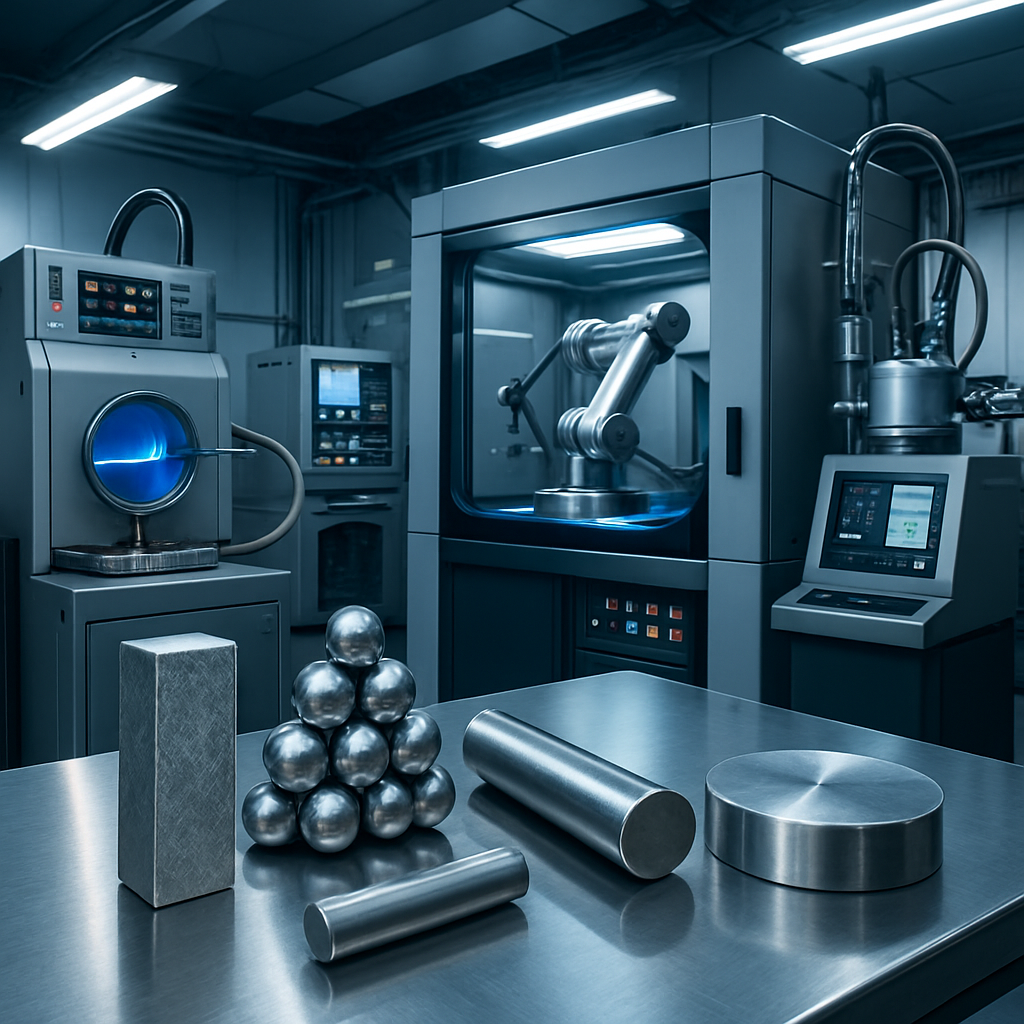
Instead of traditional melting, Foundation Alloy utilizes a method where metal powder particles are mechanically bonded by being smashed together. This solid-state process enables the creation of alloys with unique properties that are unattainable through conventional means. By avoiding the high-energy demands of melting, this approach is significantly more energy-efficient.
Currently, Foundation Alloy is producing bespoke metals in limited quantities. The demand for their specialized materials spans various sectors, including automotive, aerospace, semiconductor, defense, luxury watches, and culinary tools. The company is actively engaged in pilot programs across these industries, aiming to provide materials that offer enhanced performance while reducing waste and costs.
To scale up production, Foundation Alloy has secured a $22 million Series A funding round led by Voyager Ventures. Other participants include Trust Ventures, Yamaha Motors, America’s Frontier Fund, Overlap Holdings, Material Impact, Engine Ventures, El Cap, and Kanematsu Corporation. The latter will also serve as a distributor for the startup’s metals in Japan and Southeast Asia.
The technology underpinning Foundation Alloy’s process is rooted in two decades of scientific research focused on the behavior of metals at the nanometer scale. This research has paved the way for the development of their unique alloying technique.
Traditional alloying methods often struggle to achieve a perfectly homogeneous crystalline structure, leading to imperfections that can compromise material performance. Additionally, these methods are limited when it comes to combining metals with vastly different melting points, restricting the range of possible alloys. Foundation Alloy’s solid-state process overcomes these limitations, allowing for the creation of materials that balance properties such as heat resistance and mechanical strength without the typical trade-offs.
By 2027, Foundation Alloy aims to scale its production to several tons per week, positioning itself as a key player in supplying advanced materials to industries seeking superior performance and sustainability.
Foundation Alloy’s innovative approach to metal alloying has the potential to revolutionize multiple industries by providing materials that are both high-performing and environmentally friendly. As the company scales its operations, it will be interesting to observe how these super metals influence product design and manufacturing processes across various sectors.