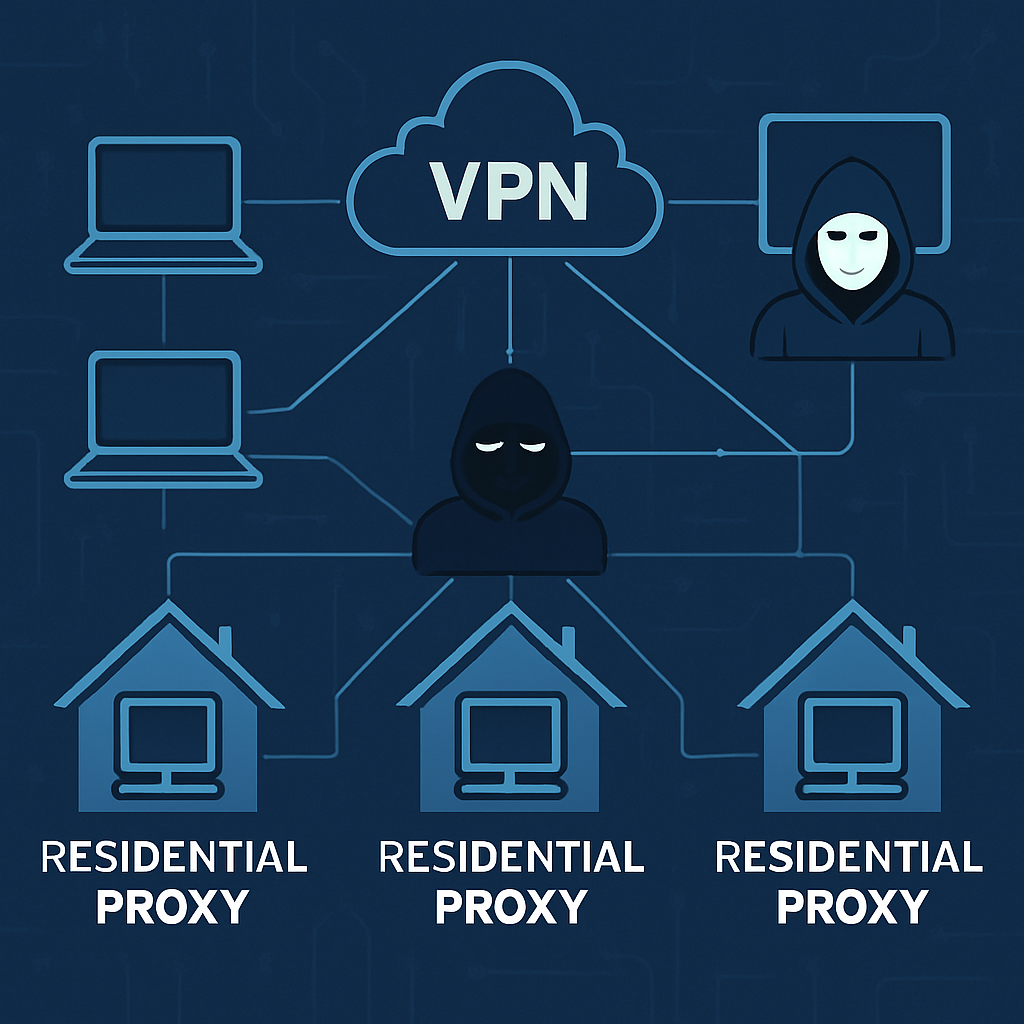
In the current cybersecurity landscape, organizations are inundated with IP data from various sources, including enrichment feeds, geolocation services, reputation scores, telemetry, and threat intelligence platforms. Despite this wealth of information, many security teams struggle to effectively identify and respond to threats due to the sheer volume and complexity of the data.
A recent industry study involving over 200 security practitioners revealed a significant trend: anonymized infrastructures, such as Virtual Private Networks (VPNs) and residential proxy networks, are implicated in 94% of security incidents. This finding underscores the growing challenge that these tools pose to traditional security measures.
The Proliferation of Anonymized Infrastructure
The accessibility of VPN services and residential proxy networks has revolutionized cybercriminal tactics. Residential proxies, which route traffic through consumer internet connections, allow malicious activities to mimic legitimate user behavior, making detection more difficult. VPN services add layers of anonymity and enable rapid changes in location and network identity. Consequently, traditional security approaches that rely on reputation or static blocklists are becoming less effective, as IP addresses alone no longer provide clear indicators of intent.
The study highlighted that nearly half of the surveyed companies experienced significant operational or financial impacts from account takeover attempts and credential abuse facilitated by VPNs and residential proxies. In these scenarios, IP addresses may appear residential and belong to legitimate Internet Service Providers (ISPs), yet still be part of active attack campaigns.
The Need for Enhanced Contextual Information
A major challenge for security operations is the lack of contextual information necessary to accurately assess the intent behind IP activities. Basic attributes like geolocation and network ownership offer limited insights. Security teams require deeper context, including infrastructure classification, VPN and proxy attribution, behavioral indicators, historical usage patterns, device and session correlations, and automation and bot signals. Without this comprehensive context, analysts are forced to make decisions based on incomplete information, increasing the risk of overlooking or misinterpreting threats.
Shifting from Reactive to Proactive Security Measures
Despite recognizing the value of IP intelligence, many organizations continue to use it primarily during post-incident investigations. IP enrichment is often applied after alerts have been generated, aiding analysts in reviewing historical events and investigating incidents. While this approach has its merits, it limits the strategic impact of IP intelligence.
To enhance security outcomes, a growing number of security teams are exploring ways to integrate IP intelligence earlier in the decision-making process. By incorporating IP data into real-time security measures, organizations can proactively identify and mitigate threats, rather than reacting after incidents have occurred.
The findings from this study highlight the pressing need for organizations to adapt their security strategies to address the challenges posed by anonymized infrastructures. By enhancing contextual understanding and shifting towards proactive security measures, organizations can better protect themselves against the evolving tactics of cybercriminals.