Apple’s Foldable iPhone Ultra Advances with Liquid Metal Hinge and Carrier Testing
Apple’s much-anticipated foldable iPhone, often referred to as the iPhone Ultra, has reached a significant milestone in its development. Recent reports indicate that prototype units are now being distributed to carriers worldwide for testing, signaling that the device is progressing toward a potential launch in the near future.
Liquid Metal Hinge: A Leap in Durability
A standout feature of the foldable iPhone is its innovative liquid metal hinge. This component has been a focal point due to concerns about durability and manufacturing complexities. However, recent updates suggest that Apple has successfully addressed these challenges, and the liquid metal hinge is now a confirmed element of the device’s design.
Liquid metal, known for its superior strength, enhanced wear resistance, and corrosion protection, offers several advantages over traditional metal alloys. While Apple has previously utilized this material in smaller components, integrating it into a foldable hinge represents a significant engineering achievement. The hinge’s durability is crucial, as foldable phones must endure hundreds of thousands of opening and closing cycles throughout their lifespan.
Carrier Testing: A Step Closer to Launch
The distribution of prototype devices to carriers worldwide marks a critical phase in the foldable iPhone’s development. Carrier testing is essential for evaluating network compatibility and ensuring the device meets certification requirements before it reaches consumers. This stage indicates that Apple is making substantial progress toward finalizing the product.
Earlier supply chain reports suggested that mass production could commence as early as July, with the foldable iPhone potentially debuting alongside the iPhone 18 Pro lineup in September.
Expected Features and Pricing
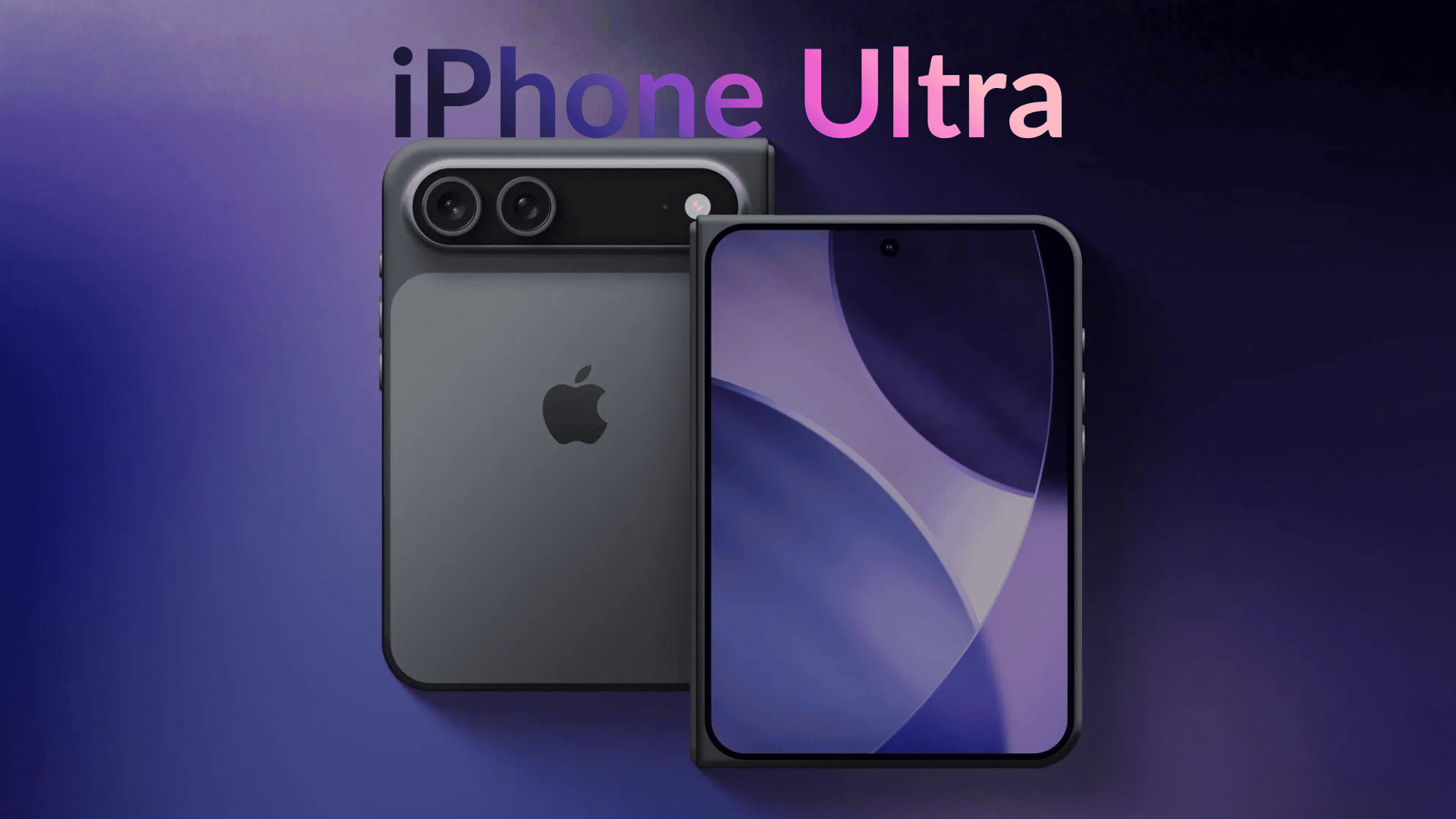
Current rumors suggest that the foldable iPhone will feature a 7.8-inch internal display and a 5.5-inch external display. The device is also expected to include Apple’s A20 chip, the C2 modem, Touch ID instead of Face ID, and a dual rear camera system.
Pricing is rumored to start at around $2,000, positioning the foldable iPhone as one of Apple’s most premium products when it eventually reaches the market.
Addressing the Crease Issue
One of the significant challenges in foldable smartphone design is the visible crease that appears on the display after repeated folding. Apple has reportedly made significant strides in addressing this issue. By refining the hinge mechanism and utilizing advanced materials, the company aims to deliver a display that remains smooth and crease-free, even after extensive use. This development is crucial for enhancing the user experience and differentiating Apple’s offering in the competitive foldable market.
Design and Aesthetics
Leaked CAD renders and dummy units have provided insights into the foldable iPhone’s design. The device is expected to adopt a book-style folding mechanism, similar to the Samsung Galaxy Z Fold. This design choice suggests that the device will open horizontally, offering a larger display area when unfolded. The renders also indicate a dual-camera setup on the rear and a sleek, modern aesthetic that aligns with Apple’s design philosophy.
Thermal Management: Vapor Chamber Cooling
To ensure optimal performance, especially during demanding tasks, the foldable iPhone is rumored to incorporate vapor chamber cooling technology. This system is designed to manage heat effectively, preventing thermal throttling and maintaining consistent performance. Given the device’s thin profile, implementing such a cooling solution demonstrates Apple’s commitment to delivering a high-performance foldable smartphone.
Market Positioning and Competition
With a starting price rumored to be around $2,000, the foldable iPhone is set to be one of Apple’s most premium offerings. This pricing strategy positions the device in direct competition with other high-end foldable smartphones in the market. Apple’s focus on durability, design, and performance aims to set its foldable iPhone apart from competitors and attract consumers seeking cutting-edge technology.
Conclusion
The development of Apple’s foldable iPhone Ultra is progressing steadily, with significant advancements in hinge technology, display durability, and overall design. The distribution of prototype units to carriers for testing indicates that the device is moving closer to a potential launch. As Apple continues to refine and perfect its foldable smartphone, consumers eagerly await the official unveiling of what promises to be a groundbreaking addition to the iPhone lineup.