Apple’s iOS 27 Introduces Split-Screen Multitasking for iPhones
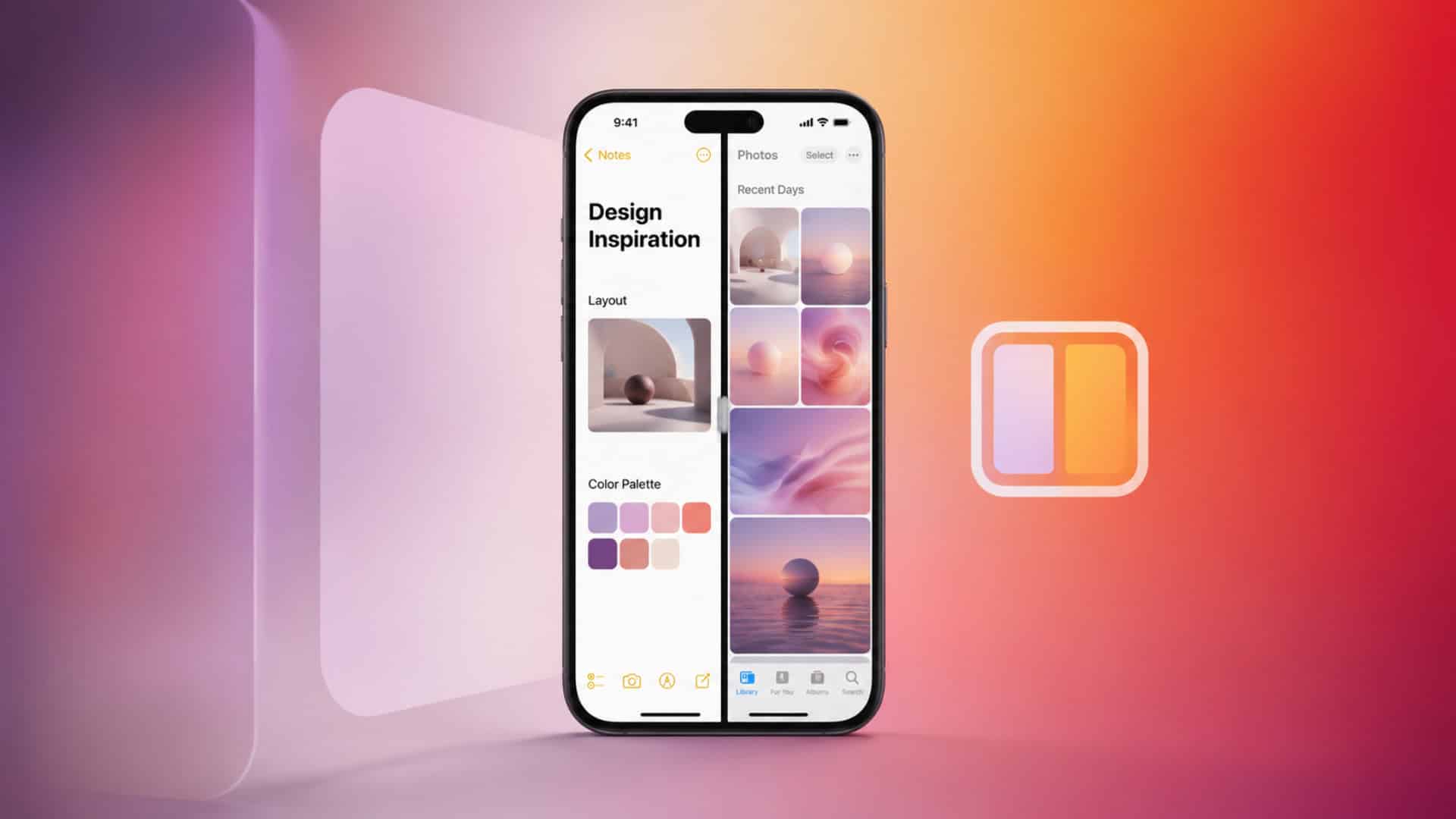
Apple is set to revolutionize the iPhone user experience with the introduction of a split-screen multitasking feature in its upcoming iOS 27 update. This enhancement aims to optimize app functionality on larger iPhone displays, particularly in anticipation of Apple’s rumored foldable iPhone.
Addressing Large-Screen Challenges
Traditionally, iPhone applications have been designed for tall, narrow screens. This design approach often leads to inefficient use of space on wider displays, resulting in unused areas and a less-than-optimal user experience. The new split-screen feature in iOS 27 seeks to address this issue by enabling apps to adapt seamlessly to larger screens without necessitating extensive redesigns by developers.
Introduction of Parallel View
According to insights from leaker Fixed Focus Digital on Weibo, Apple is developing a feature termed Parallel View for iOS. This functionality is reminiscent of capabilities found in Huawei’s HarmonyOS, where applications automatically adjust to larger displays at the system level. By implementing Parallel View, Apple aims to ensure that apps utilize the available screen real estate effectively, enhancing the overall user experience on devices with expansive displays.
Implications for Foldable iPhones
The introduction of split-screen multitasking is particularly significant in the context of Apple’s anticipated foldable iPhone, rumored to feature a 7.8-inch internal display. On such a device, traditional app layouts could result in substantial unused space. The Parallel View feature is expected to mitigate this by allowing apps to adjust dynamically to the larger screen, thereby providing a more immersive and productive interface.
Enhancing Multitasking Capabilities
Beyond optimizing app layouts, iOS 27’s split-screen feature is poised to enhance multitasking capabilities on the iPhone. Users may be able to run two applications side by side, similar to the multitasking experience currently available on iPads. This functionality would enable users to, for example, browse the web while composing an email or view a calendar while messaging, thereby boosting productivity and user engagement.
Developer Adaptation and System-Level Integration
A key advantage of the Parallel View feature is its system-level integration, which reduces the burden on developers to redesign their applications for larger screens. By handling the adaptation process at the operating system level, Apple ensures a consistent and efficient user experience across various applications, regardless of whether developers have optimized their apps for larger displays.
Anticipated Announcement at WWDC 2026
Apple is expected to unveil iOS 27 at the Worldwide Developers Conference (WWDC) 2026 later this month. If the reports are accurate, the update could bring a more flexible and productive interface that takes full advantage of larger iPhone displays and prepares iOS for Apple’s next generation of foldable devices.
Conclusion
The introduction of split-screen multitasking in iOS 27 marks a significant step forward in enhancing the iPhone user experience, particularly for devices with larger displays. By enabling applications to adapt seamlessly to varying screen sizes and supporting side-by-side app usage, Apple is addressing longstanding challenges associated with large-screen devices. This development not only improves productivity and multitasking capabilities but also sets the stage for the successful integration of foldable iPhones into Apple’s product lineup.