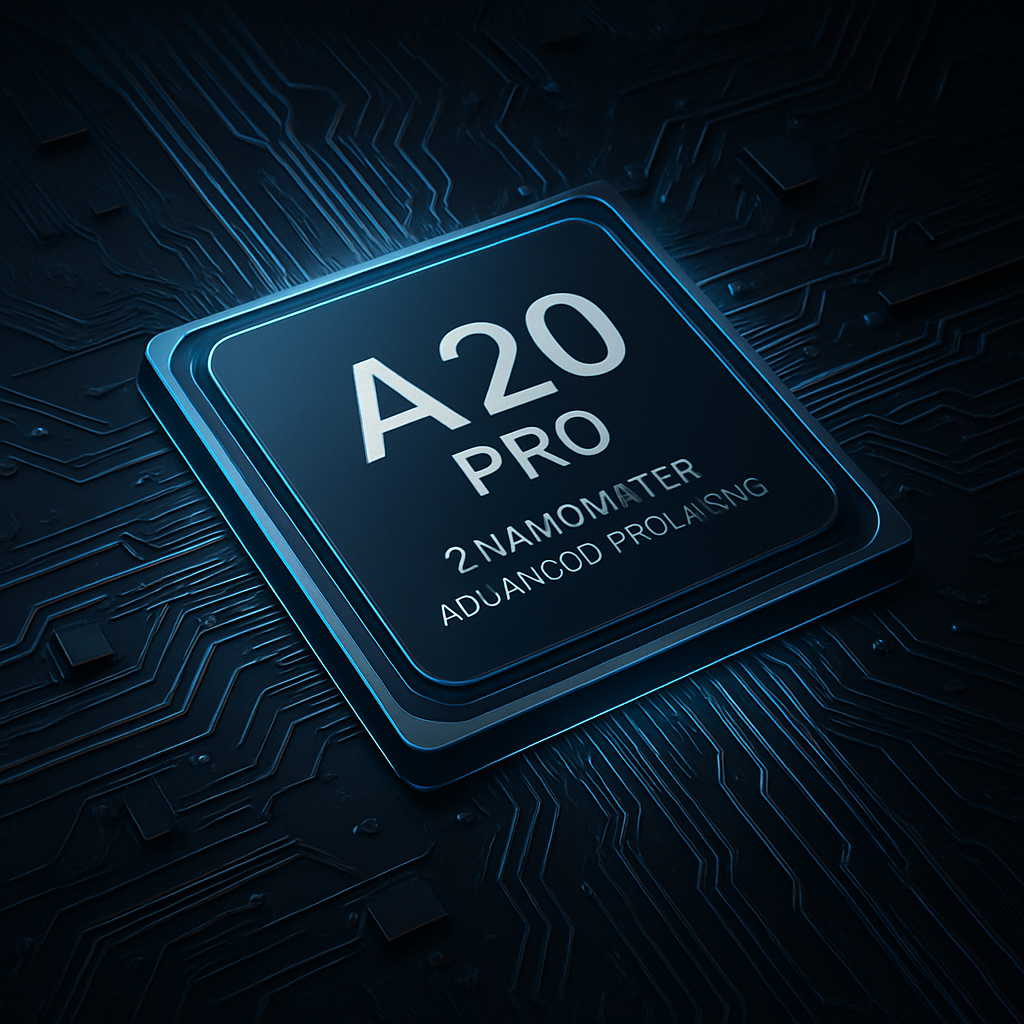
Apple’s upcoming iPhone 18 Pro and iPhone Ultra are set to feature the new A20 Pro chip, promising notable advancements in both performance and power efficiency. According to recent information from supply chain sources, the A20 Pro is expected to deliver an 18% increase in performance and a 30% improvement in power efficiency compared to its predecessor, the A19 Pro.
The A20 Pro marks Apple’s first foray into utilizing TSMC’s 2-nanometer fabrication process. This transition to a smaller process node allows for more transistors to be packed into the chip, enhancing processing power while reducing energy consumption. Additionally, the A20 Pro is anticipated to adopt Wafer-Level Multi-Chip Module (WMCM) packaging. This innovative packaging technique integrates multiple components at the wafer level, potentially leading to better thermal management and signal integrity.
Historically, Apple has consistently pushed the boundaries of chip performance. For instance, the A17 Pro chip in the iPhone 15 Pro, introduced in 2023, was the first to utilize a 3-nanometer process, offering significant improvements in speed and efficiency. The A20 Pro’s advancements continue this trend, positioning Apple at the forefront of mobile processor technology.
These enhancements are expected to translate into tangible benefits for users. The increased performance should result in smoother multitasking, faster app launches, and improved gaming experiences. The boost in power efficiency is likely to extend battery life, allowing users to enjoy their devices for longer periods without recharging.
As Apple prepares for its September event, where the iPhone 18 Pro and iPhone Ultra will be unveiled, anticipation is building around the capabilities of the A20 Pro chip. If the reported performance and efficiency gains hold true, these devices could set new standards in the smartphone industry.
In the broader context, the A20 Pro’s advancements underscore the rapid pace of innovation in semiconductor technology. As manufacturers continue to develop smaller and more efficient chips, consumers can expect devices that are not only more powerful but also more energy-efficient. This progression is crucial in an era where mobile devices play an integral role in daily life, and battery longevity remains a key concern for users.