Thea Energy Secures $100 Million to Propel Fusion Energy Advancements
Thea Energy, a pioneering fusion energy startup based in Kearny, New Jersey, has successfully closed an oversubscribed $100 million Series B funding round. This substantial investment was led by Thomas Tull’s U.S. Innovative Technology Fund (USIT), with additional participation from General Innovation Capital Partners, Linse Capital, and a diverse group of investors including Calm Ventures, Climate Capital, Divergent Capital, Emerald Technology Ventures, Gaingels, Idemitsu Kosan, Overlay Capital, Timescale Ventures, and Whatif Ventures. Existing backers such as Alumni Ventures, Hitachi Ventures, Lowercarbon Capital, Mercator Partners, Orion Industrial Ventures, Prelude Ventures, and Starlight Ventures also contributed to this round. ([thea.energy](https://thea.energy/press-release/thea-energy-raises-100-million-series-b-funding-to-build-scalable-fusion-power-plants/?utm_source=openai))
This latest infusion of capital elevates Thea Energy to the forefront of privately funded fusion startups, bringing its total private investment to $130 million. The funds are earmarked to expand the company’s magnet manufacturing capabilities, including the establishment of a second facility in Northern New Jersey. Additionally, the investment will accelerate the construction of Eos, a large-scale integrated stellarator system designed to demonstrate the viability of fusion power plants. Site selection for Eos is anticipated later this year, with construction slated to commence in 2030. ([thea.energy](https://thea.energy/press-release/thea-energy-raises-100-million-series-b-funding-to-build-scalable-fusion-power-plants/?utm_source=openai))
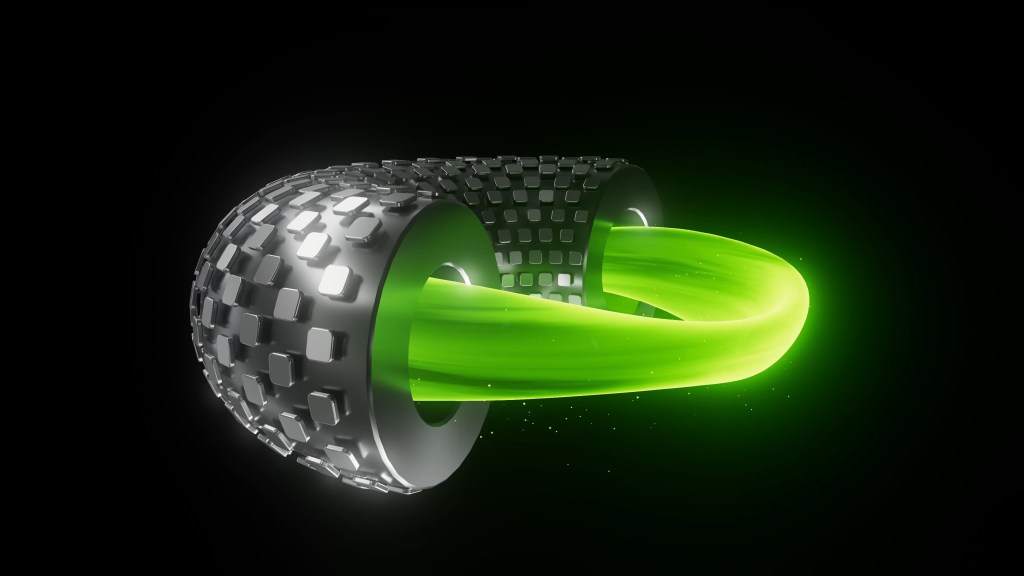
Thea Energy’s innovative approach centers on the development of stellarators, a type of fusion reactor known for its ability to maintain stable plasma configurations. Traditional stellarators require complex, twisted magnet structures to confine plasma effectively, leading to high manufacturing costs and intricate assembly processes. Thea Energy aims to overcome these challenges by utilizing an array of smaller, rectangular magnets that can be individually tuned to shape the reactor’s overall magnetic field. This design is akin to pixels on a computer monitor, where each magnet contributes to the formation of the desired magnetic configuration. ([techcrunch.com](https://techcrunch.com/2026/05/27/with-a-new-100m-raise-princetons-thea-energy-is-now-a-top-funded-fusion-startup/?utm_source=openai))
By leveraging software-controlled, planar coil magnets, Thea Energy’s design simplifies the construction and maintenance of fusion reactors. The company has demonstrated that even when test magnets are intentionally misaligned, their software can compensate, ensuring the correct magnetic field configuration. This flexibility not only reduces manufacturing complexity but also enhances the scalability of fusion power plants. ([techcrunch.com](https://techcrunch.com/2026/05/27/with-a-new-100m-raise-princetons-thea-energy-is-now-a-top-funded-fusion-startup/?utm_source=openai))
Thea Energy’s roadmap includes completing the Eos demonstration reactor by 2030, followed by the commercial deployment of its Helios power plant by 2034. These timelines position the company alongside competitors like Commonwealth Fusion Systems, which aims to bring its Arc reactor online in the early 2030s. The successful implementation of Thea Energy’s innovative magnet design could provide a significant manufacturing advantage, potentially accelerating the commercialization of fusion energy. ([techcrunch.com](https://techcrunch.com/2026/05/27/with-a-new-100m-raise-princetons-thea-energy-is-now-a-top-funded-fusion-startup/?utm_source=openai))
The oversubscribed Series B funding round underscores the growing confidence in Thea Energy’s approach to fusion energy. The company’s ability to attract a diverse group of investors reflects the broad interest in developing scalable, cost-competitive fusion power plants. As global energy demands continue to rise and the need for sustainable, zero-emission energy sources becomes more pressing, Thea Energy’s advancements in fusion technology offer a promising path toward meeting these challenges. ([thea.energy](https://thea.energy/press-release/thea-energy-raises-100-million-series-b-funding-to-build-scalable-fusion-power-plants/?utm_source=openai))
In addition to expanding its manufacturing infrastructure, Thea Energy plans to double its team to support the upcoming phases of development. The company is also in discussions with over a dozen potential power offtakers, hyperscalers, and utility partners interested in leveraging fusion power. These collaborations aim to position the United States at the forefront of the next generation of energy infrastructure, ensuring energy security and meeting the rapidly increasing power demands driven by re-industrialization and technological advancements. ([thea.energy](https://thea.energy/press-release/thea-energy-raises-100-million-series-b-funding-to-build-scalable-fusion-power-plants/?utm_source=openai))
Thea Energy’s progress has been recognized by the U.S. Department of Energy (DOE), which certified the company’s Helios preconceptual design milestone. This certification marks Thea Energy as the first awardee to receive this distinction, highlighting the company’s leadership in the fusion energy sector. Over the past year and a half, Thea Energy has de-risked its core fusion technologies, including the development of full-scale planar shaping magnets and the operation of the world’s first superconducting magnet array capable of creating the complex magnetic fields required for commercial stellarator systems. ([thea.energy](https://thea.energy/press-release/thea-energy-raises-100-million-series-b-funding-to-build-scalable-fusion-power-plants/?utm_source=openai))
As Thea Energy continues to advance its mission of commercializing scalable and economical fusion energy systems, the recent $100 million funding round serves as a significant milestone. The company’s innovative approach to stellarator design, combined with strong financial backing and strategic partnerships, positions it as a leader in the pursuit of sustainable, zero-emission energy solutions for the future.