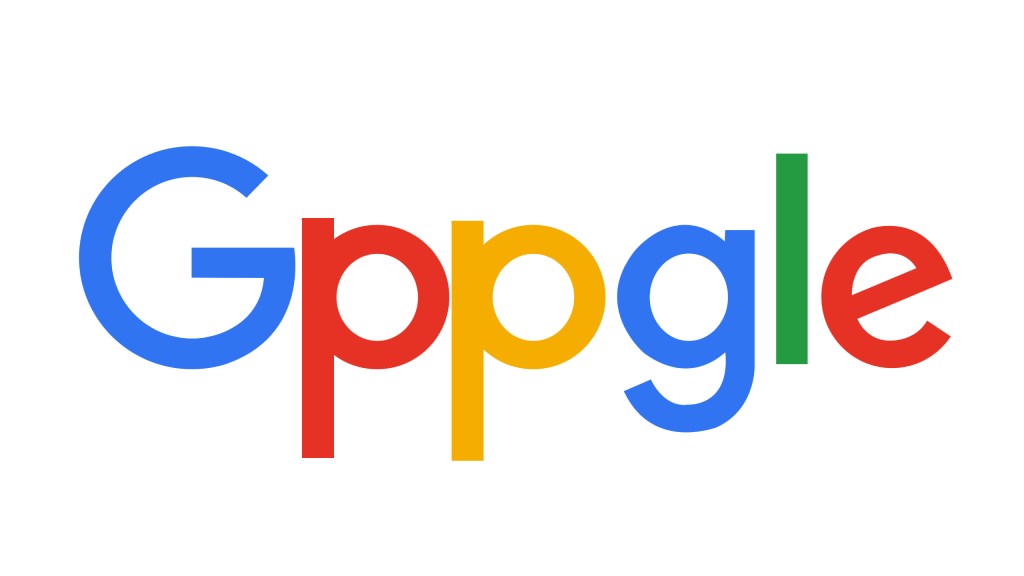
Google’s AI Struggles with Spelling: A Deep Dive into the Challenges
In the rapidly evolving landscape of artificial intelligence, Google’s recent integration of AI into its search engine has garnered significant attention. However, this advancement has not been without its challenges, particularly concerning the AI’s ability to handle spelling accurately.
The Spelling Conundrum
Users have reported instances where Google’s AI provides incorrect spellings for common words. For example, when asked about the spelling of Google, the AI erroneously indicated that there are two ‘P’s in the word. Similarly, it misspelled journalism as j-o-u-r-n-a-d-i-s-m and Trump as t-r-p-u-m. These errors highlight a fundamental issue within the AI’s language processing capabilities.
Understanding the Root Cause
The core of this problem lies in how large language models (LLMs) process text. Unlike humans, who read and interpret words as sequences of letters, LLMs break down text into tokens. These tokens can represent whole words, parts of words, or even individual letters, depending on the model’s design. This tokenization process means that the AI doesn’t see words in the traditional sense but rather as numerical representations. Consequently, when tasked with spelling a word, the AI may struggle because it doesn’t inherently understand the concept of individual letters within words.
Historical Context and Ongoing Challenges
This isn’t the first time AI models have exhibited difficulties with spelling. Previous iterations of AI have faced similar challenges, often producing humorous or nonsensical outputs when asked to spell words or count letters within them. These issues persist because the underlying architecture of these models isn’t designed to handle such tasks effectively.
Google’s Response and Future Directions
In response to these challenges, Google has acknowledged the issue and is actively working on solutions. A company representative stated, Counting within words has been a known challenge for LLMs, and we’re working to fix this particular issue. This admission underscores the complexity of the problem and the ongoing efforts to enhance the AI’s language processing capabilities.
Broader Implications for AI Development
The spelling errors observed in Google’s AI are symptomatic of broader challenges in AI development. They highlight the limitations of current models in understanding and processing human language at a granular level. Addressing these issues requires not only refining existing models but also rethinking how AI systems are trained and how they interpret language.
Conclusion
While Google’s integration of AI into its search engine represents a significant technological advancement, the spelling errors serve as a reminder of the hurdles that remain. As AI continues to evolve, addressing these fundamental language processing challenges will be crucial in creating more accurate and reliable systems.