Spyware attacks targeting journalists, human rights defenders, and political dissidents have become increasingly common. In early 2025, WhatsApp alerted approximately 90 users, many of whom were journalists and civil society members across Europe, that they had been targeted by Israeli spyware company Paragon Solutions. Subsequently, Apple notified a new group of iOS users, confirming that two journalists had been compromised by Paragon’s Graphite spyware through zero-click attacks—meaning no user interaction was required for infection.
These incidents are part of a broader trend where government hackers employ sophisticated tools to infiltrate smartphones, granting them access to personal data, communications, and real-time location tracking. In response, major tech companies have introduced features designed to counter such targeted spyware attacks.
Apple’s Lockdown Mode
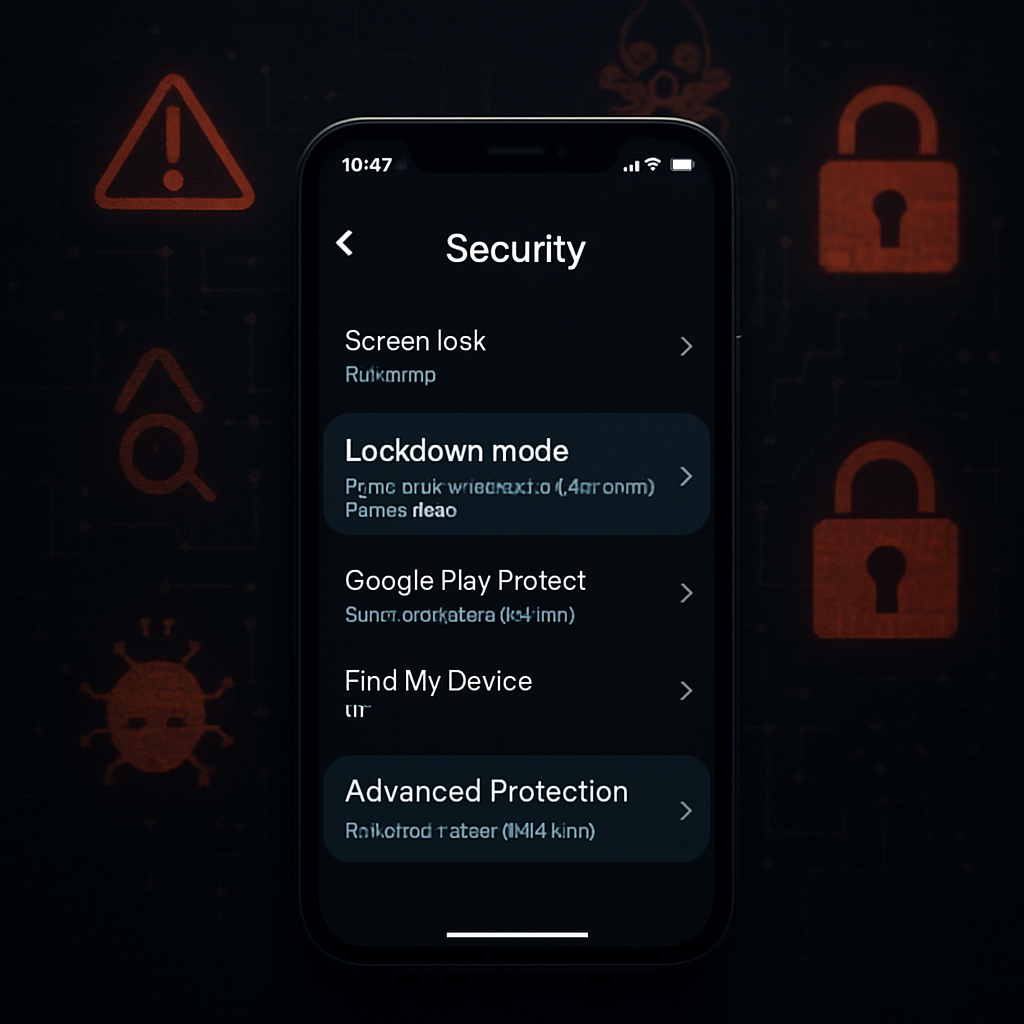
Apple offers Lockdown Mode on all its devices, including iPhones. When enabled, Lockdown Mode provides enhanced security by limiting certain functionalities that could be exploited by attackers. This feature is particularly beneficial for individuals who may be at higher risk of targeted attacks.
Google’s Advanced Protection Program
Google provides the Advanced Protection Program for users seeking heightened security measures. This program offers robust protections against phishing and unauthorized access, making it suitable for those who require additional safeguards.
Meta’s Security Features
Meta (formerly Facebook) has also implemented security features aimed at protecting users from spyware and other malicious activities. These features are designed to enhance user privacy and security across Meta’s platforms.
While no security measure is entirely foolproof, enabling these features can significantly reduce the risk of spyware infections. As security researcher Runa Sandvik notes, these features are free, easy to enable, and represent the best defense currently available against sophisticated spyware. If they interfere with regular activities, users can easily disable them, making it worthwhile to activate and test these protections.
In an era where zero-click attacks are on the rise, taking proactive steps to secure personal devices is crucial. Activating these built-in security features can provide an essential layer of defense against increasingly sophisticated cyber threats.
Source: TechCrunch