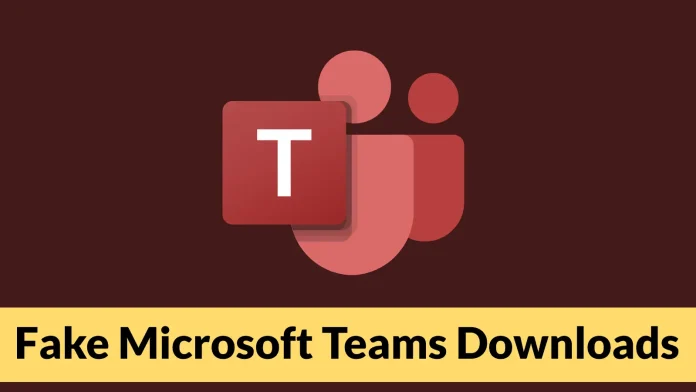
Cybercriminals Exploit Fake Microsoft Teams Downloads to Deploy ValleyRAT Malware
In a recent cyberattack campaign, hackers have been distributing counterfeit Microsoft Teams installers to deploy ValleyRAT, a sophisticated remote access trojan (RAT). This malware enables unauthorized access to compromised systems, allowing attackers to steal sensitive data, log keystrokes, and remotely control infected machines.
Campaign Overview
The malicious activity, first identified in mid-April 2026, involves the creation of deceptive websites that closely mimic the official Microsoft Teams download page. These fraudulent sites are disseminated through various channels, including social media platforms, to reach a broad audience. Unsuspecting users who visit these sites are prompted to download a zip archive containing a weaponized installer.
Technical Analysis
Upon execution, the installer initiates a multi-stage infection process:
1. Deployment of Malicious Components: The installer drops several files onto the system, including a loader and a malicious DLL named `utility.dll`.
2. DLL Sideloading: The malware leverages a legitimate Tencent executable, `GameBox.exe`, to sideload the malicious DLL, thereby evading detection.
3. System Modification: PowerShell commands are executed to modify Windows Defender settings, adding exclusions for the malware’s working directory and the malicious DLL. Additionally, system attributes are altered to conceal the presence of the dropped files.
4. Persistence Mechanism: A service named `_CCGDAT` is created to ensure the malware’s persistence across system reboots.
5. Payload Execution: The core payload, `user.dat`, is stored in an AES-encrypted format and decrypted in memory during runtime. Shellcode injection techniques are employed to load ValleyRAT directly into the running process, avoiding detection by traditional security measures.
Attribution and Indicators
Analysis by K7 Security Labs revealed Chinese language artifacts within the fake websites and associated log data, suggesting that the campaign originates from China. The tactics, techniques, and procedures (TTPs) observed align with those previously attributed to the SilverFox Advanced Persistent Threat (APT) group, indicating a possible connection.
Implications and Recommendations
This campaign underscores the increasing sophistication of cyber threats that exploit trusted applications to deceive users. To mitigate such risks, organizations and individuals should:
– Verify Download Sources: Always download software from official and verified sources.
– Implement Security Controls: Utilize endpoint protection solutions capable of detecting and preventing DLL sideloading and other advanced attack techniques.
– Educate Users: Conduct regular training sessions to raise awareness about social engineering tactics and the importance of scrutinizing download links.
– Monitor Network Activity: Employ network monitoring tools to detect unusual traffic patterns that may indicate a compromise.
By adopting these measures, users can enhance their defenses against sophisticated malware campaigns that exploit trusted software platforms.