Apple’s Foldable iPhone Faces Potential Delays Due to Hinge Durability Issues
Apple’s highly anticipated entry into the foldable smartphone market, tentatively named the iPhone Fold or iPhone Ultra, is encountering significant challenges that may delay its expected 2026 launch. Recent reports indicate that the device’s hinge mechanism is failing to meet Apple’s stringent quality control standards, raising concerns about its durability and overall user experience.
Hinge Durability Concerns
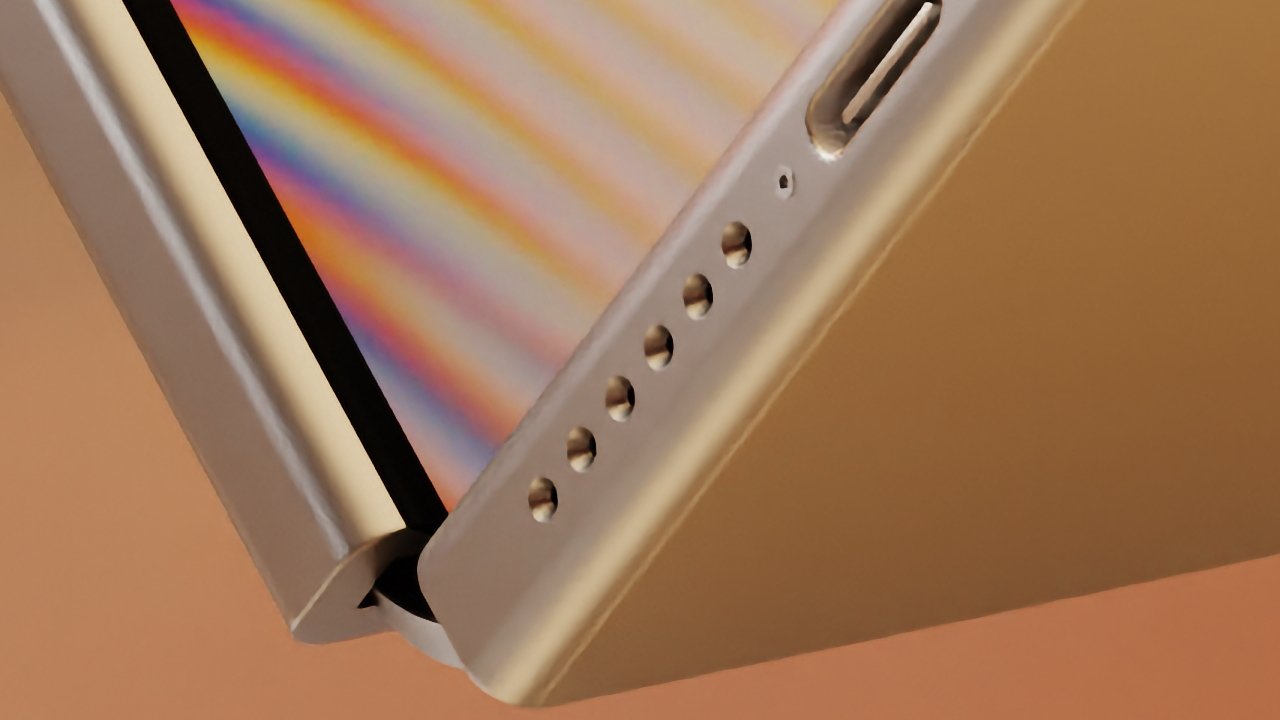
The primary issue centers around the hinge’s performance under prolonged, high-frequency opening and closing. According to a report by MacRumors, the hinge consistently falls short of Apple’s quality benchmarks, with the leaker Instant Digital describing the problem as one that must be resolved with absolute perfection; otherwise, progress will simply have to be stalled for the time being. ([macrumors.com](https://www.macrumors.com/2026/05/18/foldable-iphone-production-stalls/?utm_source=openai))
This development is particularly concerning given Apple’s previous focus on hinge durability. In March 2025, reports suggested that the company planned to use metallic glass, also known as liquid metal, for the hinge mechanism to enhance resistance to deformation. The amorphous atomic structure of metallic glass was expected to provide superior strength and flexibility compared to traditional crystalline metals. ([macrumors.com](https://www.macrumors.com/2025/03/27/iphone-fold-features-metallic-glass-hinge/?utm_source=openai))
Impact on Production Timeline
The hinge issues have reportedly stalled trial production of the foldable iPhone. As noted by AppleInsider, the device’s hinge is consistently failing to meet quality control standards under conditions of prolonged, high-frequency opening and closing. This setback could potentially delay the device’s launch, which was initially anticipated for later in 2026. ([appleinsider.com](https://appleinsider.com/articles/26/05/18/problematic-hinge-could-delay-the-iphone-fold?utm_source=openai))
Apple’s commitment to delivering a flawless product means that any unresolved issues could push back the release date. The company is known for its meticulous attention to detail and unwillingness to compromise on quality, especially when entering a new product category.
Design Trade-offs and Feature Adjustments
In addition to hinge durability concerns, Apple is reportedly making design trade-offs to achieve a thinner and more portable form factor for the foldable iPhone. One significant change involves replacing the Face ID functionality with Touch ID integrated into the power button. This shift is due to the device’s ultra-thin design, which cannot accommodate the Face ID sensor array. While some users may view this as a step backward, others might appreciate the compact design and the return of Touch ID. ([creativebloq.com](https://www.creativebloq.com/design/product-design/apples-folding-iphone-suddenly-doesnt-sound-so-ultra?utm_source=openai))
Market Implications and Competitive Landscape
The foldable smartphone market is becoming increasingly competitive, with companies like Samsung and Huawei leading the charge. Apple’s entry into this space is highly anticipated, but the current hinge issues could impact its ability to compete effectively. As reported by TweakTown, the hinge failures have halted production, risking a missed launch window while competitors continue to advance their foldable offerings. ([tweaktown.com](https://www.tweaktown.com/news/111671/apples-foldable-iphone-halted-by-hinge-failures-production-stalls/index.html?utm_source=openai))
Consumers have high expectations for Apple’s products, and any perceived shortcomings could affect the device’s reception. Ensuring that the foldable iPhone meets durability and performance standards is crucial for its success in the market.
Conclusion
Apple’s foray into the foldable smartphone market is facing significant challenges, particularly concerning the hinge mechanism’s durability. These issues have the potential to delay the device’s launch and impact its competitiveness in a rapidly evolving market. Apple’s commitment to quality and user experience means that resolving these problems is paramount before the foldable iPhone can make its debut.