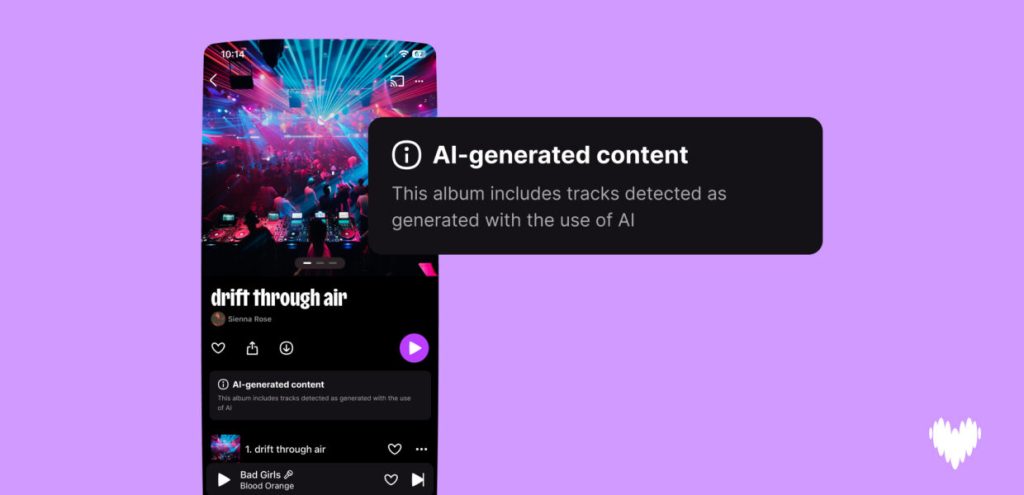
Deezer Reports Surge in AI-Generated Music, Prompting Industry-Wide Discussions
In a recent announcement, Deezer revealed that nearly half of the daily music uploads to its platform are now AI-generated. Specifically, the streaming service is receiving approximately 75,000 AI-created tracks each day, totaling over two million per month. Despite this influx, AI-generated music accounts for only 1-3% of total streams, with 85% of these streams identified as fraudulent and subsequently demonetized by Deezer.
This trend underscores a significant and rapid increase in AI-generated content on Deezer. In January 2025, the platform reported just 10,000 AI tracks uploaded daily. By September of the same year, this number had tripled to 30,000, and by November, it reached 50,000. The current figure of 75,000 daily uploads highlights the accelerating adoption of AI in music creation.
To address this surge, Deezer has implemented several measures. AI-generated songs are automatically excluded from algorithmic recommendations and editorial playlists. Additionally, the company has decided to cease storing high-resolution versions of AI tracks. These steps aim to maintain the integrity of the platform and ensure fair compensation for human artists.
The prominence of AI-generated music was further highlighted when an AI-created track recently topped the iTunes charts in multiple countries, including the United States, United Kingdom, France, Canada, and New Zealand. This milestone has sparked industry-wide discussions about the role of AI in music production and distribution.
Deezer’s CEO, Alexis Lanternier, emphasized the need for collective action within the music ecosystem to protect artists’ rights and promote transparency for listeners. He stated, AI-generated music is now far from a marginal phenomenon, and as daily deliveries keep increasing, we hope the whole music ecosystem will join us in taking action to help safeguard artists’ rights and promote transparency for fans.
In November 2025, Deezer conducted a survey revealing that 97% of participants couldn’t distinguish between fully AI-generated music and human-made tracks. The survey also found that 52% of respondents believed AI-generated songs shouldn’t be included in charts alongside human-made songs, and 80% advocated for clear labeling of AI-generated music for listeners.
In response to these findings, Deezer began tagging AI-generated tracks in June 2025, becoming the first streaming platform to do so. By the end of that year, the company had labeled over 13.4 million AI tracks. This proactive approach aims to enhance transparency and address concerns about the authenticity of music content.
The rise of AI-generated music has prompted varied responses across the industry. In January 2026, Bandcamp announced a ban on AI-generated music, stating their commitment to ensuring that music on their platform is created by humans. Conversely, some major record labels have entered into agreements with AI startups to license their music catalogs, ensuring artists and songwriters are compensated when their work is used to train AI models.
The increasing prevalence of AI in music creation presents both opportunities and challenges. While AI can democratize music production and foster innovation, it also raises questions about authenticity, copyright, and fair compensation. As the industry navigates this evolving landscape, platforms like Deezer are taking steps to balance technological advancements with the rights and interests of human artists.