Uber’s Strategic Shift: Embracing Asset Ownership in Autonomous Vehicle Expansion
Uber Technologies Inc., traditionally known for its asset-light business model, is undergoing a significant transformation by investing heavily in autonomous vehicle (AV) technology and asset acquisition. According to a recent Financial Times report, Uber has committed over $10 billion toward purchasing autonomous vehicles and acquiring equity stakes in AV development companies. This investment includes approximately $2.5 billion in direct investments and an additional $7.5 billion allocated for acquiring robotaxis over the next few years.
Strategic Investments in Autonomous Technology
Uber’s substantial financial commitment underscores its strategic focus on integrating autonomous vehicles into its platform. The company has formed partnerships and made investments in several key players in the AV sector:
– WeRide: A Chinese autonomous driving company specializing in Level 4 autonomous vehicles, which can operate without human intervention under specific conditions.
– Lucid Motors and Nuro: Uber has collaborated with electric vehicle manufacturer Lucid Motors and autonomous delivery startup Nuro to develop premium robotaxi services. This partnership aims to offer high-end autonomous ride-hailing options to customers.
– Rivian: An American electric vehicle automaker known for its electric trucks and SUVs. Uber’s investment in Rivian aligns with its goal to diversify its autonomous fleet with various vehicle types.
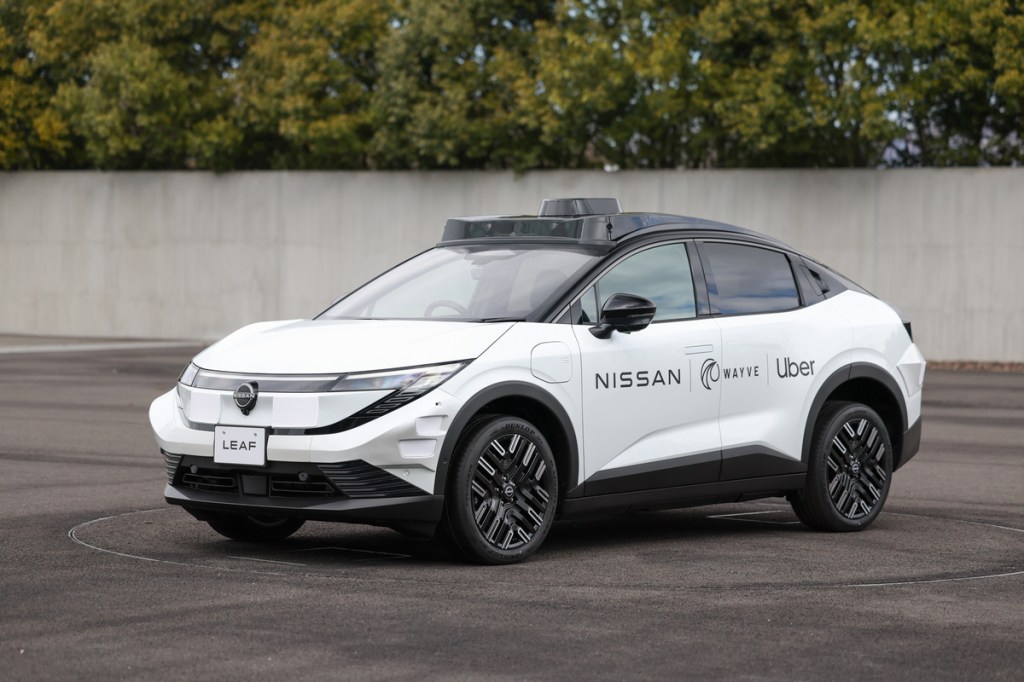
– Wayve: A UK-based startup focusing on developing AI-driven autonomous driving technology that can adapt to various driving environments without extensive mapping.
Transition from Asset-Light to Asset-Heavy Model
Historically, Uber operated on an asset-light model, relying on drivers who owned their vehicles. However, between 2015 and 2018, the company ventured into asset-heavy initiatives:
– Uber Elevate: Launched to develop electric air taxis, aiming to revolutionize urban transportation.
– Uber ATG (Advanced Technologies Group): Established to develop in-house autonomous vehicle technology, bolstered by the acquisition of Otto, a self-driving truck startup, in 2016.
– Jump: Acquired in 2018, Jump was a micromobility startup offering electric bikes and scooters, expanding Uber’s transportation offerings.
In 2020, Uber shifted its strategy by divesting from these ventures:
– Uber ATG: Sold to Aurora Innovation, a self-driving technology company.
– Jump: Transferred to Lime, a micromobility company specializing in electric scooters and bikes.
– Uber Elevate: Sold to Joby Aviation, a company developing electric vertical takeoff and landing (eVTOL) aircraft.
Despite these divestitures, Uber retained equity stakes in these companies, maintaining a vested interest in their success.
Current Asset Acquisition Strategy
Uber’s current approach marks a departure from its previous asset-light model. By investing directly in autonomous vehicle technology and acquiring physical assets, Uber aims to:
– Enhance Control: Owning autonomous vehicles allows Uber to have greater control over its fleet, ensuring quality and consistency in service.
– Optimize Operations: Direct ownership can lead to better integration of autonomous vehicles into Uber’s platform, potentially reducing operational costs over time.
– Drive Innovation: Investing in AV technology positions Uber at the forefront of transportation innovation, enabling it to offer cutting-edge services to its customers.
Implications for Uber’s Financials
This strategic shift toward asset ownership will have significant implications for Uber’s financial statements:
– Capital Expenditures: The acquisition of autonomous vehicles will increase capital expenditures, impacting cash flow and requiring careful financial management.
– Depreciation: Owning physical assets will introduce depreciation expenses, affecting net income and requiring adjustments in financial reporting.
– Balance Sheet Changes: The addition of substantial assets will alter Uber’s balance sheet, increasing both assets and liabilities, and potentially affecting financial ratios and investor perceptions.
Conclusion
Uber’s commitment of over $10 billion to autonomous vehicle technology and asset acquisition signifies a bold strategic shift from its traditional asset-light model. By investing in and owning autonomous vehicles, Uber aims to enhance control over its operations, optimize service delivery, and position itself as a leader in transportation innovation. This move reflects Uber’s adaptability and willingness to evolve in response to technological advancements and market demands.