Blue Origin Achieves First Reuse of New Glenn Rocket, Marking a Milestone in Spaceflight
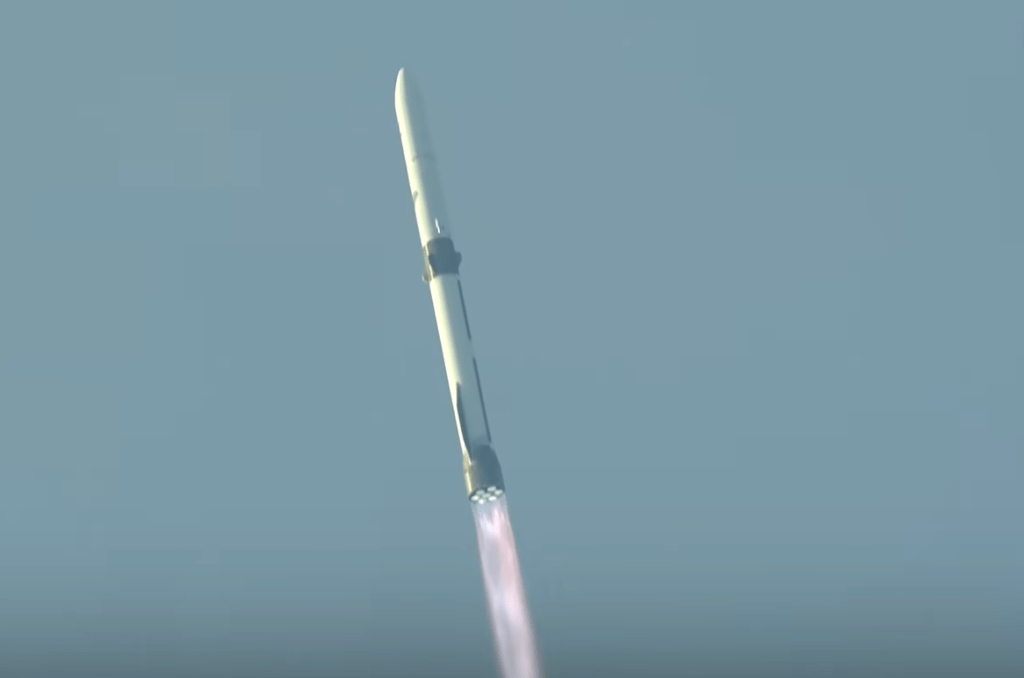
On April 19, 2026, Blue Origin successfully launched and recovered a New Glenn rocket booster for the first time, marking a significant achievement in the company’s pursuit of reusable spaceflight technology. This mission, the third for the New Glenn series, underscores Blue Origin’s commitment to developing cost-effective and sustainable access to space.
Mission Overview
The mission commenced at 7:35 a.m. local time from Cape Canaveral, Florida. The primary objective was to deploy a communications satellite for AST SpaceMobile into orbit. Approximately ten minutes post-launch, the New Glenn booster executed a precise landing on a drone ship stationed in the Atlantic Ocean, demonstrating the vehicle’s reusability.
Significance of Reusability
Achieving booster reusability is pivotal for Blue Origin’s economic model. By refurbishing and relaunching rockets, the company aims to reduce launch costs, thereby enhancing its competitiveness in the commercial space sector. This approach mirrors the successful strategy employed by SpaceX with its Falcon 9 rockets, which has set a benchmark in the industry.
Challenges Encountered
Despite the successful booster recovery, the mission faced challenges with the satellite deployment. The upper stage of the New Glenn rocket placed the AST SpaceMobile satellite into an orbit lower than intended. Consequently, the satellite cannot sustain operations and will need to be de-orbited. AST SpaceMobile has confirmed that the satellite powered on after separation but acknowledged the orbit discrepancy.
Historical Context
The New Glenn rocket has been in development for over a decade, with its inaugural flight occurring in January 2025. The first mission achieved orbit but experienced a booster landing failure. The second mission, in November 2025, successfully deployed NASA spacecraft to Mars and marked the first successful booster landing. The recent mission represents the first instance of reusing a New Glenn booster, a critical step toward operational reusability.
Future Prospects
Blue Origin’s advancements with the New Glenn rocket are integral to its broader objectives, including supporting NASA’s lunar missions and deploying satellite constellations for global internet coverage. The company is also preparing to launch its first robotic moon lander later this year, further contributing to lunar exploration efforts.
Conclusion
The successful reuse of the New Glenn booster signifies a major milestone for Blue Origin, highlighting progress in reusable rocket technology. While challenges remain, particularly concerning payload deployment accuracy, the achievement underscores the company’s dedication to innovation and its role in shaping the future of space exploration.