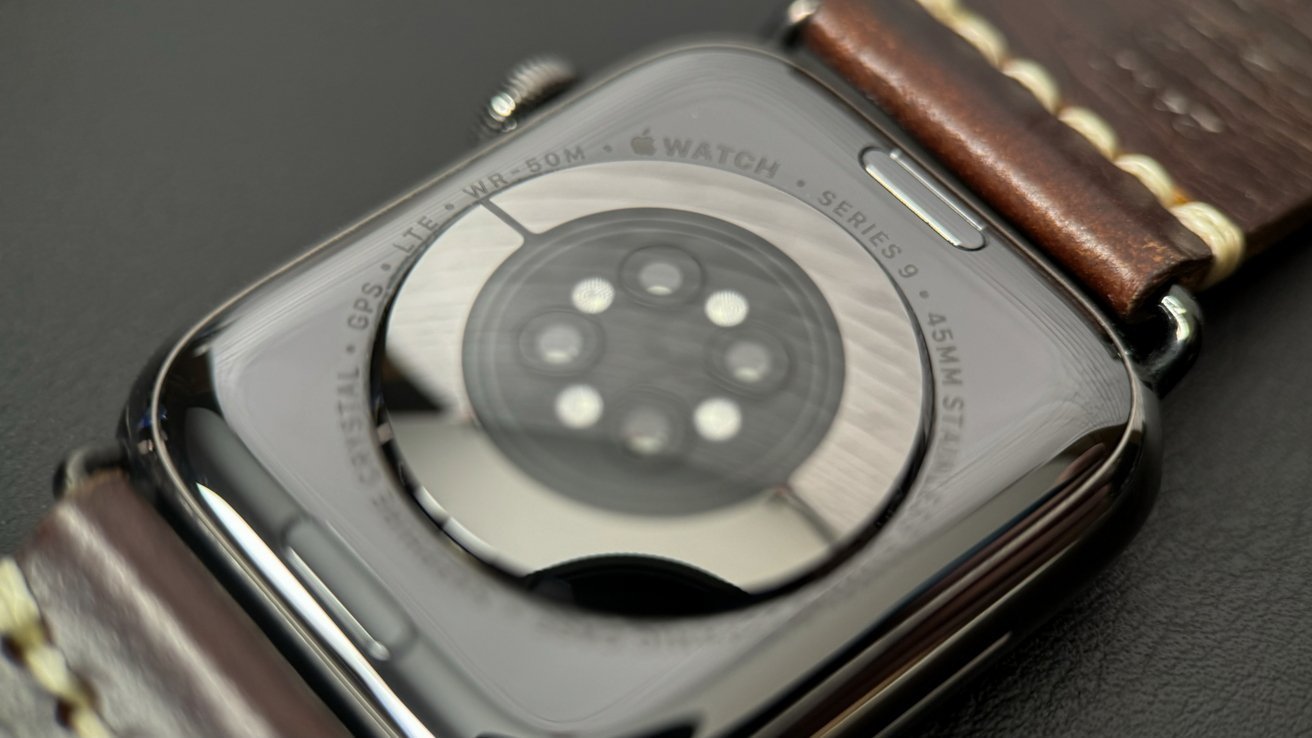
USITC Denies Masimo’s Attempt to Reinstate Apple Watch Import Ban
In a significant development within the ongoing legal battle between Apple Inc. and medical technology firm Masimo, the United States International Trade Commission (USITC) has declined Masimo’s request to reinstate an import ban on the Apple Watch. This decision effectively concludes the case concerning alleged infringements of Masimo’s blood oxygen monitoring patents by Apple.
Background of the Dispute
The conflict traces back to 2020 when Masimo initiated legal proceedings against Apple, alleging that the tech giant had infringed upon its patents related to blood oxygen measurement technology integrated into the Apple Watch. Masimo contended that Apple’s incorporation of this feature violated its intellectual property rights, leading to a series of legal confrontations.
Initial Rulings and Import Ban
In January 2023, the USITC ruled in favor of Masimo, determining that Apple had indeed infringed upon Masimo’s patents. This ruling resulted in an import ban on Apple Watch models equipped with the contested blood oxygen monitoring feature. Apple responded by implementing a software update that disabled the feature in the United States, aiming to comply with the ban while continuing sales of the device.
Apple’s Countermeasures and Legal Maneuvers
Apple’s strategy involved modifying the Apple Watch’s software to circumvent the patent infringement claims. By disabling the blood oxygen monitoring feature, Apple sought to align with the USITC’s ruling without halting the sale of its popular wearable device. This move was deemed sufficient by the U.S. Customs and Border Protection Agency in January 2024, which concluded that the modified Apple Watch no longer infringed upon Masimo’s patents.
Masimo’s Appeal and USITC’s Final Decision
Undeterred, Masimo pursued further legal action, seeking to have the import ban reinstated. The company filed a request for the USITC to review its preliminary ruling and reimpose the ban. However, on April 17, 2026, the USITC declined to revisit the preliminary decision and officially closed the case. The commission determined that the Apple Redesign 2 Watch, referring to Apple’s software-modified version, did not infringe upon Masimo’s patents.
Statements from Apple and Masimo
Following the USITC’s decision, an Apple spokesperson expressed gratitude for the ruling, emphasizing the company’s commitment to delivering health features to its users. The spokesperson highlighted that Masimo’s extensive legal campaign over the past six years had largely been unsuccessful, with most claims being rejected. Apple reaffirmed its dedication to defending its innovations and focusing on providing top-tier products and services.
Masimo, on the other hand, has the option to appeal the USITC’s decision to the U.S. Court of Appeals for the Federal Circuit. The company has not yet announced its intentions regarding a potential appeal.
Chronology of the Legal Battle
– 2020: Masimo files a lawsuit against Apple in the U.S. District Court for the Central District of California, alleging patent infringement related to blood oxygen monitoring technology.
– 2021: Masimo escalates the dispute by filing a complaint with the USITC, seeking an import ban on Apple Watch models featuring the contested technology.
– 2023: The initial lawsuit concludes with a mistrial due to a lack of unanimous verdict. However, the USITC rules in favor of Masimo, leading to an import ban on certain Apple Watch models.
– 2024: Apple implements a software update disabling the blood oxygen monitoring feature in the U.S., which the U.S. Customs and Border Protection Agency deems sufficient to comply with the USITC’s ruling.
– 2025: Masimo secures a $634 million verdict in a federal jury trial, marking a significant financial judgment against Apple. Despite this, Apple continues to contest the claims and pursues appeals.
– 2026: The USITC denies Masimo’s request to reinstate the import ban, effectively closing the case on the alleged patent infringement.
Implications and Future Outlook
The USITC’s decision represents a notable victory for Apple, allowing the company to continue offering the Apple Watch with its health monitoring features intact. This outcome underscores the complexities of patent disputes in the technology sector, where companies often engage in prolonged legal battles over intellectual property rights.
For Masimo, the ruling is a setback in its efforts to protect its patents and market share in the medical technology industry. The company’s next steps remain uncertain, but the option to appeal the decision provides a potential avenue for further legal action.
Conclusion
The resolution of this case highlights the intricate interplay between innovation, intellectual property rights, and legal frameworks in the tech industry. As companies like Apple and Masimo continue to develop cutting-edge technologies, the importance of clear patent protections and fair competition remains paramount. The outcome of this dispute may influence future cases and the strategies companies employ to safeguard their innovations.