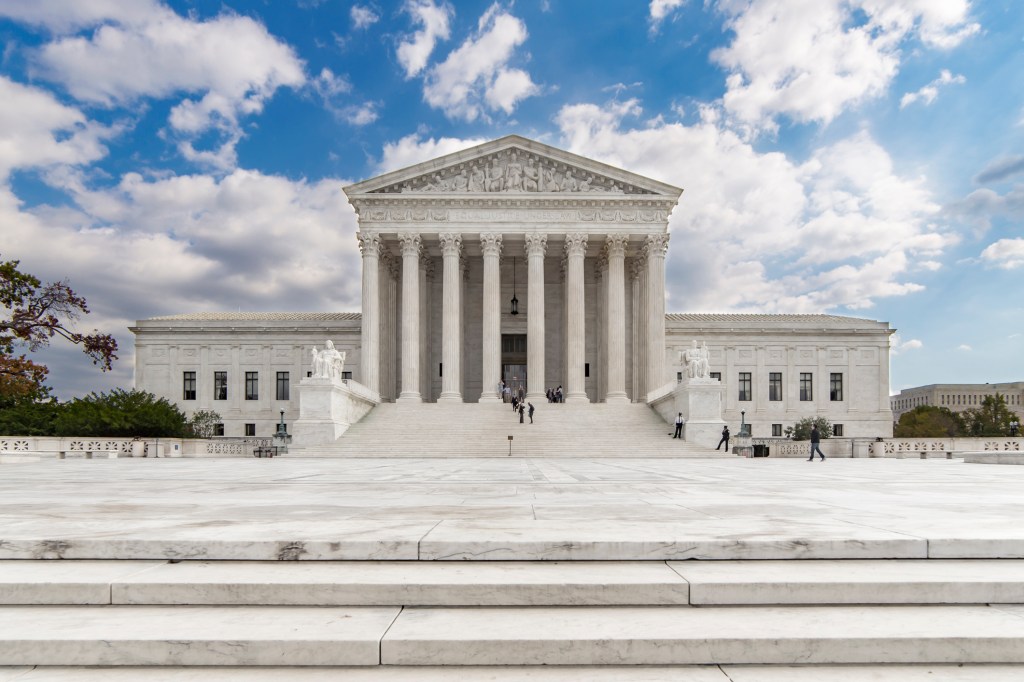
Hacker of U.S. Supreme Court Filing System Receives Probation Sentence
In a recent legal development, Nicholas Moore, a 24-year-old resident of Springfield, Tennessee, was sentenced to one year of probation after admitting to unauthorized access of the U.S. Supreme Court’s electronic document filing system. This sentencing, delivered on April 17, 2026, marks the culmination of a series of cyber intrusions that spanned several months.
The Cyber Intrusions
Between August and October 2023, Moore executed multiple unauthorized entries into the Supreme Court’s electronic filing system. Utilizing credentials obtained from one of his victims, he infiltrated not only the Supreme Court’s system but also the networks of AmeriCorps—a federal agency overseeing volunteer programs—and the Department of Veterans Affairs, which provides services to military veterans.
Public Disclosure and Legal Proceedings
Moore’s activities came to light when he openly boasted about his exploits on an Instagram account named @ihackedthegovernment. On this platform, he shared personal information of individuals he had compromised, drawing significant attention to his actions. Initially, Moore faced potential penalties of up to one year in prison and fines amounting to $100,000. However, prosecutors later recommended a sentence of probation.
During the sentencing hearing, Moore expressed remorse, stating, I made a mistake. I am truly sorry. I respect laws, and I want to be a good citizen.
Broader Implications
This case underscores the persistent vulnerabilities within critical government systems and the challenges associated with safeguarding sensitive information. It also highlights the evolving nature of cyber threats and the importance of robust cybersecurity measures.
Comparative Cases
The sentencing of Moore is notably lenient compared to other high-profile cybercrime cases. For instance, in 2013, Andrew Auernheimer, known as Weev, was sentenced to 41 months in prison for exploiting a security flaw in AT&T’s system, which exposed the email addresses of 114,000 iPad users. Similarly, in 2025, Eric Council Jr. received a 14-month prison sentence for hacking the U.S. Securities and Exchange Commission’s Twitter account to falsely announce the approval of Bitcoin exchange-traded funds, causing market disruptions.
Legal Context
The Computer Fraud and Abuse Act (CFAA) serves as the primary federal statute addressing computer-related offenses. However, interpretations of the CFAA have varied over time. In a landmark 2021 ruling, the Supreme Court limited the scope of the CFAA, determining that individuals who access information they are authorized to view, even for improper purposes, do not necessarily violate the act. This decision has influenced subsequent legal proceedings and sentencing in cybercrime cases.
Conclusion
Nicholas Moore’s case serves as a reminder of the critical need for stringent cybersecurity protocols within government agencies. It also reflects the judicial system’s approach to balancing punitive measures with opportunities for rehabilitation in the realm of cyber offenses.