Android Devices Immune to iPhone’s Tap-to-Pay Vulnerability
In the realm of mobile payments, tap-to-pay technology has become ubiquitous, offering users a convenient and secure method to conduct transactions. However, recent revelations have brought to light a significant vulnerability affecting iPhone users—a flaw that, notably, does not impact Android devices.
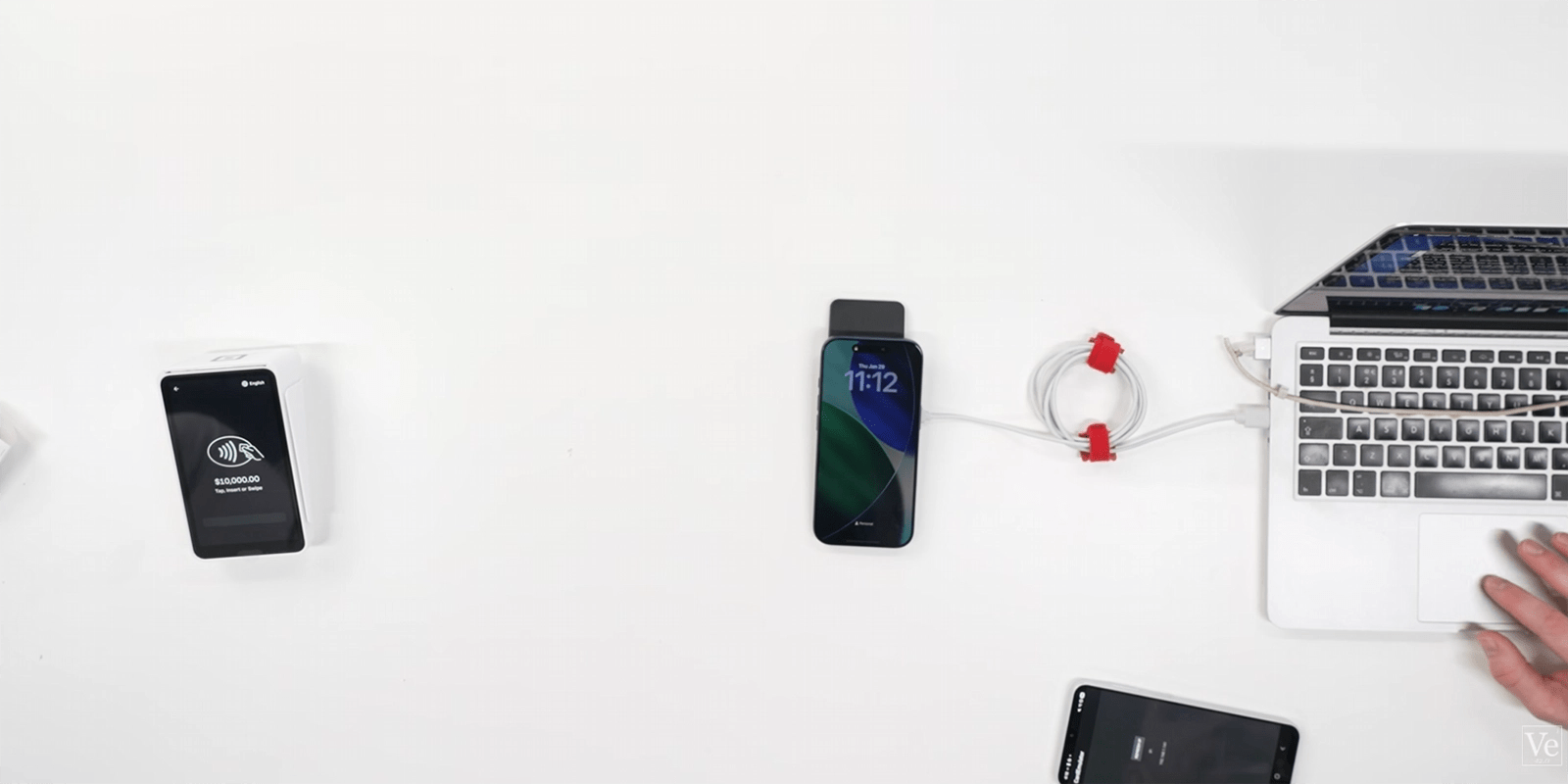
A comprehensive analysis by Veritasium has uncovered a longstanding security loophole in Apple’s tap-to-pay system. This vulnerability enables unauthorized large transactions without the need to unlock the device. The exploit operates by deceiving the iPhone into recognizing a fraudulent transit system, thereby bypassing standard security protocols. This is facilitated through the iPhone’s Express Mode, a feature designed to allow seamless transit payments without unlocking the device. Compounding the issue, a specific flaw in Visa’s processing system permits these substantial transactions to proceed unflagged when conducted in this manipulated transit context.
The mechanics of this exploit are intricate, requiring specialized hardware and a rooted Android device functioning as a card emulator. While Apple has identified Visa as the primary source of the problem, Visa contends that such an attack is improbable in real-world scenarios and assures users that any fraudulent transactions would be covered under the Visa Zero Liability Policy. Both companies have been aware of this vulnerability since 2021, yet it remains unaddressed.
In contrast, Android devices are not susceptible to this specific attack. Samsung’s payment system, for instance, actively flags large transactions made through transit modes, adding an extra layer of security. Similarly, Google Wallet mandates that the device screen be turned on for payments, even when the device is locked, thereby preventing unauthorized transactions. Furthermore, Google has been enhancing the Wallet app’s security by integrating biometric authentication, reinforcing user protection beyond payment functionalities.
This disparity underscores the importance of robust security measures in mobile payment systems. While the iPhone’s Express Mode offers convenience, it also introduces potential risks that have yet to be fully mitigated. Android’s proactive security protocols serve as a benchmark, highlighting the necessity for continuous vigilance and improvement in safeguarding user transactions.
As mobile payment technologies continue to evolve, it is imperative for both consumers and developers to remain informed about potential vulnerabilities and to advocate for stringent security standards. The current situation serves as a reminder that convenience should never come at the expense of security.