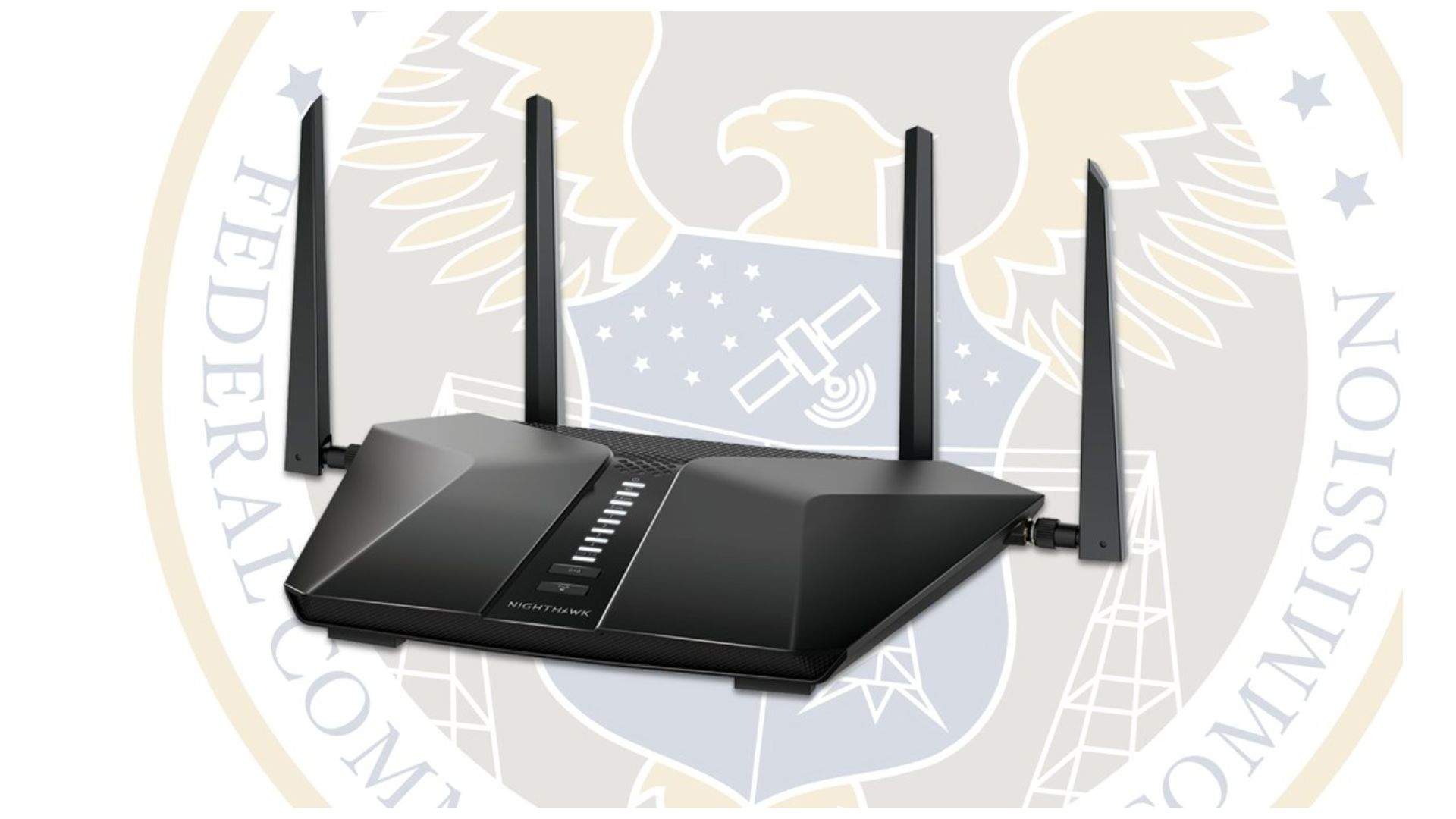
FCC Grants Netgear Exclusive Rights to High-Power 6GHz Wi-Fi, Shaking Up U.S. Router Market
In a landmark decision, the Federal Communications Commission (FCC) has granted Netgear a unique waiver, allowing the company to operate its routers at higher power levels on the 6GHz frequency band. This move positions Netgear at the forefront of the U.S. router market, offering consumers enhanced Wi-Fi performance ahead of its competitors.
Understanding the 6GHz Frequency Band
The 6GHz band is a relatively new addition to the Wi-Fi spectrum, offering increased bandwidth and reduced interference. Devices operating on this band can deliver faster data rates and more reliable connections, especially in densely populated areas where lower frequency bands are often congested. However, to prevent interference with existing services, the FCC imposes strict regulations on power levels for devices operating in this spectrum.
Netgear’s Strategic Advantage
With the FCC’s waiver, Netgear can now market routers that utilize higher power levels on the 6GHz band, resulting in stronger signals and improved range. This development is particularly beneficial for users in larger homes or offices, where maintaining a consistent and robust Wi-Fi connection can be challenging.
While Netgear moves forward with its high-power 6GHz routers, other major manufacturers like Asus and TP-Link are still awaiting similar approvals. This regulatory delay creates a temporary monopoly for Netgear in the high-performance router segment, potentially influencing consumer choices and market dynamics.
Implications for Consumers
For consumers seeking the latest in Wi-Fi technology, Netgear’s new offerings present an attractive option. However, the lack of competition in this specific segment may lead to higher prices and limited choices until other manufacturers receive the necessary approvals. It’s essential for consumers to weigh the benefits of immediate access to advanced technology against the potential cost implications.
Industry Reactions and Future Outlook
Industry experts are closely monitoring the situation to see how this regulatory decision will impact the broader market. The FCC’s move underscores the importance of balancing innovation with fair competition. As other manufacturers navigate the approval process, the market is expected to diversify, offering consumers a broader range of high-performance routers.
In the meantime, Netgear’s strategic positioning highlights the significance of regulatory agility in the tech industry. Companies that can swiftly adapt to regulatory changes and secure necessary approvals may gain a competitive edge, influencing market trends and consumer preferences.
Conclusion
The FCC’s decision to grant Netgear exclusive rights to operate at higher power levels on the 6GHz band marks a significant shift in the U.S. router market. While consumers benefit from immediate access to enhanced Wi-Fi performance, the temporary lack of competition raises questions about pricing and choice. As the regulatory landscape evolves, it will be crucial for both consumers and industry players to stay informed and adaptable.