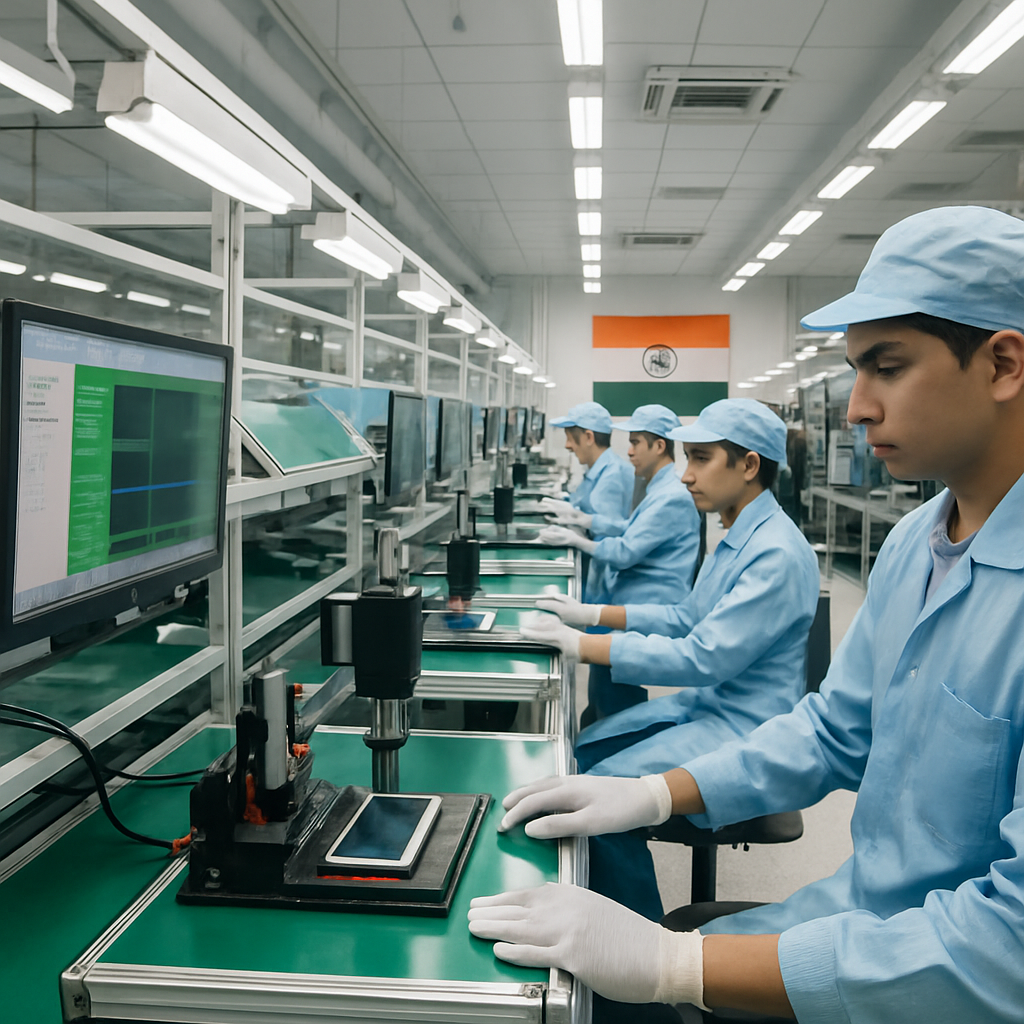
Apple’s ‘Baltra’ AI Server Chip: Pioneering Glass Substrate Integration
Apple is advancing its custom artificial intelligence (AI) hardware initiatives by testing advanced glass substrates for its forthcoming ‘Baltra’ AI server chip. This strategic move underscores Apple’s commitment to gaining greater control over its chip design and packaging processes.
According to reports from The Elec, Samsung Electro-Mechanics has been supplying glass substrate samples to Apple since the previous year. This collaboration highlights Apple’s proactive approach in evaluating cutting-edge materials to enhance the performance and reliability of its AI hardware.
Understanding Substrates in Chip Design
In semiconductor manufacturing, a substrate serves as the foundational layer upon which a chip is built. Traditionally, substrates have been composed of organic materials. However, the transition to glass substrates offers several advantages:
– Enhanced Flatness: Glass substrates provide a more uniform surface, which is crucial for the precise layering of semiconductor components.
– Improved Thermal Stability: Glass exhibits superior resistance to temperature-induced expansion and contraction, reducing the risk of warping during operation.
– Increased Reliability: The inherent properties of glass contribute to the overall durability and longevity of the chip.
These benefits become increasingly significant as AI chips grow in size and complexity, particularly with the adoption of chiplet-based architectures where multiple smaller chips, or chiplets, are integrated into a single package to perform various functions.
Apple’s Strategic Shift Towards In-House Control
Apple’s collaboration with Broadcom on the development of the Baltra chip, expected to utilize TSMC’s advanced 3nm process, is well-documented. However, the decision to directly test glass substrates indicates a deliberate effort by Apple to exert more influence over the packaging aspects of its AI hardware.
An industry insider emphasized the importance of quality and consistency in this endeavor:
> The key to success lies not merely in the speed of mass production, but in building trust by consistently delivering the quality and specifications that our customers demand.
This approach aligns with Apple’s historical pattern of bringing critical technologies in-house. By assessing materials like glass substrates early in the development process, Apple positions itself to assume greater responsibility for the design and packaging of its AI hardware, while still leveraging partnerships during the transitional phase.
Implications for the Semiconductor Industry
Samsung Electro-Mechanics stands to benefit if Apple proceeds with integrating glass substrates into its production, especially as Samsung aims for mass production of these materials post-2027. For now, Apple’s testing phase signifies a foundational step toward the next generation of AI infrastructure.
The adoption of glass substrates could set a new industry standard, prompting other tech giants to explore similar materials to enhance chip performance and reliability. This shift may lead to increased investments in glass substrate technology and a reevaluation of existing semiconductor manufacturing processes.
Conclusion
Apple’s exploration of glass substrates for its Baltra AI server chip reflects a strategic move to enhance control over its hardware design and packaging. By embracing this advanced material, Apple aims to improve the performance, thermal stability, and reliability of its AI hardware, positioning itself at the forefront of semiconductor innovation.