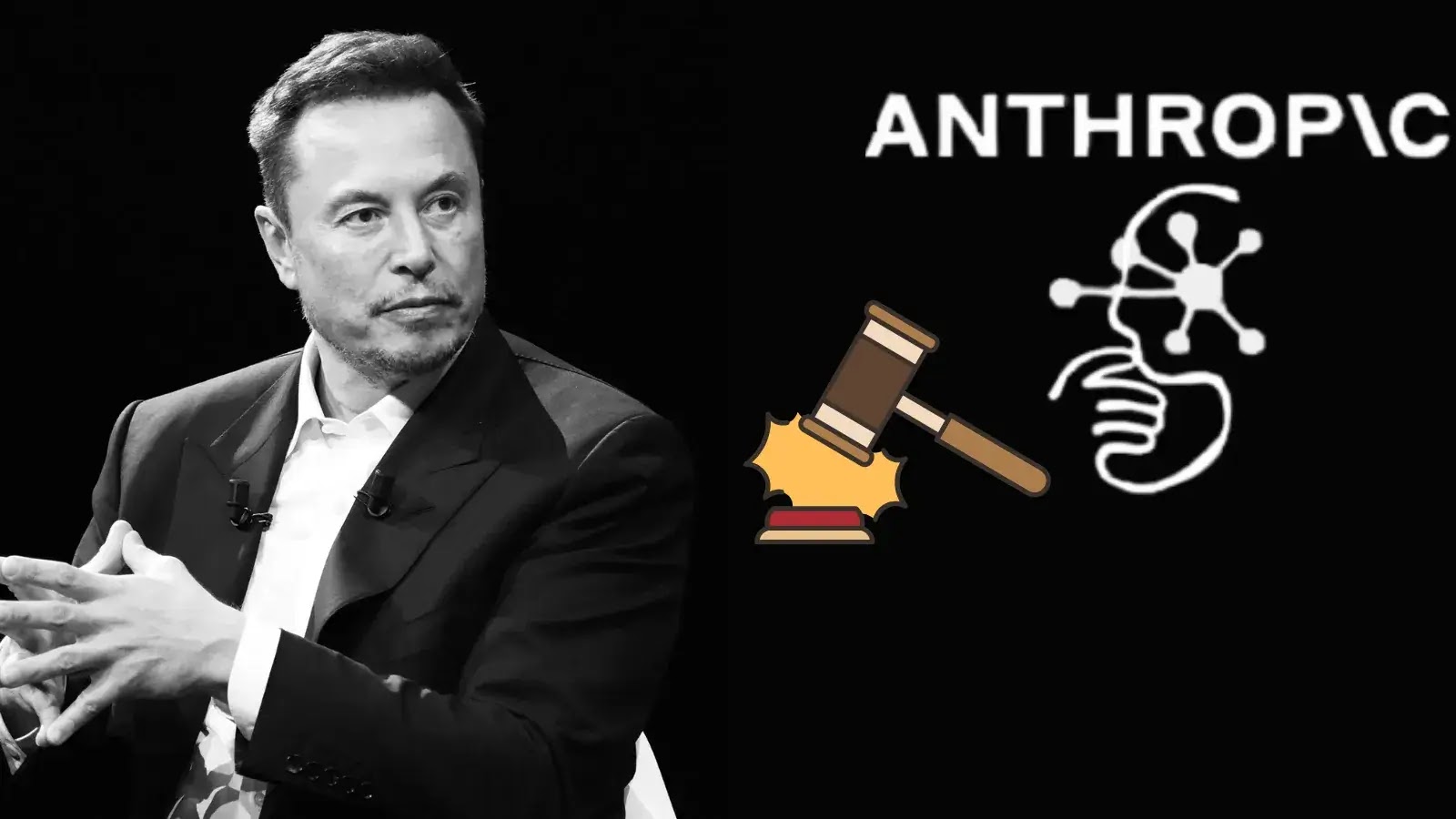
Elon Musk Accuses Anthropic of Massive Data Theft in AI Training
Elon Musk, CEO of Tesla and founder of xAI, has recently accused artificial intelligence company Anthropic of engaging in large-scale data theft to train its AI models. Musk alleges that this unauthorized data acquisition has led to Anthropic paying settlements amounting to billions of dollars.
The controversy emerged when Musk responded to user-generated Community Notes on X, the social media platform he owns. These notes criticized Anthropic’s data collection practices, prompting Musk to assert that the company is guilty of stealing training data at massive scale and has consequently faced substantial financial penalties.
This dispute underscores a broader conflict within the AI industry regarding the methods used to gather data for training large language models. Developing advanced AI systems necessitates vast amounts of text, images, and other data, much of which is sourced from the internet. The legality and ethics of using copyrighted or proprietary data without explicit permission have become significant points of contention among technology leaders and content creators.
Anthropic, known for its Claude AI model, positions itself as a company dedicated to AI safety and responsible development. Founded by former OpenAI employees who departed due to disagreements over commercialization and safety priorities, Anthropic has yet to publicly respond to Musk’s allegations.
The accusations come at a time when AI companies are vying for dominance in a rapidly evolving field with unclear legal frameworks. Data scraping practices for AI training have already led to multiple lawsuits across the industry. Authors, news organizations, and software developers have initiated legal actions against various AI companies, alleging that their work was used without compensation or credit.
These legal battles challenge the fair use doctrine, which permits limited use of copyrighted material without permission. The outcomes of these cases could significantly influence the future of AI development. If courts determine that current data scraping practices violate copyright laws, AI companies may face substantial financial penalties and be compelled to alter their data collection methods. This could potentially slow the pace of AI advancement or necessitate new licensing agreements with content creators, fundamentally changing the industry’s economics.
As the AI sector continues to expand, the ethical and legal considerations surrounding data usage remain critical issues. The resolution of disputes like the one between Musk and Anthropic will likely have far-reaching implications for the development and deployment of artificial intelligence technologies.