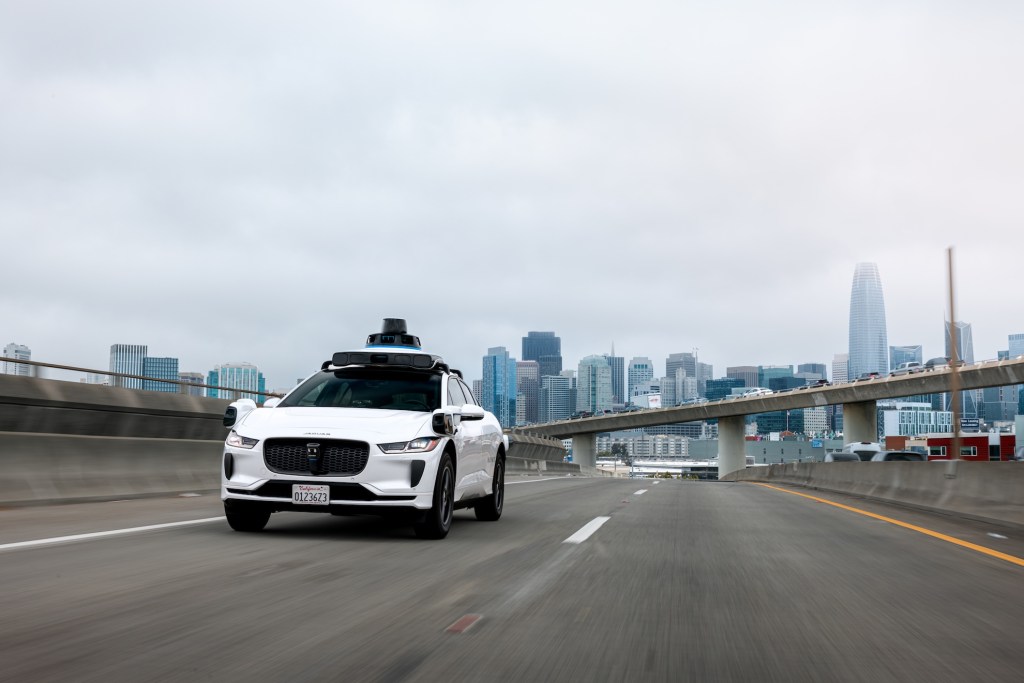
Waymo’s Global Strategy: Balancing Innovation with Safety and Transparency
In the rapidly evolving landscape of autonomous vehicles (AVs), Waymo, a subsidiary of Alphabet Inc., has consistently positioned itself at the forefront of innovation. However, recent developments have placed the company under scrutiny, particularly concerning its operational practices and commitment to safety.
Senate Commerce Committee Testimony
Earlier this month, Mauricio Peña, Waymo’s Chief Safety Officer, appeared before the Senate Commerce Committee to discuss the company’s autonomous vehicle operations. The hearing, intended to educate the public on AV technology, took an unexpected turn when Senator Ed Markey raised concerns about Waymo’s reliance on overseas personnel for remote assistance. Specifically, the senator questioned the employment of workers in the Philippines who assist Waymo’s vehicles during navigation challenges or emergencies. Markey expressed apprehension about individuals without U.S. driver’s licenses influencing vehicles on American roads.
Waymo’s Clarification and Operational Insights
In response to the concerns raised, Ryan McNamara, Waymo’s Head of Global Operations, addressed the issue in a detailed blog post. He emphasized that Waymo’s self-driving system remains in full control of the vehicles at all times. The role of remote assistance (RA) workers is not to drive the vehicles but to provide specific information upon the system’s request. This distinction is crucial in understanding the operational dynamics of Waymo’s AVs.
Further elaborating on their support structure, Waymo introduced the concept of Event Response Teams (ERTs). These U.S.-based teams are certified to handle more complex tasks, such as responding to collisions, coordinating with law enforcement, assisting riders, collecting data for regulatory purposes, and managing towing operations. This layered approach ensures that while remote assistance provides immediate support, more intricate situations are managed by specialized personnel on the ground.
Global Workforce and Operational Scale
Waymo’s operational scale is impressive. With a fleet of approximately 3,000 vehicles, the company logs over 4 million miles weekly and facilitates more than 400,000 rides. To support this extensive operation, Waymo employs around 70 Remote Assistance agents at any given time. These agents are strategically located in Arizona, Michigan, and two cities in the Philippines. The decision to incorporate overseas workers has been a point of contention, with some lawmakers questioning the implications for safety and oversight.
Safety and Transparency: A Delicate Balance
The debate surrounding Waymo’s use of international personnel underscores a broader challenge in the AV industry: balancing rapid technological advancement with safety and transparency. While leveraging a global workforce can offer operational efficiencies and cost benefits, it also raises questions about regulatory compliance, quality control, and public trust.
Waymo’s proactive approach in addressing these concerns reflects its commitment to maintaining a transparent dialogue with regulators and the public. By delineating the roles of remote assistance and event response teams, the company aims to reassure stakeholders of its dedication to safety and operational integrity.
Looking Ahead: The Future of Autonomous Vehicles
As the autonomous vehicle industry continues to evolve, companies like Waymo will inevitably face increased scrutiny. The integration of global operations necessitates robust safety protocols, clear communication channels, and unwavering transparency. For Waymo, the recent Senate hearing serves as a reminder of the importance of aligning innovative practices with public expectations and regulatory standards.
In conclusion, while Waymo’s global strategy offers promising avenues for growth and innovation, it also highlights the complexities inherent in deploying autonomous vehicles on a large scale. The company’s ongoing efforts to address safety concerns and maintain transparency will be pivotal in shaping the future of autonomous transportation.