Apple’s iOS 27: Enhanced Customization and Refinements on the Horizon
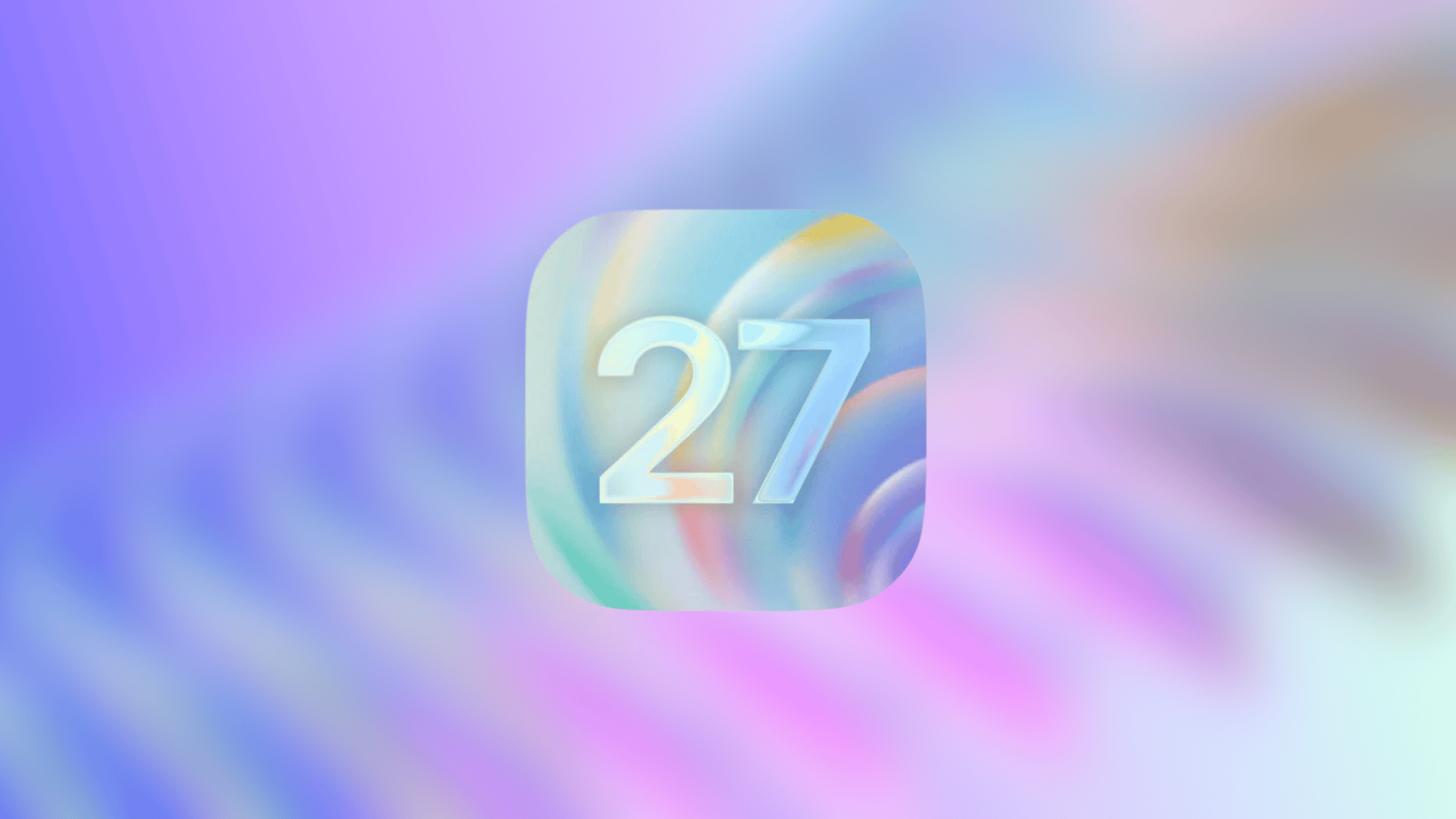
Apple is gearing up to unveil iOS 27, the latest iteration of its mobile operating system, with a focus on enhancing user customization and refining the existing interface. Building upon the Liquid Glass design introduced in iOS 26, this update aims to address user feedback and provide a more personalized experience.
Introducing the Transparency Slider
One of the standout features anticipated in iOS 27 is the introduction of a systemwide transparency slider. Currently, users have limited options to adjust the transparency effects of the Liquid Glass design—either opting for a clear or tinted appearance. This binary choice has been a point of contention for users seeking more granular control over their device’s aesthetics.
According to reports, Apple had initially intended to implement this slider during the development of iOS 26. While the feature was successfully integrated into the lock screen clock, technical challenges prevented its broader application across app folders and the home screen. With iOS 27, Apple is expected to overcome these hurdles, allowing users to fine-tune the transparency levels to their preference, thereby enhancing both visual appeal and usability.
Addressing Interface Usability
Beyond the transparency adjustments, iOS 27 is set to introduce a series of minor yet impactful interface tweaks aimed at improving overall usability. The comprehensive visual overhaul that accompanied iOS 26 brought a fresh aesthetic but also introduced certain usability challenges.
For instance, in the current music app layout, the player interface often minimizes, requiring users to tap the screen to access basic controls—a design choice that has been met with criticism. In response, Apple plans to refine such elements, ensuring that essential controls are more accessible and the interface is more intuitive.
These incremental changes reflect Apple’s commitment to continuous improvement, drawing parallels to the gradual refinements that followed the release of iOS 7. By focusing on user feedback and addressing specific pain points, iOS 27 aims to deliver a more seamless and enjoyable user experience.
The Evolution of Liquid Glass Design
The Liquid Glass design language, characterized by its layered translucency and dynamic interactions, marked a significant shift in Apple’s visual approach with iOS 26. While it introduced a modern and cohesive aesthetic across Apple’s ecosystem, it also sparked discussions regarding readability and user comfort.
In response to these discussions, Apple has been proactive in offering customization options. The upcoming transparency slider in iOS 27 is a testament to this, providing users with the ability to adjust the design’s intensity to their liking. This move not only enhances personalization but also addresses concerns related to visual strain and accessibility.
Looking Ahead: iOS 27 and Beyond
As Apple prepares to unveil iOS 27, the emphasis on user-centric design and customization is evident. By introducing features like the transparency slider and refining interface elements, Apple demonstrates its dedication to evolving its software in line with user needs and preferences.
The anticipated announcement at the upcoming Worldwide Developers Conference (WWDC) in June is expected to provide a comprehensive overview of these changes. Developers and users alike are keen to explore how these enhancements will translate into daily interactions with their devices.
In conclusion, iOS 27 represents a thoughtful progression in Apple’s software development, balancing aesthetic innovation with practical usability. By addressing user feedback and offering greater control over the interface, Apple continues to set the standard for intuitive and personalized mobile experiences.