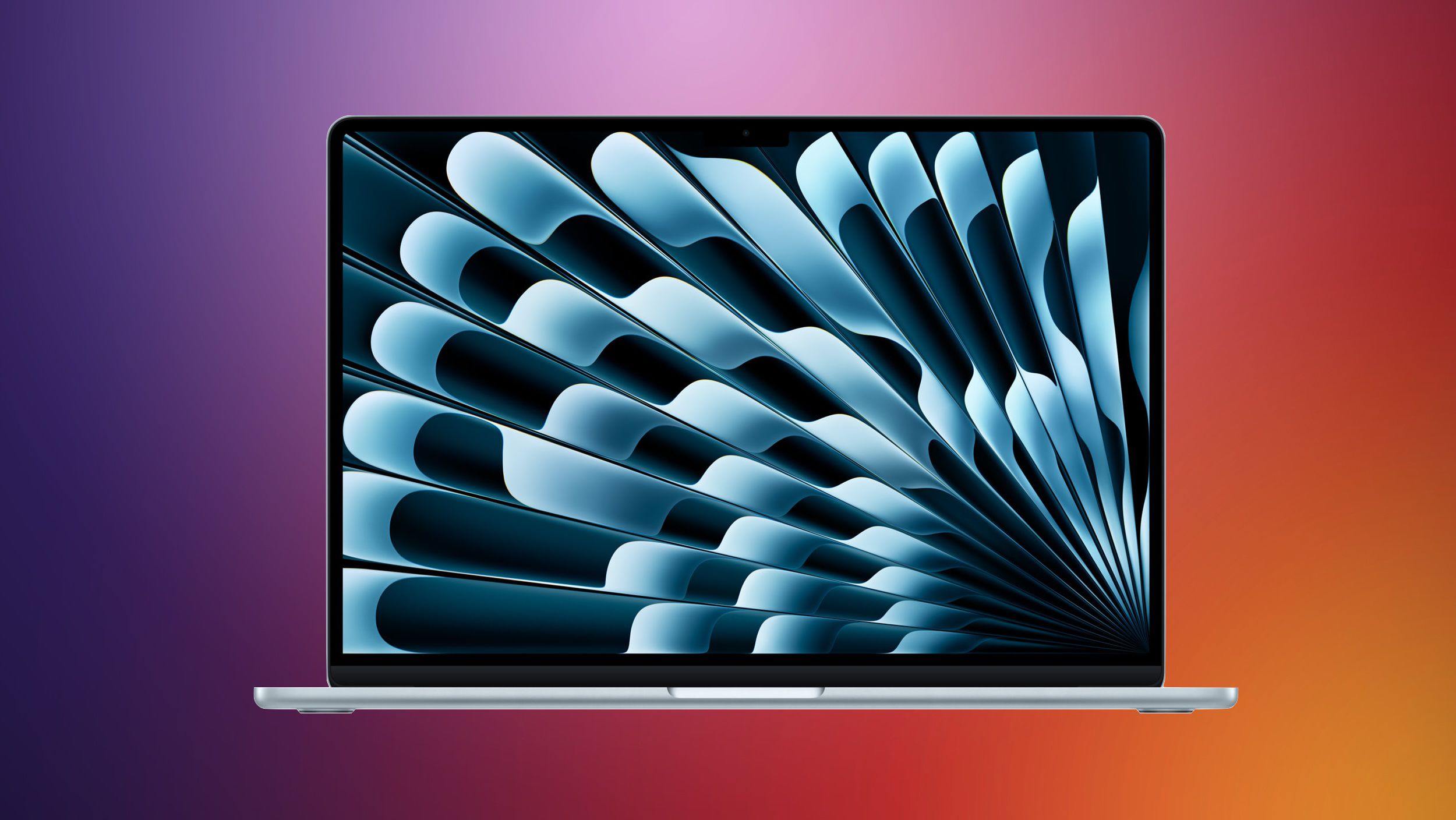
Anticipating the M5 MacBook Air: Release Date, Features, and Performance Insights
Apple’s MacBook Air has long been celebrated for its sleek design and efficient performance, making it a favorite among users seeking portability without compromising power. With the M4 model still fresh in the market, attention is already shifting toward its anticipated successor, the M5 MacBook Air. By analyzing Apple’s silicon development trajectory, release patterns, and historical upgrades, we can construct a comprehensive overview of what to expect from this upcoming device.
Release Timing and Pricing
Apple has established a pattern of refreshing the MacBook Air lineup in the spring. Following the introduction of the M2 model with a redesigned chassis in mid-2022, the company skipped a 2023 update but subsequently released the M3 and M4 versions in March 2024 and March 2025, respectively. This trend suggests a potential March 2026 launch for the M5 MacBook Air. Bloomberg’s Mark Gurman supports this timeline, indicating that Apple plans to unveil M5-equipped MacBook Air models in the first quarter of 2026. As for pricing, it’s anticipated that Apple will maintain the current structure, with the base model starting at $999.
Processor Upgrade
The centerpiece of the upcoming MacBook Air is expected to be Apple’s M5 chip. Manufactured using TSMC’s advanced 3-nanometer process technology, the M5 chip is poised to deliver notable performance enhancements. Recent benchmarks from a next-generation iPad Pro equipped with the M5 chip reveal single-core scores around 4,133 and multi-core scores approximately 15,437. These figures represent a 12-15% improvement over the M4 iPad Pro. Graphics performance is also set to see a significant boost, with the M5’s GPU expected to be up to 36% faster than its predecessor.
These improvements suggest that Apple is focusing on incremental enhancements in clock speeds and core efficiency rather than a complete architectural overhaul. Users can anticipate 10-15% faster CPU performance, a more robust GPU, and improved energy efficiency, potentially extending battery life. In practical terms, the M5 MacBook Air will offer a more responsive experience in everyday tasks, though it may not dramatically outperform the M4 in intensive workloads like video rendering.
Design and Display
Apple typically retains the same industrial design across multiple chip generations. The current MacBook Air design, introduced with the M2 model, remains contemporary and functional. Therefore, the M5 MacBook Air is expected to maintain the 13-inch and 15-inch sizes, fanless aluminum unibody construction, and existing display technology. While OLED displays are on Apple’s roadmap, they are likely reserved for the MacBook Pro line, with potential adoption in 2027.
Any physical changes to the M5 MacBook Air are expected to be subtle. Potential enhancements could include an improved webcam, support for next-generation wireless connectivity such as Wi-Fi 7 or Bluetooth LE Audio, and possibly new color options, similar to the Sky Blue variant introduced with the M4 model.
Future Outlook
Looking ahead, reports from Korea indicate that Apple plans to release a MacBook Air with an improved LCD display in 2027. This new display is expected to utilize Oxide TFT technology, offering better power efficiency and performance compared to the current amorphous silicon panels. Users can anticipate sharper images, smoother scrolling, and enhanced battery life. Additionally, faster pixel response times and more consistent brightness across the screen should reduce motion blur and provide more uniform lighting.
In summary, the M5 MacBook Air is set to build upon the strengths of its predecessors, offering incremental performance improvements and maintaining the design elements that have made it a popular choice among consumers. While major design overhauls and display upgrades are on the horizon, they are expected in subsequent iterations beyond the M5 model.