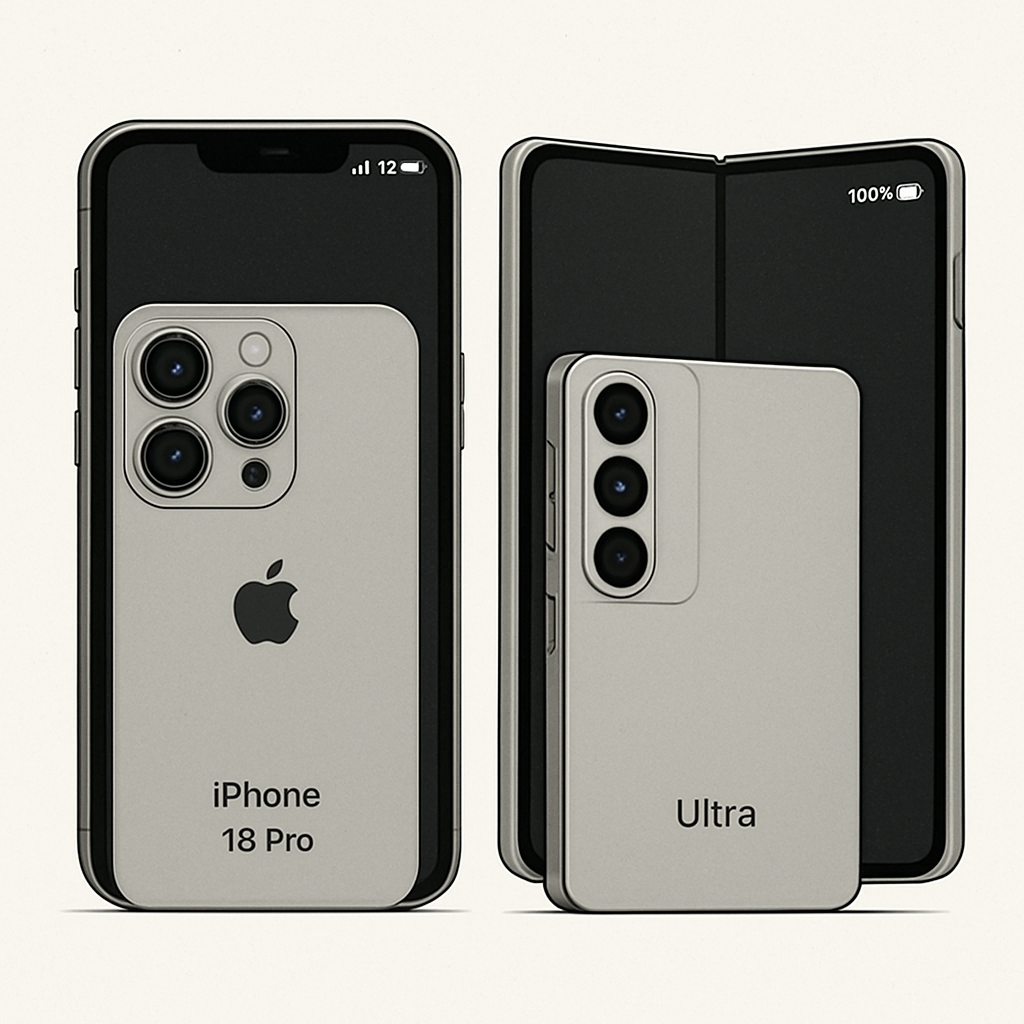
Apple’s new iPhone lineup has two high-profile contenders: the foldable-style iPhone Ultra, and the more traditional iPhone 18 Pro (including Pro Max). While the Ultra grabs attention with its novel design, recent leaks suggest the Pro models will actually lead in several key areas this fall. Here are four major advantages the iPhone 18 Pro is expected to deliver over the iPhone Ultra.
1. Main Camera with Variable Aperture
The iPhone 18 Pro is rumored to upgrade its Main camera with a variable aperture—a feature that can significantly enhance portrait shots, control depth of field, and improve performance in low light. The Ultra, however, may not include this enhancement, likely due to the physical constraints of its ultra-thin design. The added camera components needed for variable aperture tend to be bulkier, making them a poor fit for a foldable-style form factor.
2. Best-in-Class Battery on Pro Max
Leaked regulatory information points to impressive gains in battery under the hood for the Pro line. Specifically, the iPhone 18 Pro Max is expected to feature a battery about 10% larger than its predecessor, the iPhone 17 Pro Max. Combined with efficiency improvements in the new A20 Pro processor and upcoming C2 chip, this should make for the longest battery life ever in an iPhone. On the other hand, Ultra’s thinner, dual-display setup—and a smaller physical cell—will likely limit its battery performance in comparison.
3. Retention of Face ID Security
For years, Face ID has been Apple’s go-to face authentication system. iPhone 18 Pro is expected to stick with it, while the Ultra will reportedly rely only on Touch ID. Part of that decision appears to stem from space constraints: implementing Face ID in a foldable device with both an internal and external display would require duplicating several components. Given Ultra’s thin form, Apple may have simply decided it couldn’t accommodate the full Face ID system.
4. Superior Telephoto Camera
The Pro range will continue offering a dedicated telephoto camera, providing optical zoom that many users depend on for portraits, wildlife, or distant subjects. Ultra, however, is expected to stick with just the Main and Ultra Wide lenses—no telephoto. To make matters more interesting, Apple is rumored to be improving the telephoto lens on the Pro side this year with a larger aperture, which could boost low-light performance and overall image sharpness.
Bonus: Familiar Design and User Experience
Beyond technical specs, the iPhone 18 Pro offers something Ultra does not: a familiar, conventional iPhone experience. Ultra’s folding outer and inner displays, with unique shapes and usage, depart significantly from the single-display form most users know. For buyers who want something new and cutting-edge, that’s a plus—but for many who value reliability and ease of use, the traditional form may still hold more appeal.
The usual tradeoff with bold new designs is always compromise. In this case, the iPhone 18 Pro seems poised to win on camera versatility, battery endurance, secure facial recognition, and zoom capabilities, while Ultra leans on novelty and foldable form. Whether those advantages are enough to sway buyers will depend on price, durability, and how Ultra handles the realities of folding screens.
What this means: Apple appears to be playing both sides this fall—offering Ultra to capture the forward-looking foldable market while ensuring the Pro models retain leadership in critical areas. Buyers who prioritize photography, long battery life, and the most mature authentication features will likely find more value in Pro. But Ultra could still win over folks who want design first and can accept trade‐offs. The real test will be in hands-on impressions and how well Ultra handles everyday use.