Apple’s Magic Mouse turns 17 on October 20, 2026. Since its debut in 2009, it has touted multi-touch gestures and sleek appearance, but many design flaws have persisted unchanged. While it was once praised as innovative, the mouse has long struggled to live up to practical user needs — and many believe it’s time Apple finally fixed what’s been wrong for nearly two decades.
History & design trade-offs
The original Magic Mouse launched alongside iMacs in October 2009, priced at $69 for existing Mac customers. It introduced a multi-touch surface in place of traditional buttons, enabling taps, swipes, and scrolls without mechanical parts underneath. It was Apple embracing the idea of gesture control in peripherals just after multi-touch on iPhone had reshaped mobile input.
From early on, users reported issues: lack of middle-click support, missing gestures, Bluetooth connectivity problems on some Mac models, and a design that felt too flat, making longer use uncomfortable. Apple took six years to shift from standard AA batteries to a built-in rechargeable battery.
Deep flaws in Magic Mouse 2 & what’s still wrong
When the Magic Mouse 2 arrived in October 2015, it added a rechargeable battery and a Space Gray color, adding more finishes later. But two decisions quickly drew criticism.
First, the charging port was placed on the underside of the mouse. That established a key usability issue: it can’t be used while charging. Second, Apple chose not to include Force Touch like that used in its trackpad, which could have helped a flatter mouse feel more tactile and responsive during clicks.
In 2024 Apple replaced the Lightning port on newer units with USB-C but kept it underneath. The exterior shape, buttonless surface, low profile, and control scheme remain almost unchanged since 2015.
What a proper redesign could fix
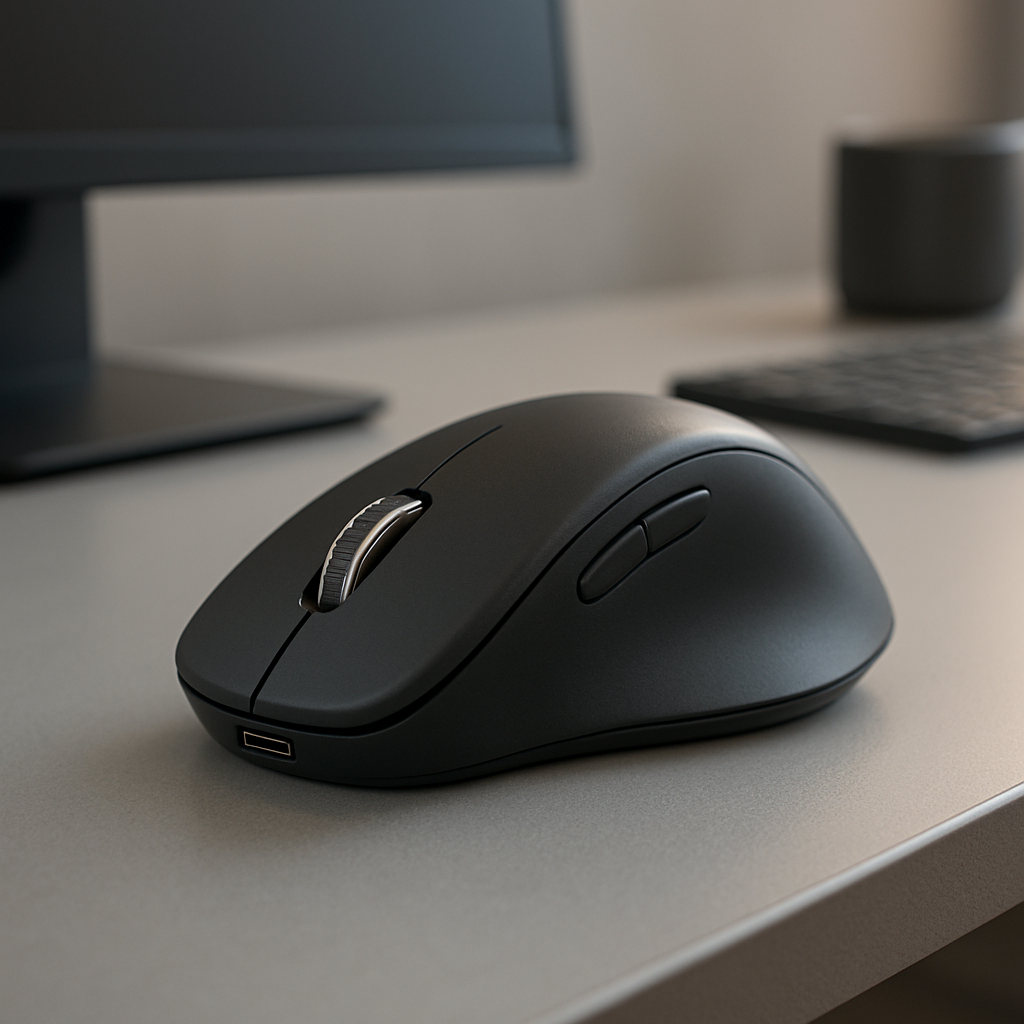
For a next-generation Magic Mouse to feel like an upgrade, Apple could make several major changes. Moving the charging port to the front or side would allow usage while plugged in. Re-introducing distinct left and right buttons might improve ergonomics and tactile feedback. Reshaping the body into a higher arch where the hand naturally rests would reduce wrist strain and make daily use easier.
Some trade-offs may arise: adding discrete buttons might alter gesture behavior, and increasing height changes the iconic silhouette. Yet competitors like Logitech’s MX Master line combine buttons and gesture input without sacrificing comfort.
Right now, the Magic Mouse remains largely what it was in 2009 — appealing in concept but limited in comfort. As it nears its 17th anniversary, the opportunity is there for Apple to transform it from collectible tech accessory into truly functional hardware. A thoughtful redesign would not only address long-standing complaints, but signal that Apple listens when form meets unmet function.