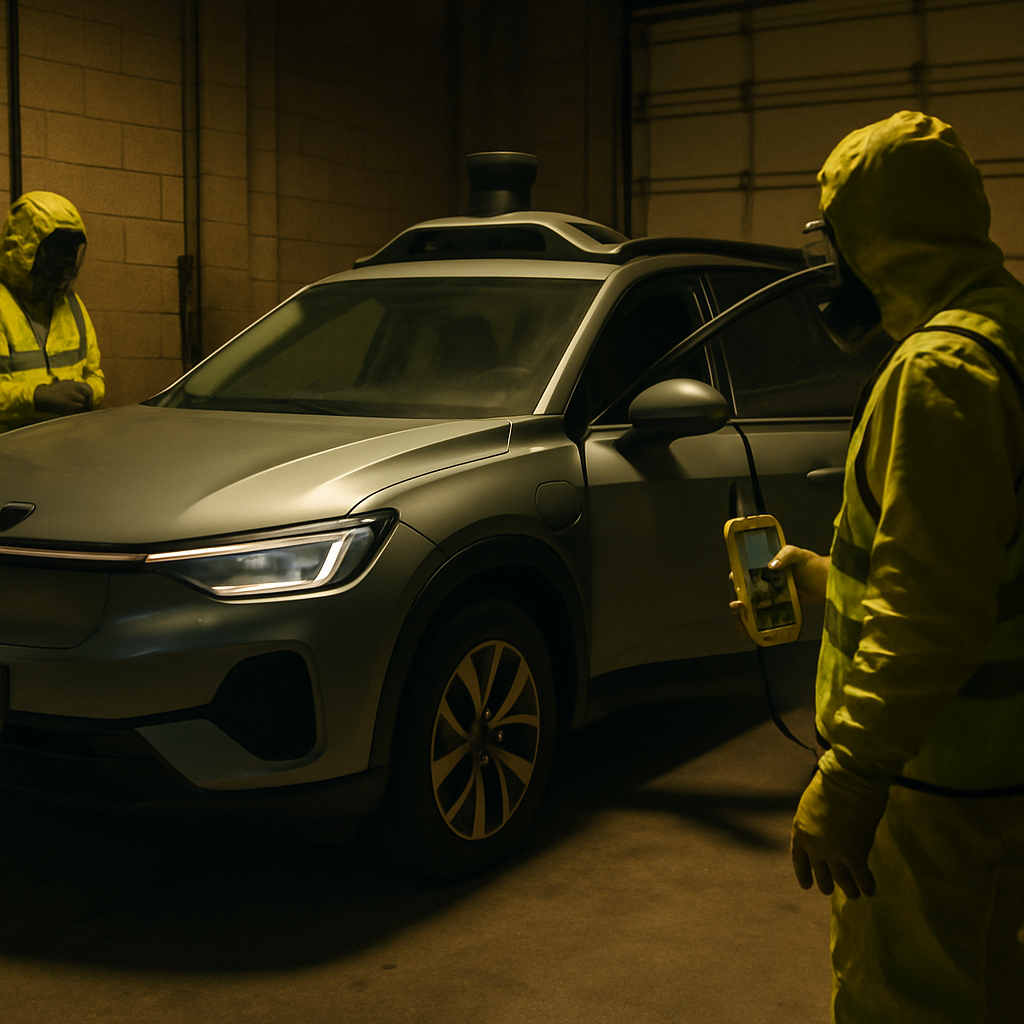
Zoox has suspended operations of its autonomous test vehicle fleet in Atlanta following reports from safety drivers who believe they were exposed to toxic gases inside the vehicles. The decision comes after symptoms such as nausea and lightheadedness, and prompted a formal complaint to the Occupational Safety and Health Administration (OSHA), which subsequently opened an inquiry.
Details of Exposure and Symptoms
In mid-August, multiple workers reported feeling ill during field operations, claiming they detected strange odors and exhibited symptoms consistent with exposure to gases like carbon monoxide (CO), carbon dioxide (CO₂), or hydrogen sulfide (H₂S). One of the most serious incidents occurred on August 14, when a vehicle full of safety drivers experienced intense symptoms—including vomiting—and were later sent back into service, only to suffer recurring issues that same day. Some contractors visited the emergency room, where doctors noted their symptoms aligned with CO exposure, despite CO not being detected in their systems.
Investigation, Findings, and Company Response
OSHA’s ongoing investigation, which has since been closed, explored claims made in a worker complaint. Zoox responded in a letter to OSHA on September 10, stating it had inspected vehicles for CO₂ leaks, replaced damaged 12-volt batteries that could generate hydrogen sulfide, and added alarming environments in a subset of the fleet. The company admitted that 28 employees had ridden in six test vehicles reported to be emitting an unexplained odor, and 10 workers voluntarily completed medical evaluations. Only one medical report cited actual exposure to CO₂, and CO—an odorless gas—was not definitively found by Zoox in any vehicle.
As a preventive and corrective measure, Zoox has implemented the installation of CO₂ detectors in its test vehicles. The company acknowledges gas emissions are a concern—particularly with internal combustion engine (ICE) vehicles—while many competitors in the robotaxi space rely on electric vehicles that do not produce exhaust gases. Modifications to Zoox’s ICE-based fleet include adding sensors, autonomy equipment, and features like an interior snorkel above the infotainment screen to improve airflow; however, the company states it did not alter the vehicles’ ventilation systems. Risk of exhaust intrusion remains a particular worry when modifications can compromise the vehicle’s sealing integrity.
Broader Implications and Follow Up
The incidents in Atlanta occur at a moment when Zoox is rapidly expanding its test operations in multiple cities with the goal of catching up to robotaxi leader Waymo. While pursuing aggressive growth, some safety practices—such as extended vehicle idle times, sensor calibration demands, and constant drivetrain activity—may elevate risk for operators. Similar safety concerns have been raised at other companies operating test fleets using combustion-engine vehicles or hybrids, especially when modifications are involved.
In its public statement, Zoox emphasized that the well-being of its test fleet operators is a top priority. The company pledged to carefully investigate these incidents, support any affected employees, and maintain operations only once it can guarantee safety. All test vehicles in Atlanta have been pulled off the road pending further evaluation.
These developments highlight the risks involved when autonomous test fleets use ICE vehicles, especially with aftermarket changes. As robotaxi firms push into new markets and ramp up testing, safety oversight and design integrity become more critical. What to watch: how Zoox adapts its vehicle engineering, what standards regulators enforce, and whether ICE-based fleets proceed differently going forward. The stakes are high—not just for Zoox’s reputation, but also for the trust needed to scale autonomous ride services.