Zoox, the autonomous vehicle subsidiary of Amazon, has unveiled a series of enhancements to its custom-built robotaxi, aiming to improve passenger comfort and functionality as it gears up for commercial deployment. These updates reflect the company’s commitment to refining the rider experience based on user feedback.
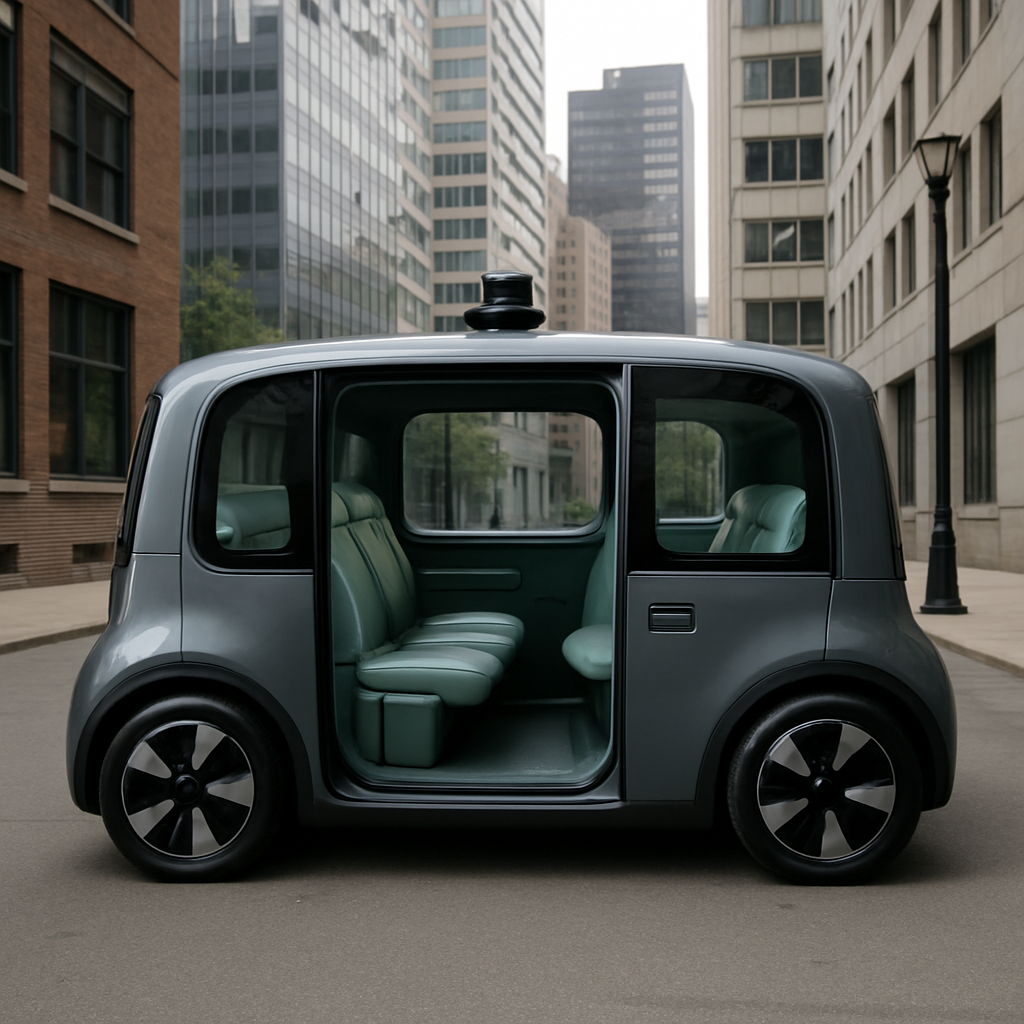
The robotaxi retains its distinctive cube-like design, devoid of traditional controls such as a steering wheel. It continues to feature a moonroof, ambient starry night lighting, and an array of 40 sensors—including cameras, radars, lidars, and infrared detectors—that provide a comprehensive 360-degree view of its surroundings. The vehicle’s bidirectional driving capability and four-wheel steering remain intact, allowing it to transport up to four passengers at speeds reaching 75 miles per hour.
Interior modifications focus on enhancing passenger comfort and usability. The seats and headrests now boast additional padding and ergonomic contours. A new color scheme introduces aloe green seating paired with stone grey flooring and trim, creating a serene atmosphere while offering a contrasting backdrop to help passengers easily locate personal items like smartphones. Practical adjustments include fluted charging pads to secure devices, enlarged cupholders, and more prominent touchscreens for improved accessibility.
Externally, Zoox has repositioned its bidirectional reflectors to enhance visibility. The addition of a new speaker and microphone system on the door interface, along with two-way audio capabilities, aims to facilitate better communication between passengers, other road users, Zoox Support, and first responders.
These design refinements are not merely aesthetic; they are strategic steps toward scaling production. In 2025, Zoox inaugurated a 220,000-square-foot manufacturing facility in Hayward, California, with the capacity to produce over 10,000 robotaxis annually. The recent updates are aligned with the company’s goal to ramp up production to 100 vehicles per week.
Despite these advancements, Zoox faces regulatory challenges before it can commence commercial operations. The company has applied for an exemption from the National Highway Traffic Safety Administration (NHTSA) due to its vehicles lacking standard controls mandated by federal law. The public comment period has concluded, and Zoox is currently awaiting the NHTSA’s decision.
As Zoox continues to refine its robotaxi and navigate regulatory pathways, the broader autonomous vehicle industry watches closely. The company’s progress could set a precedent for the integration of purpose-built autonomous vehicles into urban transportation networks, potentially reshaping how people perceive and utilize ride-hailing services.