YouTube is introducing a new AI-driven video editing feature that allows creators to make edits using plain language. Announced at the “Made On YouTube” event, this conversational editing tool works with both long-form uploads and Shorts, aiming to streamline what can often be an arduous editing process. Expected rolloutis early 2027 on YouTube Shorts and the YouTube Create app.
Talk to Edit: How It Works
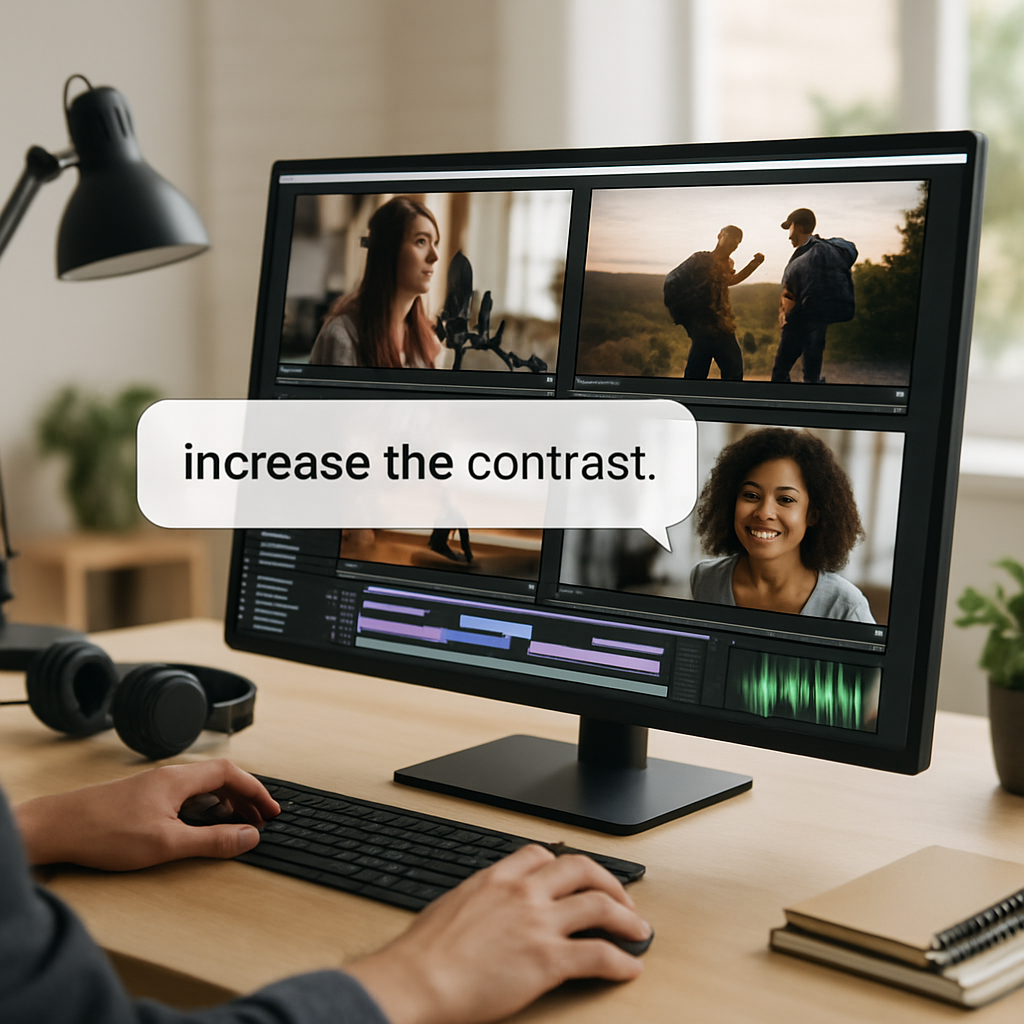
Inside a chat-style interface, creators can issue simple commands like choosing the best takes, inserting transitions, or weaving in music. In one demo, the creator shared footage of dancing in different outfits and asked the AI assistant to pick the best performance for each outfit, then add in appropriate transitions and soundtrack. If the creator wants more refined input, they can drop back into the traditional timeline editor at any time.
Core Features and Creator Flexibility
The tool supports a range of editing tasks — zeroing out silent pauses in speech, layering on text overlays, and making suggestions based on the ongoing conversation. Creators retain control: nothing is forced, and inputs fine-tune the output. It’s designed not to replace human style, but to assist with the repetitive, time-consuming parts of editing.
Editing video is often time-intensive — what starts as a one-hour shoot can balloon into hours of work in post-production. With this conversational tool, YouTube hopes to reduce that gap without stripping away creative control.
Available Platforms and Launch Timeline
The feature is slated to arrive in early 2027 on YouTube Shorts and the YouTube Create app. That means mobile creators should be among the first to benefit. Long-form content creators will also gain access, widening usage beyond short video formats.
YouTube’s conversational editing comes amid growing interest across platforms in simplifying content production using AI. As creators juggle posting frequency, engagement, and platform-native formats, tools that cut through editing friction are increasingly valuable.
In essence, this feature stands to shift video editing workflows. Whether it becomes a staple likely hinges on how well it balances automation with creative nuance. For creators, the promise is real: more efficiency and less of video editing drudgery — but preserving what makes each creator’s style unique will be the real benchmark.