XREAL is finally lifting the curtain on what its new Android XR headset, Aura, might cost. The company says the price will be “under $1,500 before tax”—still a fastball high for many—but early demand suggests there’s a market for this premium wearable. Meanwhile, the early bird reservation deal has sold out, though deposits are still being accepted.
What Aura Is & What It Brings to the Table
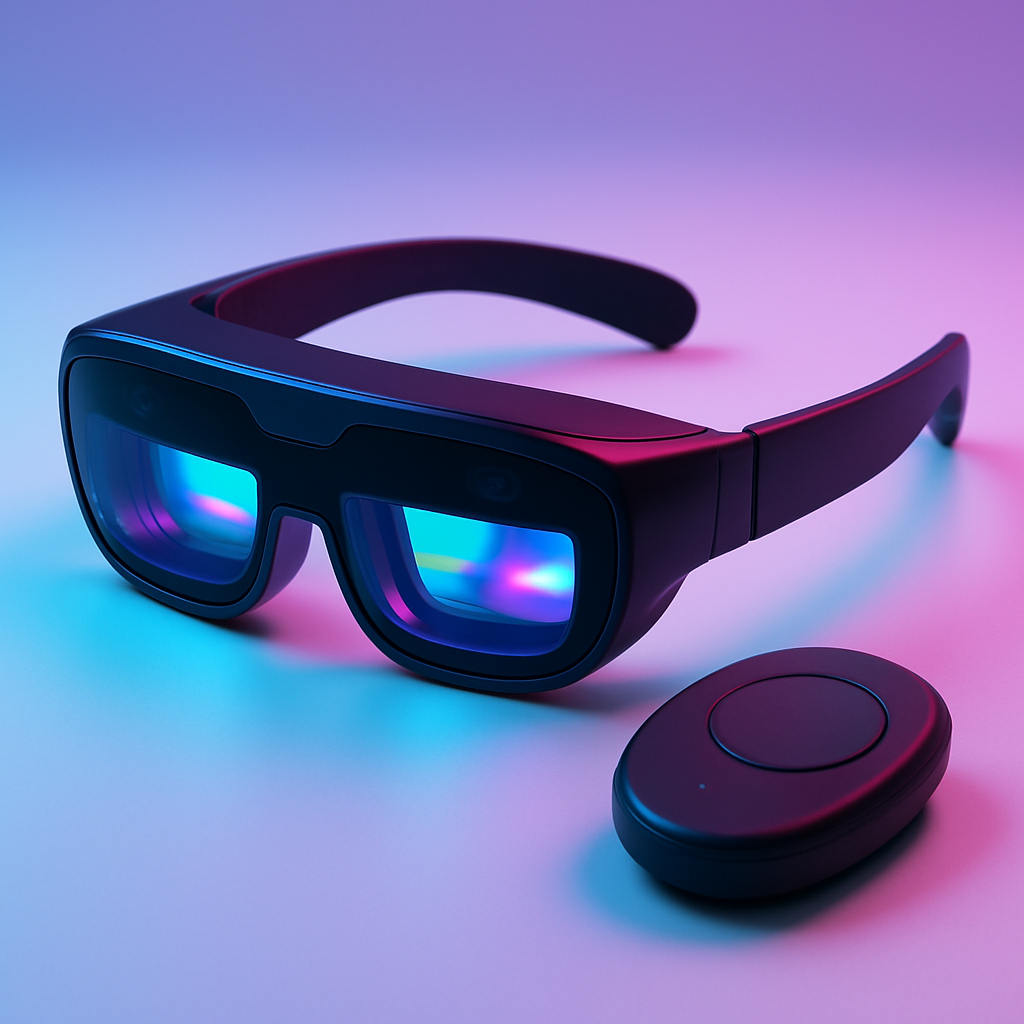
The Aura glasses are XREAL’s first full-blown Android XR-based wearable with built-in displays. This isn’t the slim optical overlay style some XR glasses will use; Aura aims to include everything on-board, with an external “control puck” handling the hardware that powers Android XR. It blends headset-level immersion with a sleek, glasses-style form factor—something many in mixed reality are trying to pull off. This hardware is expected to ship sometime this fall. (Note: This detail was previously shared alongside gaming and title announcements.)
Early Buzz and Pricing Details So Far
Since launching reservations in June, XREAL has recorded over 10,000 Aura reservations, a number the company highlights as a strong indicator of demand.1 That’s despite the early bird incentive—$99 deposits for a $199 credit toward the full order—already ending. Those who missed that still have the option to put down a $199 deposit via XREAL’s site.2
Pricing remains unfinalized. The company has consistently stated Aura will cost “under $1,500 before tax,” updating its site wording slightly but keeping that target intact. Originally, the claim was “will not exceed US$1,500, excluding applicable taxes”—functionally similar, though perhaps signaling a firmer upper limit.3
What This Means for the XR Landscape
The Aura’s features and pricing place it squarely in competition with higher-end MR/VR systems. It’s not cheap, but for users who want a more immersive, all-in-one AR/VR hybrid experience with Android at its core, Aura could fill a niche. The early reservations suggest there’s a segment of the market willing to pay for that earlier than some expected.
Yet for widespread adoption, the price needs to come down—or the value offered (apps, performance, comfort) needs to justify the cost. And with just one deposit deal currently available, customers will be watching closely for what features Aura delivers at that price point, as well as when it’ll ship to more buyers.
What to watch next: a confirmed sale price; final hardware specs; battery life; exchanges between Aura and existing AR/VR ecosystems. If XREAL delivers, this could push Android XR into a more serious contender role in mixed reality. But if the price stays too high without commensurate performance, Aura may remain a high-end curiosity rather than mass-market XR eye-wear.