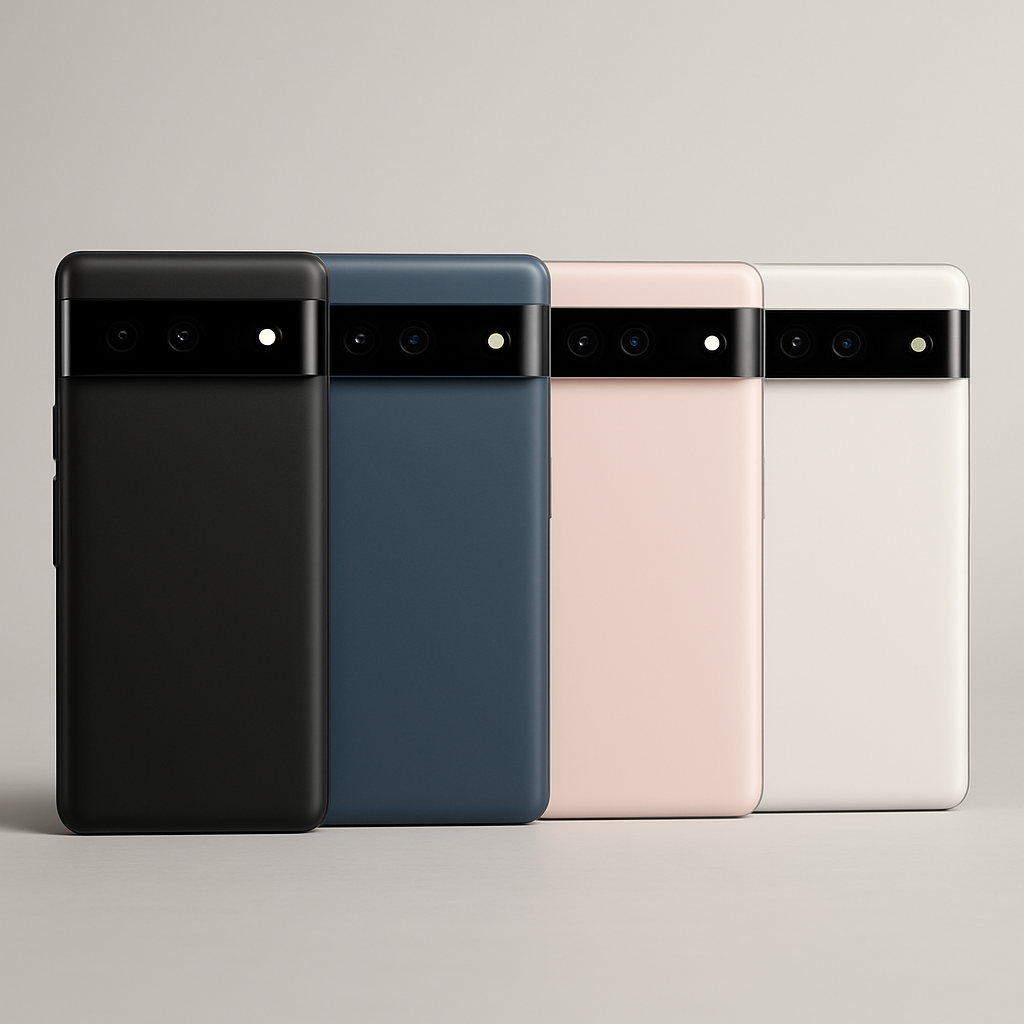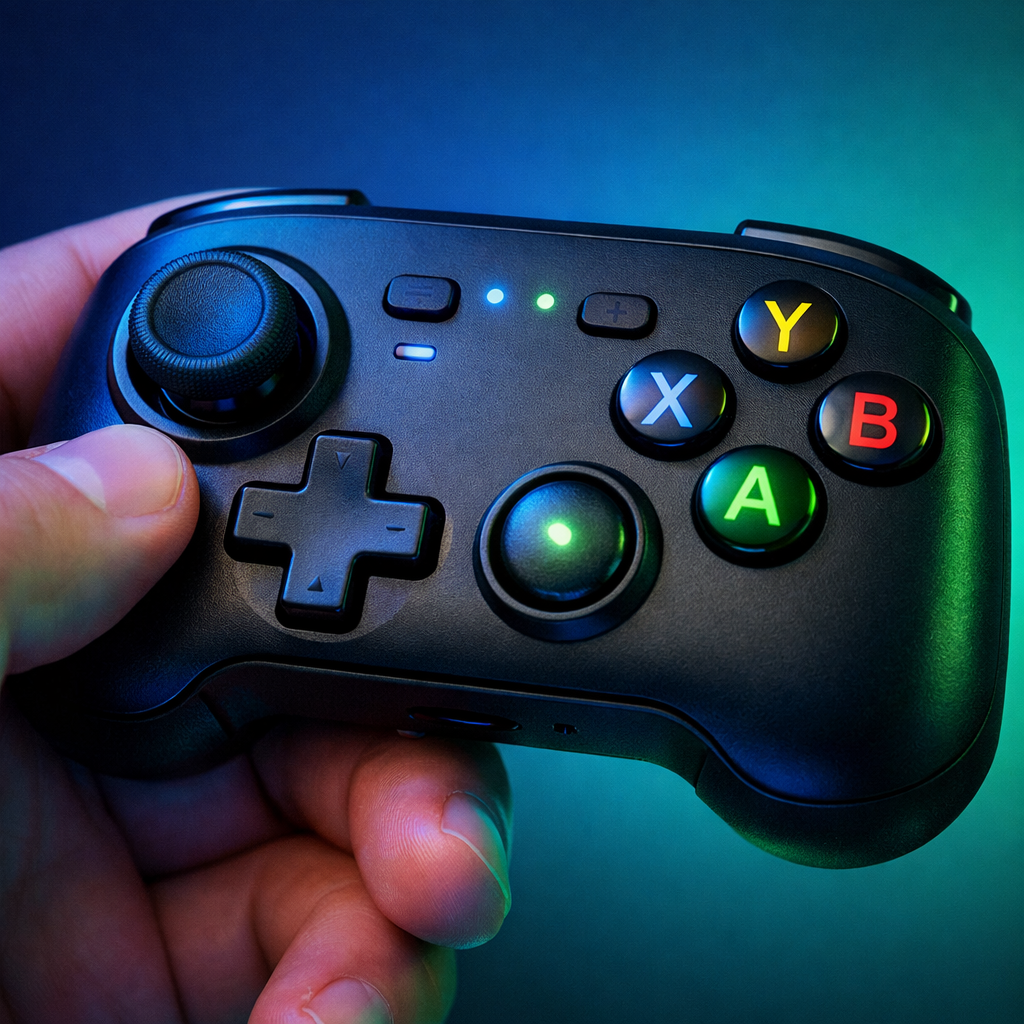
Microsoft’s newly released Xbox Nano Controller seeks to recapture a concept once embodied by Google’s Stadia Controller: a gaming controller that connects directly over Wi-Fi for cloud gaming. Retailing for US$50 and rolling out this week, the Nano is purpose-built for portability or gamers with smaller hands. It was officially introduced in mid-October.
What sets the Nano apart from most Xbox controllers is its “Cloud connect” feature. This mode lets the Nano link to Xbox Cloud Gaming via Wi-Fi instead of relying on the usual Bluetooth or USB setup. That makes it much closer in spirit to Stadia’s original vision of eliminating dependency on local processing for faster, lag-free gameplay.
Microsoft labels this feature a “preview,” meaning it’s still in development and may not be completely polished. It’s slated to arrive in future versions of the Xbox Elite Controller as well. The company warns users that functionality could change and that the experience may not yet work perfectly.
Why This Matters
Stadia shut down in early 2023, but its influence lives on in today’s controller design. While Google’s version pioneered direct cloud-mode connections via Wi-Fi, Xbox’s Nano appears to take the concept mainstream. Notably, Amazon’s Luna Controller also offered Wi-Fi cloud support, but Microsoft’s huge install base could give this feature far greater reach.
The move underscores cloud gaming’s growing relevance. As internet infrastructure improves, serving games over the net—whether via console, handheld device, or streaming platform—is increasingly viable. A controller that connects directly via Wi-Fi reduces latency and complexity, making cloud gaming more accessible.
If the preview phase goes well, expect Microsoft to extend Cloud connect to its higher-end Elite line, potentially shifting expectations for premium controllers in general.
For gamers, this means a more flexible and portable setup—no need to tether the controller to a console or rely on local hardware. For Microsoft, it’s a chance to lead in cloud gaming hardware once more.
|| WHAT TO WATCH || Future firmware updates, performance in live use, and whether this Wi-Fi mode becomes a dependable standard will decide if the Nano and its successor models reshape cloud gaming controller expectations.||