WordPress is rolling out a new automated security audit for plugin releases to prevent dangerous updates from slipping into user sites via the WordPress.org update API. The change addresses a critical gap—while new plugins already undergo manual review before entering the directory, updates traditionally have been pushed through continuously once a plugin is live.
The new policy stems from real-world alarm. On July 28, 2026, WordPress’ automated system identified a backdoor in a plugin with about 20,000 active installs. Fortunately, because the compromised version was released during a cooldown period, it never reached users through auto-update. The Plugins Team disabled downloads once security firm Wordfence flagged the issue—26 minutes after detection.
Since June 5, 2026, WordPress has enforced a cooldown period for all plugin and theme updates under its “Protect The Shire” initiative. This buffer—currently set at six hours, down from 24—gives security tools time to analyze new code before exposure. The newly announced feature ramps this up: updates are now automatically reviewed during the cooldown, and those deemed high-risk are blocked unless fixed by their authors.
How the Automated Review Works
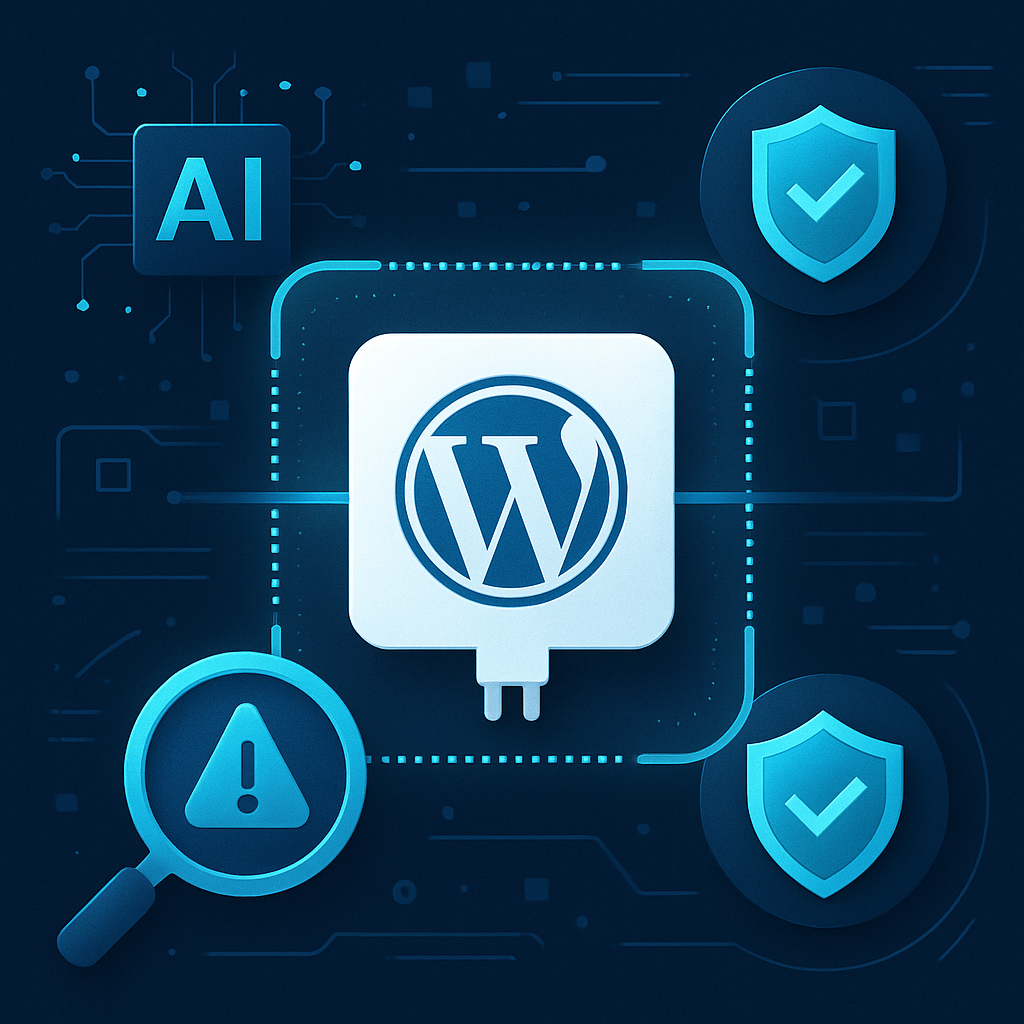
The automated review system runs AI models alongside Jetpack Scan to analyze every plugin or theme update during the cooldown window. A risk score is calculated based on vulnerabilities detected, with high scores triggering automatic blocks. Developers receive alerts via email only if their update is blocked, including detailed findings to help them remediate issues.
Importantly, the risk score doesn’t assume malicious intent—flaws introduced accidentally are also flagged. Certain code patterns are particularly risky: missing capability checks on endpoints, unprepared database queries, unsafe file handling, runtime code evaluation, obfuscation, and insecure functions like unserialize(). Plugin authors are encouraged to follow WordPress Coding Standards and use tools like PHP_CodeSniffer for improved code hygiene. WooCommerce extension developers get extra support via the Quality Insights Toolkit.
If a release is blocked, authors must address the reported issues and issue a new version. If this new version scores below the high-risk threshold, it proceeds through the same cooldown process. WordPress says appeals are possible but generally slower than simply fixing the issues and re-submitting.
This latest move reflects WordPress’ push to close loopholes that could let malicious or vulnerable code propagate widely. By automating security reviews and enforcing cooldowns, the platform aims to keep safer ecosystems without slowing down innovation.
Why This Matters
Plugins are a cornerstone of WordPress’ flexibility—enabling everything from e-commerce to custom design—but also a major vector for malware, supply chain attacks, and data breaches. A single compromised plugin can infect thousands of sites if not caught early. By introducing automated reviews, WordPress raises the bar on security, helping protect both site owners and the broader web ecosystem.
For plugin authors, this signals a shift toward more stringent standards. Practices like properly sanitizing inputs, enforcing endpoint permissions, avoiding dangerous functions, and maintaining clean, auditable code will matter more than ever. Authors who rely on frequent updates will need to build with security in mind to avoid reworks or blocked distribution.
Going forward, success hinges on transparency and precision from WordPress’ scoring system. Overblocking could frustrate developers, underblocking could leave vulnerabilities exposed. Striking the right balance will be essential—and WordPress’ ability to adapt and refine this system will determine whether it becomes a model for responsible platform governance.
Ultimately, this development highlights how content management systems are evolving: speed and flexibility must now walk hand in hand with security and accountability. And as attacks grow more sophisticated, automated defenses like these are no longer optional—they’re essential.